
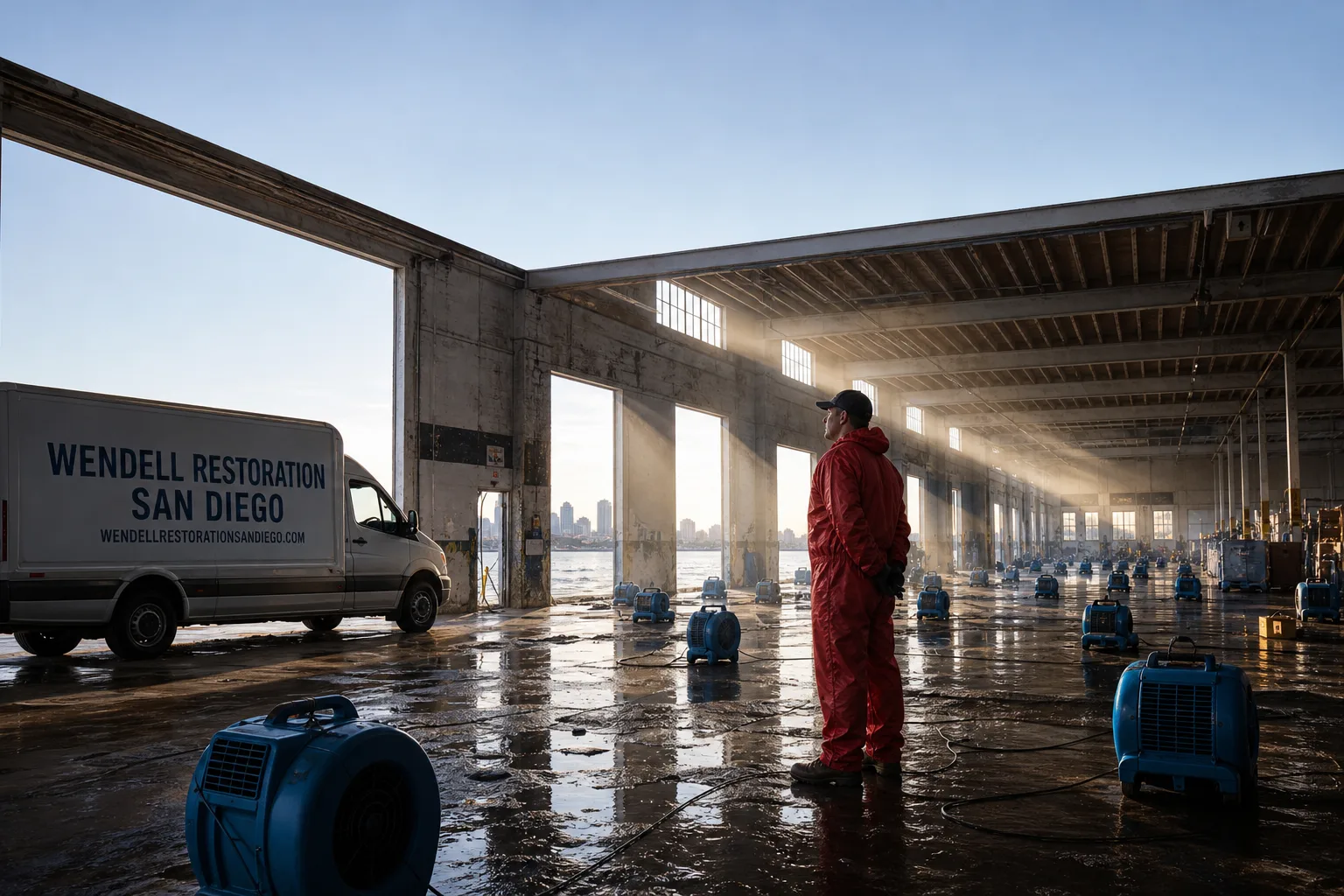
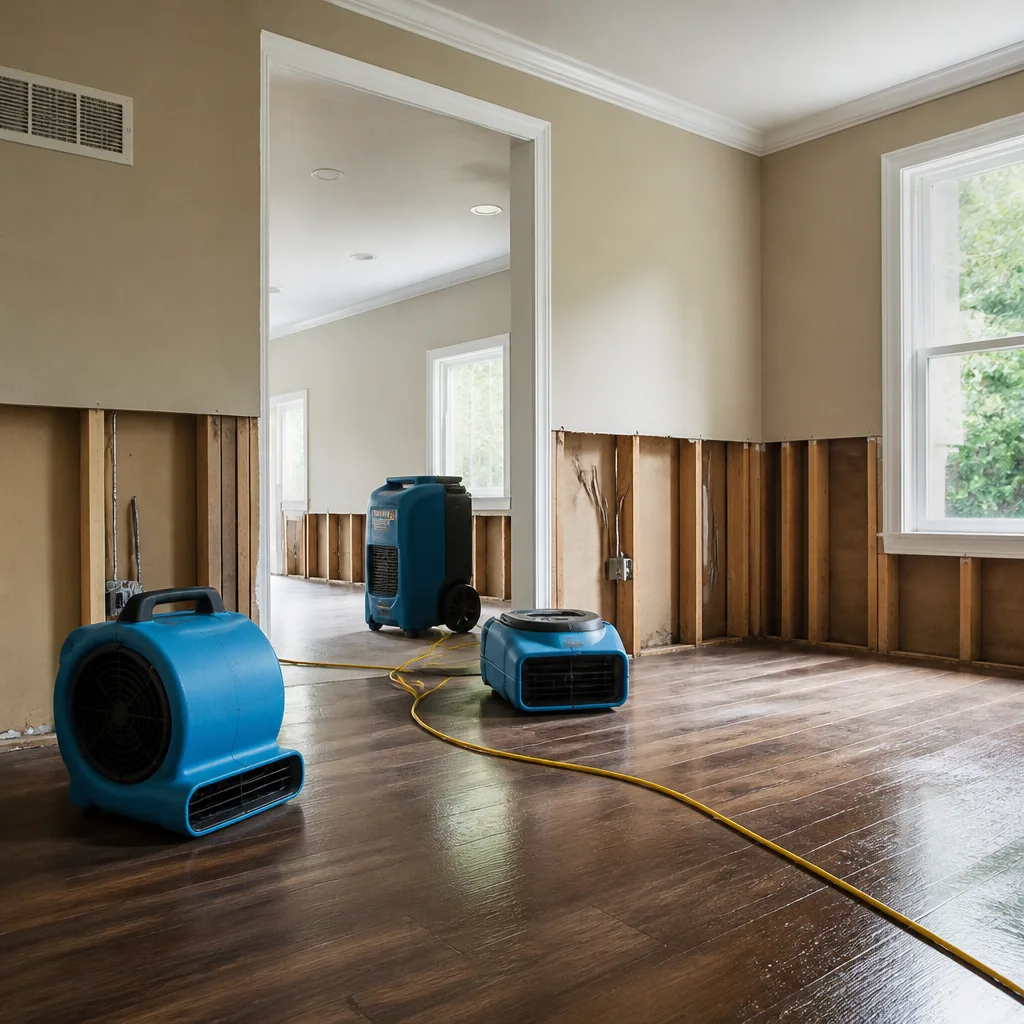
 Water damage drying
 Fire & smoke cleanup
 Mold remediation
 Storm response
 Sewage cleanup
 Reconstruction
Free visual inspection and a written scope of work before any mitigation begins - photos, moisture readings, and drying logs go in your claim file
The scope we write is the scope we bill. Anything new gets shown to you, in writing, before we touch it.
Get your free estimateRestoration work we handle
See the difference
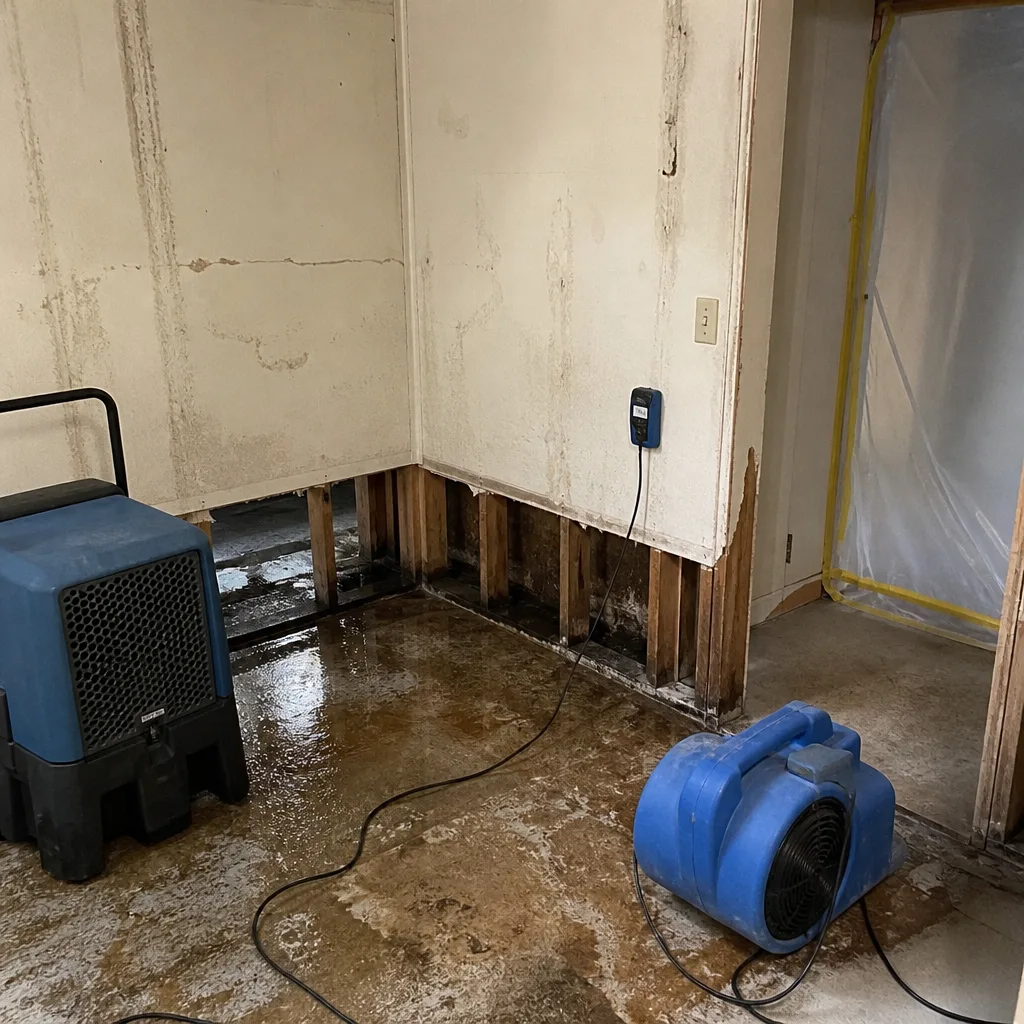 Before
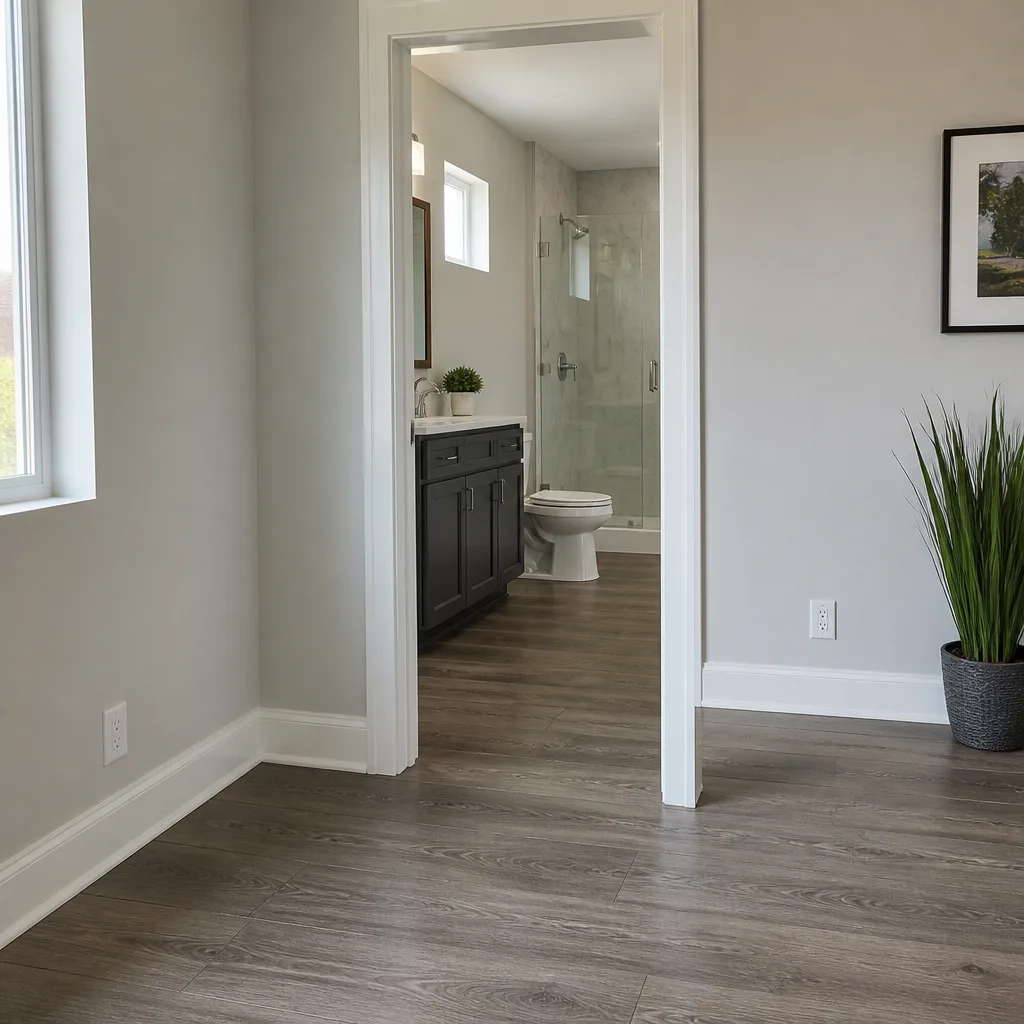 After
After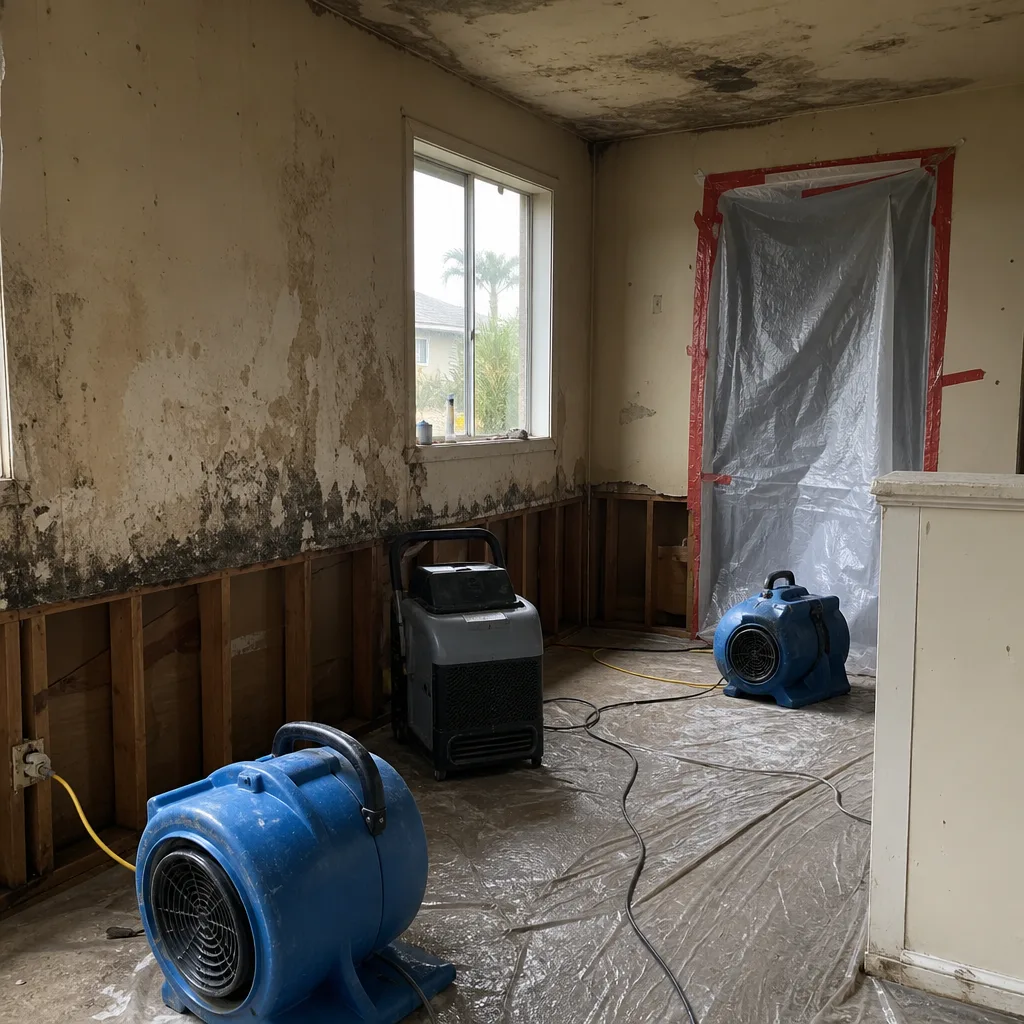 Before
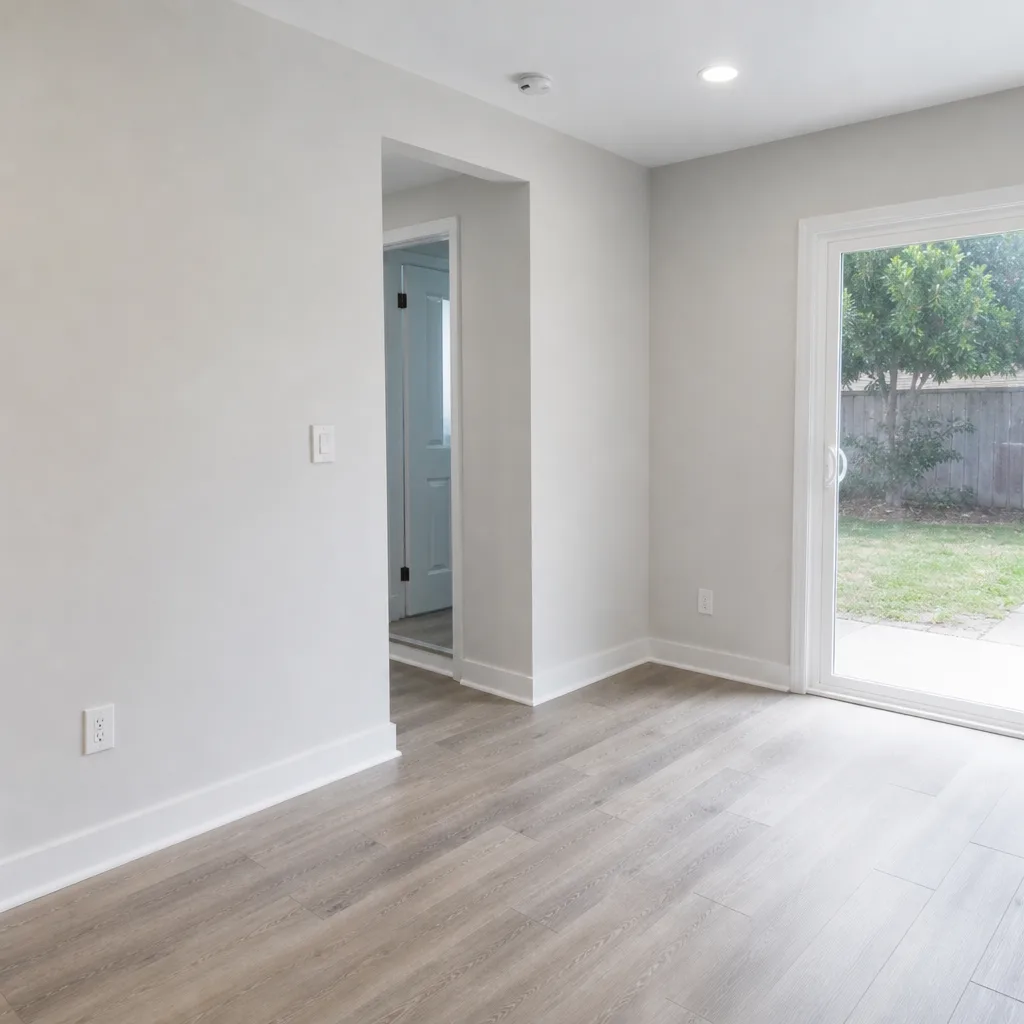 After
After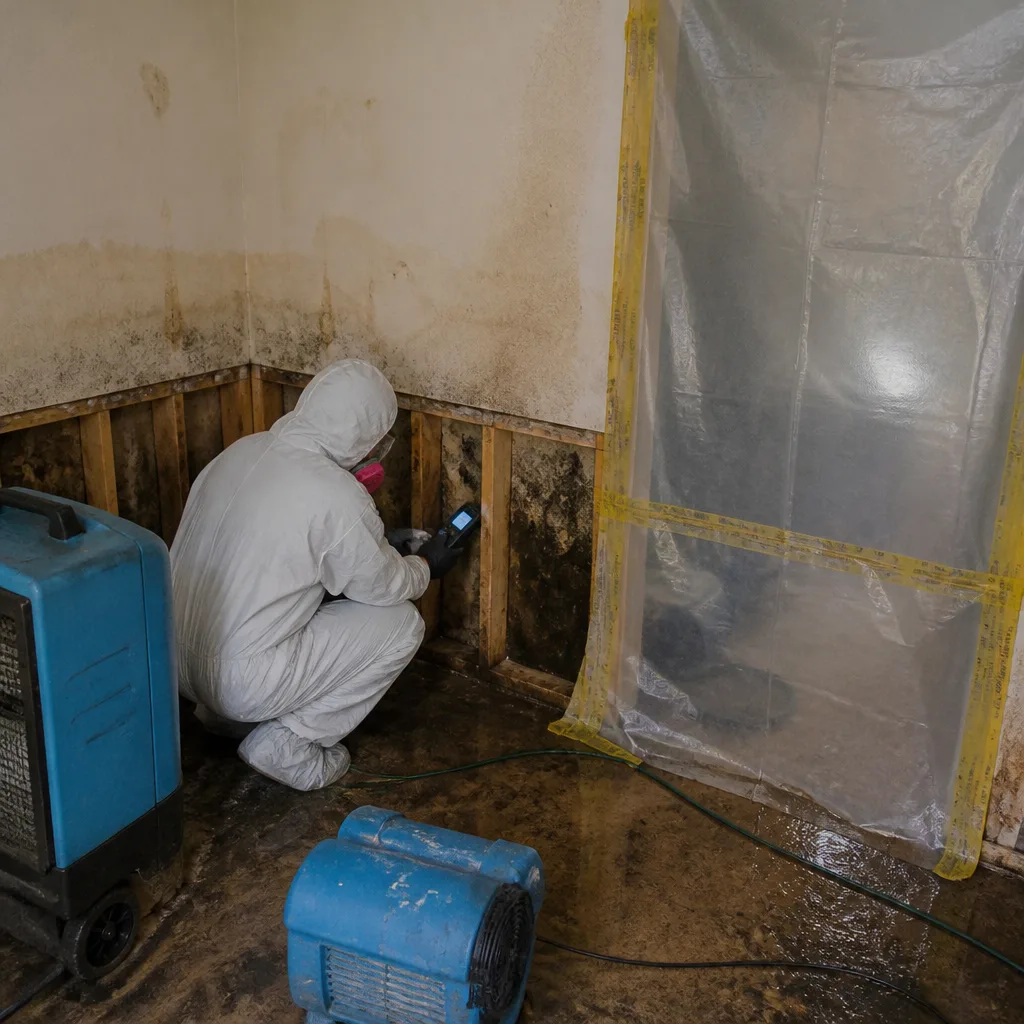 Before
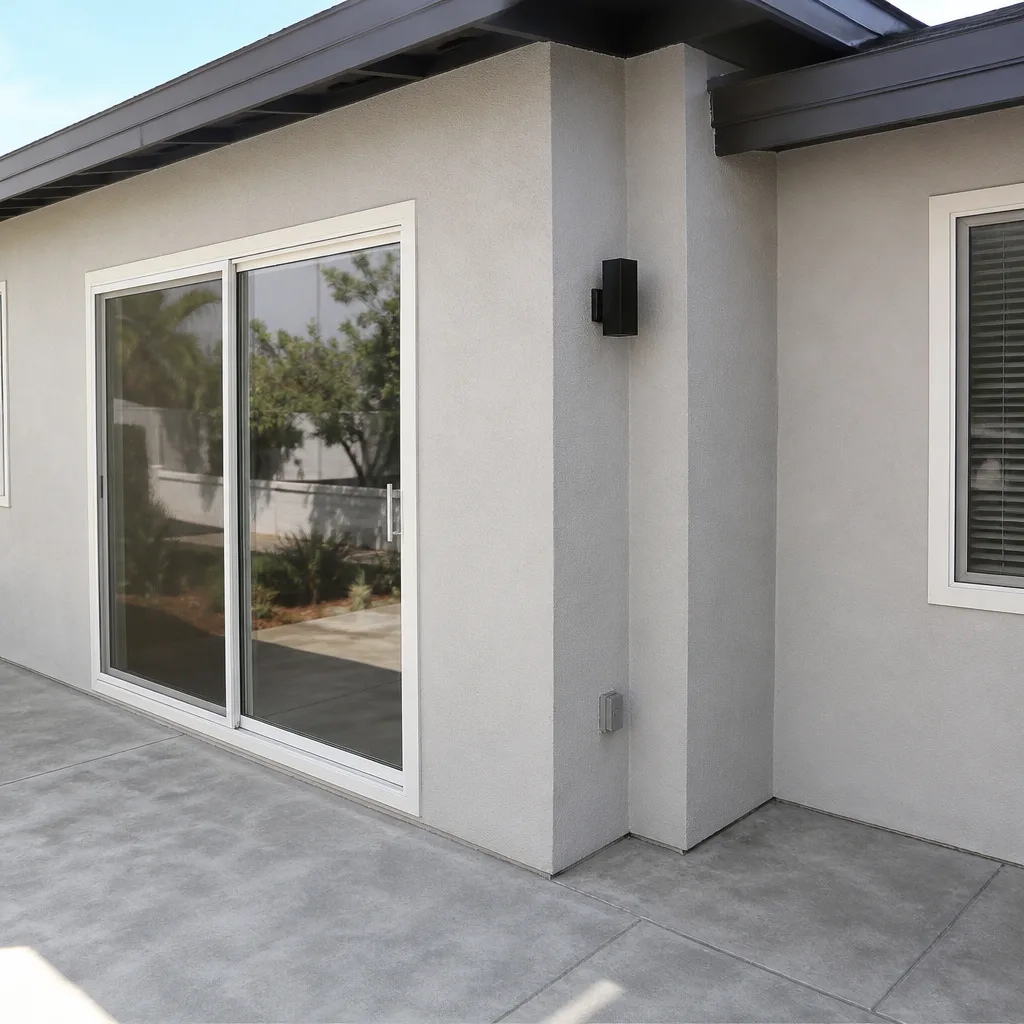 After
AfterHow Much Does Damage Restoration Cost in San Diego?
Damage restoration in San Diego typically costs between $1,500 and $12,000, with most homeowners paying around $3,500 to $6,000 for water damage cleanup, drying, and repairs. Mold remediation averages $2,200 to $7,000 depending on the square footage affected and whether the colony has spread behind walls. The final number depends on the damage category, how long water has been sitting, and whether structural materials like drywall and subfloor need replacement.
At Wendell Restoration San Diego, the price goes in writing before any work starts. You’ll know the number before we unpack a single fan. Call (858) 988-6639 and a live person will walk you through what to expect, then schedule a technician with a trackable arrival time.
Damage Restoration Cost Breakdown (2026)
Here’s what San Diego homeowners are paying in 2026 for the most common types of damage restoration work. These ranges reflect the local market: labor rates across San Diego County, material costs from local suppliers, and the speed at which ocean-adjacent humidity demands faster drying protocols.
| Service | Typical Cost Range | What It Includes |
|---|---|---|
| Water extraction (Category 1, clean water) | $1,200 – $3,000 | Standing water removal, baseboard pull-back, initial moisture mapping, sanitization |
| Water extraction (Category 2, gray water) | $2,500 – $6,000 | Above plus antimicrobial treatment, carpet pad removal and disposal, deeper drywall cuts |
| Category 3 (black water) cleanup | $6,000 – $15,000+ | Full containment, sewage remediation, affected material tear-out, structural drying |
| Structural drying (standalone) | $800 – $2,500 | Commercial dehumidifiers, air movers, daily moisture monitoring, psychrometric tracking |
| Mold remediation | $2,200 – $7,000 | Containment, HEPA air scrubbing, affected drywall and insulation removal, antimicrobial treatment |
| Ceiling water damage repair | $500 – $2,000 | Drywall patch or replacement, texture matching, paint after drying is complete |
| Hardwood floor drying | $800 – $3,500 | Specialized mat systems (Injectidry), dehumidification, refinishing if cupping occurred |
| Full remodel after major flood | $10,000 – $30,000+ | Drywall replacement, flooring, cabinetry, painting, trim work |
Where does San Diego-specific pricing come from? A few local realities move the needle. Homes in Mission Valley and Clairemont built in the 1960s and 70s often have plaster walls instead of drywall, which changes tear-out labor costs. Coastal neighborhoods like Ocean Beach, Point Loma, and La Jolla deal with higher ambient humidity year-round, which means drying equipment runs longer to hit the IICRC dry standard, which is a target moisture content, not a timer. And many newer communities like Otay Ranch and Civita have slab foundations, so water travels differently than in older pier-and-beam homes in North Park or South Park.
Blake Sorensen, who leads Wendell Restoration San Diego, puts it this way: “We’d rather spend an extra day drying than rebuild a wall twice. The price you see is the price that gets the job done right the first time.”
What Affects Damage Restoration Pricing in San Diego
- Water category. Clean water from a supply line costs less to remediate than gray water from a washing machine or dishwasher, and far less than black water from sewage. Each category changes the containment and disposal requirements.
- How long the water has been sitting. A slab leak in Serra Mesa that went unnoticed for two weeks has already soaked into baseboards, drywall, and possibly subfloor. A burst pipe caught in the first hour might need only extraction and a few days of drying.
- Square footage of wet material. Water wicks upward through drywall and spreads horizontally under laminate and tile. A small kitchen leak might wet 40 square feet of wall; a second-floor bathroom overflow in University Heights can drip through ceilings and affect three rooms below.
- Permit requirements. Some San Diego water damage repairs that touch electrical, plumbing, or structural framing will need city permits from the City of San Diego Development Services Department. The cost of pulling permits gets added to your project quote, not buried in a surprise line item later.
- Mold presence. In San Diego’s coastal climate, mold can begin forming in 24 to 48 hours. If mold is already active, the price shifts from drying to remediation: containment barriers, negative air pressure, HEPA filtration, and removal of porous materials.
- Access to the affected area. Crawlspaces, attics, and tight mechanical closets add labor hours. Homes in older neighborhoods like Kensington and Talmadge often have raised foundations with limited crawlspace clearance, making underfloor drying more involved.
How Much Does Water Damage Restoration Cost in San Diego?
Water damage restoration in San Diego runs between $1,500 and $6,000 for a typical single-room incident, with the average landing near $3,500. That includes extraction, drying, and basic repair. If the water ran for hours before discovery and soaked into multiple rooms, expect $8,000 to $15,000.
Here’s how the cost typically breaks down on a standard water damage call:
- Emergency extraction and setup: $400 to $900. This covers removing standing water, setting up containment if needed, and placing the first round of drying equipment.
- Daily drying and monitoring: $150 to $300 per day. A technician returns every day to check moisture readings, reposition equipment, and document progress. Most San Diego homes need 3 to 5 days of drying. Homes near the coast in Mission Beach or Pacific Beach often need an extra day or two because the ocean air keeps pulling moisture back in.
- Repairs after drying: $800 to $4,000. This is where drywall gets patched, baseboards get reinstalled, and paint goes up. The range depends on how much material was removed.
We use psychrometric drying, which means tracking the air’s moisture level so we know when your home is truly dry, not just surface-dry. The equipment matters, too. Our techs deploy Dri-Eaz dehumidifiers, Phoenix air movers, and Injectidry systems for hardwood floors. These are the same machines used on large commercial loss sites, and they dry faster and more thoroughly than rental units from a hardware store.
If you’re standing in water right now, call us before you read another sentence. A live person answers (858) 988-6639 at 3 a.m. the same way they do at 3 p.m.
How Much Does Mold Remediation Cost in San Diego?
Mold remediation in San Diego averages $2,200 to $7,000 for a typical affected area, like a bathroom wall or a section of ceiling. Small jobs under 10 square feet might come in around $1,500. Whole-home remediation with HVAC cleaning and multiple rooms affected can reach $15,000 to $25,000.
San Diego’s climate makes mold a persistent issue. The marine layer that rolls into coastal neighborhoods like Del Mar, Solana Beach, and Imperial Beach adds humidity that mold thrives on. Even inland areas like Santee and El Cajon deal with mold during the warm, humid months of late summer and early fall.
The cost of mold remediation covers these steps:
- Assessment and moisture source identification: We find where the water is coming from and stop it. Removing mold without fixing the moisture source means the mold returns in weeks.
- Containment: Affected areas get sealed with plastic sheeting and negative air pressure so mold spores don’t spread to other rooms.
- Removal: Porous materials like drywall, insulation, and carpet that are mold-saturated get removed and bagged for disposal.
- Cleaning and treatment: Remaining surfaces get scrubbed, HEPA-vacuumed, and treated with an antimicrobial solution.
- Drying and verification: The area is dried to standard and re-tested to confirm mold spore counts have returned to normal.
Every mold job at Wendell includes post-remediation moisture readings and photo documentation sent to you by text. You’ll see the before and after with your own eyes.
How Much Does Fire Damage Restoration Cost in San Diego?
Most water damage calls are urgent, but mold calls often start with a musty smell you can’t quite place. If you smell something musty in your San Diego home, call us. The inspection is free, and you’ll get a straight answer about what we found and what fixing it costs.
What Affects Damage Restoration Pricing in San Diego
Understanding what drives cost helps you evaluate quotes and spot companies that are either padding the bill or cutting corners. Here’s what actually changes the number on your estimate:
- Water classification. The IICRC, the standard-setting body for restoration, classifies water into three categories. Category 1 (clean water from a supply line or rain) is cheapest to handle. Category 2 (gray water with soaps, food particles, or mild contaminants from a dishwasher or washing machine) requires antimicrobial treatment. Category 3 (black water from sewage, floodwater, or a long-standing toilet overflow) demands full containment, specialized PPE, and removal of all porous materials. Each step up adds cost.
- How long the water sat. A pipe that bursts at 2 a.m. and gets noticed at 7 a.m. is a much cheaper problem than a slow slab leak that ran for three weeks inside a wall cavity. Why? Water wicks upward into drywall at roughly one inch per hour, so time directly translates to how much material must be cut out and replaced.
- Affected square footage. Restoration is priced by the amount of wet or damaged material. A soaked 6-by-10 foot bathroom is a smaller line item than a second-floor bathroom flood that dripped through the ceiling into the living room below, which flows down into a crawlspace. That three-level path of water is common in multi-story North County homes.
- Access difficulty. Tight attics, low crawlspaces, and cramped mechanical closets slow technicians down. Older San Diego homes in neighborhoods like Normal Heights or Golden Hill often have crawlspaces with maybe 18 inches of clearance. That means more labor hours, which means a higher estimate.
- Mold caused by delay. In San Diego’s climate, mold can colonize a damp surface within 24 to 48 hours. If a leak sat over a weekend, we’re often dealing with both water damage and mold remediation, which adds antimicrobial treatment, containment, and air scrubbing to the bill.
- Material replacement costs in San Diego. Drywall, baseboard, and flooring prices are not uniform nationwide. San Diego sits at a higher cost index than most of the country because of freight distance from manufacturing hubs and local labor rates. That’s one reason online national averages often look lower than quotes from local restoration companies.
Is It Cheaper to Repair or Replace After Water Damage?
For most water damage scenarios, repairing specific affected areas costs less than replacing entire rooms or systems. But the honest answer depends on three factors: the water category, the material involved, and whether mold has set in.
Here’s the rule of thumb our estimators use in San Diego homes:
- Drywall: Cut out and replace the wet section rather than replacing the entire wall. A flooded 8-foot by 4-foot section of drywall costs about $250 to $450 to demo, replace, tape, texture, and paint in the San Diego market.
- Flooring: Vinyl plank or laminate that got soaked generally must be replaced because water gets underneath and warps the planks. Carpet and pad: pad always goes, carpet sometimes can be saved if the water was Category 1 and extraction happened fast.
- Cabinets: Solid wood cabinets can often be saved with professional drying and refinishing. Particle board cabinets, common in budget builds across San Diego track homes, swell and crumble when wet and almost always need replacement.
- Subfloor: Plywood subfloor that got soaked but is structurally sound can be dried in place. If it’s delaminating or spongy underfoot, replacement is the only safe option.
The fastest way to get an honest repair-versus-replace recommendation is to have a technician look at the actual material. Wendell sends a background-checked, uniformed technician with a written estimate so you can compare the repair and replacement numbers side by side. Call (858) 988-6639 to book.
How Long Does Damage Restoration Take in San Diego?
Most water damage restoration jobs in San Diego take 3 to 7 days from first response to final walkthrough. The drying phase itself usually runs 3 to 5 days. Repairs after drying add another 1 to 3 days, depending on what was removed. Mold remediation typically runs 2 to 5 days. Fire restoration projects vary widely, but a kitchen fire cleanup and rebuild commonly takes 2 to 6 weeks.
Timelines in San Diego have one local wrinkle: coastal humidity. Homes in Ocean Beach, Point Loma, Pacific Beach, and other neighborhoods within a mile of the water often need an extra day or two of drying because the outside air itself carries significant moisture. Replacing wet air with more wet air doesn’t dry anything, so our equipment runs longer and moisture readings are tracked daily until they hit the target.
We know a vague “we’ll be there sometime this week” is not acceptable. A live person answers (858) 988-6639, and you get a specific arrival time you can track, like a rideshare. The technician sends before-and-after photos by text so you can see the progress from your office or your couch. No phone tag, no mystery windows.
How to Save on Damage Restoration in San Diego
You can’t negotiate with standing water, but you can make choices that keep costs down without cutting corners on safety or quality. Here’s what actually moves the needle:
- Call immediately. Every hour water sits, it wicks further up drywall and deeper into flooring. A fast response can turn a $6,000 remediation into a $2,500 extraction and dry-out. Call the moment you see water. A live person answers (858) 988-6639 24/7.
- Stop the source if you can do so safely. Shut off the water at the fixture valve or the main shut-off. For anything involving electrical panels, gas lines, or high-voltage areas, wait for a professional. Your safety is not worth saving a few hundred dollars.
- Move furniture and belongings away from the wet area. The less we need to move, clean, or store, the lower the labor line item. But don’t haul heavy, water-logged furniture yourself. Wet particle board furniture can collapse mid-lift.
- Don’t rip out materials before a technician arrives. It’s tempting to start pulling up wet carpet or cutting drywall, but you risk cutting into wiring, spreading contaminated water, or destroying evidence the insurance adjuster needs. Let us document first.
- Get a written price before work starts. You deserve to compare. Our estimate includes every line item, and the number on the estimate is the number you’ll pay. No surprise upcharges after the drying equipment comes off the truck.
- Ask about insurance. Most San Diego homeowner’s policies cover sudden and accidental water damage. We’ll walk you through what your adjuster needs so you’re not redoing paperwork at 11 p.m.
For a free, no-commitment estimate, call (858) 988-6639. You’ll talk to a person, not an answering service, and you’ll have a number before we touch a single tool.
San Diego-Specific Factors That Change Restoration Pricing
National price guides miss the local realities that actually drive San Diego restoration costs. These are the factors our estimators see week after week from La Jolla to Chula Vista:
Coastal Humidity
Neighborhoods within a mile of the Pacific, including Ocean Beach, Pacific Beach, Mission Beach, Coronado, and Imperial Beach, deal with ambient humidity that routinely sits above 70%. Drying equipment in these homes runs longer than in inland communities like Poway or Ramona, where the air is drier. A 3-day dry-out in Kensington might be a 5-day dry-out in Point Loma. That difference shows up in equipment rental hours and daily monitoring visits.
Hard Water and Supply Line Wear
San Diego’s municipal water ranks on the harder end of the scale, which means mineral buildup inside supply lines. Hard water accelerates pinhole leaks in copper piping, especially in homes built in the 1980s and 1990s across Mira Mesa, Scripps Ranch, and Rancho Peñasquitos. We routinely see pinhole leaks behind walls that ran for weeks before anyone noticed bubbling paint or a musty smell.
Older Housing Stock Near Downtown
Homes in North Park, South Park, University Heights, Golden Hill, and Normal Heights were largely built before 1950. Many still have original cast-iron or galvanized plumbing. When those lines fail, the resulting water is often Category 2 or worse because of rust and sediment, which pushes the job into a more expensive classification.
Canyon and Slope Drainage
Properties on canyons or slopes in areas like Mission Hills, Bay Park, and La Mesa face drainage challenges during the winter rain season. Poor lot grading sends runoff toward foundations, which leads to crawlspace flooding and mold. Remediation in these homes often includes drainage corrections, a line item rare in flat neighborhoods.
HOA and Multifamily Requirements
San Diego has a high concentration of condos and townhomes, especially in downtown, Mission Valley, and UTC. Water damage in a shared wall means working with HOA boards, following building rules about hours of work and equipment placement, and often carrying additional insurance certificates. That adds administrative time to the job.
Our Process and How We Price
Here’s exactly what happens when you call Wendell Restoration San Diego. Every step is built around the same promise: you’ll know the price before we start, and you’ll know who’s coming to your door.
- You call, a person answers. 24/7, no phone tree. A live person at (858) 988-6639 asks about the damage, walks you through immediate safety steps, and books a technician.
- We show up when we say we will. You get a live arrival time you can track on your phone, not a four-hour window. The technician is background-checked, uniformed, and will send a photo of themselves so you know exactly who is at your door.
- Inspection and moisture mapping. The tech uses moisture meters and thermal imaging to trace how far water has traveled, including inside walls and under flooring, not just visible surface water. This is the psychrometric approach: we measure, we don’t guess.
- Written estimate before any work starts. You get a line-item price in writing. No verbal ballpark that becomes a bigger number later. The estimate is editable only with your signature.
- Extraction, drying, and monitoring. We deploy professional equipment from Dri-Eaz, Phoenix, XPOWER, B-Air, and Injectidry. Daily moisture readings track progress until the structure hits IICRC dry standard, which means the materials are dry enough to rebuild safely.
- Repairs and reconstruction. Drywall, baseboards, flooring, paint. We handle the full scope so you don’t have to coordinate a separate contractor.
- Before-and-after photos by text. You don’t have to be home to see the job is done right. Documentation is sent directly to your phone.
- Digital invoice, paid from a link. The final invoice matches the written estimate. Tap to pay. Done.
- 365-Day Done Right Promise. If it’s not done right, we make it right. Every job includes this written guarantee, plus a free second visit if the repair fails within the coverage period.
This process is called The Relay Standard, and it’s the same standard applied across the Relay Home Co. family, which Wendell has been part of since 2006. Each location is independently owned and operated, but the transparency rules never change.
FAQs – Damage Restoration Cost
How much does water damage restoration cost per square foot in San Diego?
Water damage restoration in San Diego runs about $7 to $15 per square foot for extraction and drying, with an average of $10 per square foot. Repairs after drying add another $4 to $12 per square foot depending on what was removed. For an exact quote on your affected area, call (858) 988-6639. Estimates are free.
Does homeowners insurance cover water damage restoration in San Diego?
Most San Diego homeowners insurance policies cover sudden and accidental water damage, like a burst supply line or an overflowing washing machine. Gradual damage from a long-running leak is typically excluded. Flood damage from rain or storm surge is not covered by standard policies and requires separate flood insurance. We’ll document everything for your adjuster, including moisture mapping and photos. Call (858) 988-6639 if you need help navigating a claim.
How much does mold removal cost in San Diego?
Mold removal in San Diego averages $2,200 to $7,000 for a typical bathroom, closet, or ceiling section. Small areas under 10 square feet start around $1,500, while whole-home remediation can reach $15,000 to $25,000. The price depends on how far the mold has spread and whether it’s growing inside wall cavities. For a free inspection and a written price, call (858) 988-6639.
Can you come today for water damage in San Diego?
Yes. Wendell Restoration San Diego responds same-day to water damage calls throughout San Diego County, including North County, East County, and the coastal corridor. A live person answers (858) 988-6639 at any hour, and you’ll get a trackable arrival time, not a window. The faster we get there, the less the job costs.
Is it worth filing an insurance claim for small water damage?
If the total damage is under $1,500 to $2,000, paying out of pocket often makes more sense than filing a claim, because you’ll need to consider your deductible and the possibility of a rate increase. For anything above $3,000, filing a claim is usually the right move. We’ll give you a written estimate that makes the decision simple. Call (858) 988-6639 for a free, no-commitment number.
What does a free estimate include from Wendell Restoration?
The free estimate includes a full inspection, moisture mapping, a written line-item price, and a plain-English explanation of what’s wet, what needs to come out, and what the repair plan looks like. The number on the estimate is the number you’ll pay if you hire us. Call (858) 988-6639 or use our booking form on the home page to schedule.
Get a Written Price Before Any Work Starts
You don’t need to guess what damage restoration costs in San Diego. You need a real number from a company that puts it in writing before a single tool comes off the truck. That’s how Wendell works. It’s how we’ve worked since 2006.
Call (858) 988-6639 now. A live person answers, asks a few questions, and gets a technician heading your way. The estimate is free. The price is written. The arrival time is trackable. And the 365-Day Done Right Promise means if it’s not done right, we make it right.
Written by Blake Sorensen, Owner at Wendell Restoration San Diego, part of the Relay Home Co. family. Serving San Diego County since 2006.
Pricing reflects the San Diego market as of 2026. Wendell Restoration San Diego offers free estimates – call (858) 988-6639.
What Our Customers Say
"Insurance paperwork was easy since everything was in one portal."
- Manny R."Water damage repair to the baseboards and drywall was clean."
- Ted H."Burst pipe at night. Booked a crew by phone and got a text with the lead's name and a live ETA. They set up fans, ran moisture readings, and sent daily photos to my phone."
- Lisa G.