
Last updated October 16, 2026
 Water damage drying
 Fire & smoke cleanup
 Mold remediation
 Storm response
 Sewage cleanup
 Reconstruction
Free visual inspection and a written scope of work before any mitigation begins - photos, moisture readings, and drying logs go in your claim file
The scope we write is the scope we bill. Anything new gets shown to you, in writing, before we touch it.
Get your free estimateDamage Restoration Warning Signs: A San Diego Homeowner’s Reference Guide
Here’s what surprises most San Diego homeowners: the dry climate works against you. We get roughly 10 to 12 inches of rain a year, so nobody expects water to be hiding inside their walls. But that aridity is precisely why damage goes unnoticed. A slow slab leak behind a stucco exterior can run for months, feeding mold inside a wall cavity, while the surface looks bone-dry and perfectly normal. Slab construction means water travels invisibly under your flooring. Stucco hides moisture behind a cement shell that never shows a water stain the way drywall does. This guide will teach you to read the signs San Diego homes actually show, long before a musty smell becomes a gut renovation, and our more guides & resources can help you stay ahead of bigger problems.
Restoration work we handle
Quick Answer
The earliest water damage warning signs in a San Diego home are typically invisible: an unexplained 15 to 20 percent spike on your water bill, a warm spot on a concrete floor, a cabinet base that swells shut in summer, or a faint earthy odor that fades when windows are open. Visible signs like staining, peeling paint, or warped flooring usually mean moisture has been active for weeks or months already. The moment you notice a persistent musty smell, a soft spot in flooring, or baseboard separation, you should treat it as an active moisture intrusion, not a cosmetic issue. In single-story slab homes, these signs almost always trace back to a supply-line leak, a failed water heater, or a shower pan failure beneath the tile.
Table of Contents
- The Five Sensory Warning Signs Specific to San Diego Construction
- Efflorescence on Concrete: Normal San Diego Dust or Active Slab Leak?
- Your Water Bill Knows First: Reading Usage Spikes Before Walls Show Anything
- Mold Growth Patterns in San Diego Coastal Homes: Where the Marine Layer Hides It
- Old Staining vs. Active Damage: How to Read What You’re Looking At
- Why San Diego’s Stucco-and-Slab Construction Conceals What Other Homes Reveal
- The Room-by-Room Inspection You Can Do in 20 Minutes
- Common Mistakes to Avoid
- When to Call a Professional
- Frequently Asked Questions
- The Bottom Line
The Five Sensory Warning Signs Specific to San Diego Construction
A musty smell that “goes away after you open the windows” is not going away. It’s the odor of active mold metabolizing moisture inside your wall cavity, and airing it out doesn’t stop the colony. That smell is the single most reliable early indicator in San Diego homes because our mild climate means you’re rarely running heat or AC hard enough to notice a humidity imbalance. The smell is your first alarm.
Here are the five senses to trust, in order of how early they typically appear:
- Smell: the earthy, musty odor that fades with ventilation. If you smell it in one room or hallway but not others, that’s a localized source. Trust the location, not the intensity. Mold behind drywall or inside a vanity often smells stronger in the morning before the house airs out.
- Touch: warm spots on concrete slab floors. A hot-water supply line leaking under a slab will warm a patch of floor. Walk your bare feet across any ground-floor concrete in the morning. A localized warm area that doesn’t correspond to a heating vent is a slab-leak red flag.
- Sight: baseboard separation or cupping at the floor’s edge. In slab homes, water wicks upward through the concrete and into the bottom plate of your walls. The first visual sign is usually a gap opening between baseboard and flooring, or laminate planks that lift at the seams near an exterior wall or bathroom.
- Sound: the faint hiss or running water when nothing is on. Turn off every fixture, appliance, and ice maker. Stand near your water heater closet or the wall where your main line enters. If you hear a faint hiss or running sound, water is moving somewhere it shouldn’t be.
- Taste or smell of water from the tap. If your water suddenly tastes metallic or earthy, or smells like dirt, a leak may be drawing soil contaminants into a cracked line. This is more common with older copper supply lines in San Diego homes built before 1980.
In our experience across San Diego, smell and touch are the two signals homeowners report most often, usually weeks before they see any staining. By the time paint is bubbling or drywall is soft, the moisture has been active long enough to support mold growth, not just dampness.
Efflorescence on Concrete: Normal San Diego Dust or Active Slab Leak?
Efflorescence is the white, powdery deposit left on concrete when water moves through it, dissolves minerals, and evaporates on the surface, leaving the minerals behind. San Diego homeowners see it on garage floors, patio slabs, and even interior concrete. Most of it is harmless. But it can also be the only visible trace of an active slab leak. Here’s how to tell the difference.
Normal efflorescence appears as a light, even, chalky dust over a broad area. It wipes away easily with a dry cloth. It forms when humidity condenses on cool concrete or when groundwater wicks up through an exterior slab during our occasional winter rains. It typically stays in garages, patios, and other exterior-adjacent concrete. It doesn’t come back quickly after you clean it.
Slab-leak efflorescence is different in three ways:
- Location: it appears in an interior living space, not a garage or patio. A white, crystalline line emerging along a baseboard, under a kitchen island, or around a floor vent is not normal.
- Pattern: it follows a specific path, often a straight line or circular patch, corresponding to the pipe layout beneath the slab. Normal efflorescence is diffuse. Leak-driven efflorescence is directional.
- Persistence: you clean it, it returns within days. That means water is still actively moving through the concrete.
- Compare month-over-month usage, not cost. San Diego water rates fluctuate with tiered pricing, so your dollar total can rise even if usage stays flat. Look at usage in gallons or CCF (hundred cubic feet). A consistent 15 to 20 percent bump with no new irrigation, guests, or appliance installations is your red flag.
- Run the meter test. Turn off all water inside and outside the house, including ice makers and irrigation. Find your meter at the street. Record the reading. Wait 30 minutes. If the dial has moved, water is flowing somewhere. In slab homes, that somewhere is usually under the floor.
- Watch for the “phantom” pattern. If your usage spikes slightly every night between 2 and 4 a.m., that’s often a slow leak that only reaches detectable flow when a pressure regulator allows it. San Diego water pressure can fluctuate 15 to 20 psi overnight, which changes leak rates.
- Isolate by area. If you have a manifold plumbing system (common in homes built after 1995), shut off zones one at a time and recheck the meter. The zone that stops the meter’s movement is the one with the leak.
- Bathroom ceilings above showers. Surface mold you can wipe away is nuisance-level. But if the same spot returns within two weeks, the moisture has penetrated the paint layer and is feeding mold inside the drywall. Coastal bathrooms with weak exhaust fans are the single most common mold remediation call in San Diego.
- Under-sink cabinets, especially along exterior walls. The cabinet back against an exterior wall stays cooler than the room. Warm, moist coastal air condenses on that surface. The result is a fine, dark speckling on the cabinet back and underside of the counter, often mistaken for dirt. If the speckling wipes gray or green, it’s mold.
- Attic spaces with insufficient ventilation. Coastal attics trap moist air that condenses on roof sheathing at night. Look for dark staining or fuzzy white growth on the underside of the roof deck. Attic mold spreads along rafters and can go unnoticed for years because homeowners rarely open the hatch.
- Staining that darkens in humidity. Active moisture wicks through drywall and changes color with the weather. In San Diego’s relatively stable humidity, any stain that visibly changes week to week is active.
- A temperature difference. Wet drywall feels cooler than the surrounding wall because evaporation draws heat. Place your palm flat on the stain and then on a clean section of the same wall. If the stain is noticeably cooler, water is evaporating from inside.
- Softness or give. Active moisture breaks down the gypsum core and paper facing. Press gently with a thumb. Any give, dimple, or crustiness means the material is compromised.
- New cracking or peeling along the stain’s edge. As water migrates, the drywall expands and contracts, cracking paint along the boundary of the affected area.
- Kitchen: open every under-sink cabinet. Feel the cabinet floor with your palm, especially toward the back. Look for swelling, discoloration, or a cabinet bottom that’s delaminating. Check the dishwasher kick plate for rust or mineral deposits. Run your hand along the baseboard behind the refrigerator.
- Both bathrooms: check for soft or discolored drywall around the tub and shower surround, particularly at the corners where tile meets tub. Look at the ceiling below any second-floor bathroom for yellow rings. Feel the toilet base for any movement; a rocking toilet means a failing wax seal, which leaks small amounts of water into the subfloor with every flush.
- Water heater location: most San Diego water heaters sit in a garage closet or an exterior utility closet. Look for rust at the tank’s base, mineral deposits on the valve, and water staining on the platform or floor beneath. A 10 to 15-year-old water heater is on borrowed time. We follow IICRC and RIA standards for every water heater failure response, which means measuring the water migration path, not just sucking up the visible puddle.
- Exterior walls, interior side: run your palm along baseboards where they meet exterior walls. Feel for coolness, softness, or separation. In stucco homes, the first interior sign of a stucco crack letting in water is usually a damp baseboard after a rainstorm.
- Garage ceiling and walls: garages often share walls with living space. Look for efflorescence on the concrete block stem wall, water rings on drywall, and staining around the garage door jamb where wind-driven rain can enter.
- Attic hatch: open it and look at the underside of the sheathing with a flashlight. Dark streaking, white fuzzy growth, or condensation on nails are all signs that roof or ventilation moisture is active. In coastal San Diego, this is where attic mold starts.
- Painting over a stain without finding the source. Paint seals moisture inside the wall cavity. Within weeks or months the stain returns, bigger and darker, and now with mold behind the paint. A fresh coat of latex is not a repair.
- Assuming a slab leak is “just a plumbing issue.” The plumber fixes the pipe, but the water that already migrated through the concrete is now trapped under your flooring and wicking into wall cavities. Without drying the structure, you fix the faucet and keep the flood.
- Treating mold with bleach and calling it done. Bleach kills surface mold but doesn’t penetrate porous materials. The roots remain alive inside drywall, wood, and grout. Within weeks, the colony is back. Proper mold remediation involves containment, HEPA filtration, and antimicrobial treatment, not a spray bottle.
- Relying on a visual inspection alone. By the time water damage is visible in a San Diego stucco-and-slab home, it’s been active for weeks. A professional moisture assessment uses meters that read moisture content inside walls and under flooring, not just on the surface.
- Ignoring a recurring musty smell that “comes and goes.” An intermittent odor is an intermittent moisture source. It only seems intermittent because evaporation rates change with temperature and humidity. The mold colony is always there, feeding.
- Waiting for the next rain to see if a leak is real. That’s how a small stucco crack becomes a wall cavity full of mold. If you suspect a weather-driven leak, look at the wall during the first hour of the next rain, not after a week of dry weather. Better yet, have it checked before the rainy season.
The cold-water test: run cold water through any interior fixture for five minutes, then check the area of efflorescence. If the white deposit has spread, darkened, or grown, you have a supply-line leak. Cold water moving through a cracked slab line draws minerals from the surrounding soil, accelerating efflorescence at the surface. If the patch stays unchanged after running cold water, the efflorescence is more likely residual or humidity-driven.
San Diego’s clay-heavy soils expand and contract with moisture, which puts long-term stress on under-slab copper and older PEX lines. Homes in Clairemont, Mission Valley, and the College Area, where slab foundations are standard, see this more often than canyon homes on raised foundations.
Your Water Bill Knows First: Reading Usage Spikes Before Walls Show Anything
A 15 to 20 percent unexplained increase in water usage on a single-story San Diego home almost always indicates a slow, continuous leak, not a lifestyle change. Here’s the math. A dripping faucet wastes about 3 gallons a day. A running toilet can waste 200 gallons a day. But a pinhole leak in a slab supply line can lose 400 to 3,000 gallons a month, depending on pressure and hole size. That’s the difference between a $10 bill bump and a $75 bill bump.
Here’s how to read your San Diego water bill for early damage detection:
A slab leak won’t just raise your bill. It will eventually undermine your flooring, delaminate vinyl planks, warp engineered wood, and feed mold into your wall cavities. Every water damage repair in San Diego that starts as a “mysterious smell” usually began as a bill spike nobody read.
Mold Growth Patterns in San Diego Coastal Homes: Where the Marine Layer Hides It
San Diego coastal neighborhoods like La Jolla, Point Loma, Ocean Beach, Pacific Beach, and Encinitas sit under a marine layer for an average of 40 to 60 percent of early-morning hours between May and August. That means exterior humidity above 80 percent, condensing on cool interior surfaces, for weeks at a time. Coastal homes don’t need a leak to grow mold. They need humidity, still air, and an organic food source, all of which are present in specific spots.
The three places coastal mold grows first:
Inland San Diego neighborhoods like Santee, El Cajon, and Poway have lower ambient humidity but see a different pattern: mold concentrated around concrete slab edges, where cool slab surfaces condense moisture from daytime heat. Either way, the growth mechanism is the same. Moisture, plus still air, plus wood or drywall, plus time. If you spot recurring surface mold in any of these locations, call a mold remediation specialist in San Diego to assess whether the problem is surface-level or an active internal colony.
Old Staining vs. Active Damage: How to Read What You’re Looking At
If you’re buying a home in San Diego, or you just bought one, you’ll see water stains listed as “remediated” or “previous leak, repaired.” Sellers and agents are not lying, but previous repair does not guarantee current dryness. Here’s how to visually separate old, dead staining from active moisture intrusion.
Old, remediated staining is typically yellow-brown, with crisp edges that don’t grow. The surface feels the same temperature as the surrounding material. Paint over the stain may be slightly raised but is not soft. Most importantly, a moisture meter reads the same in the stained area as it does elsewhere in the room.
Active damage shows one or more of these:
Here’s the critical point for San Diego buyers and sellers: a stain that was “fixed” five years ago but never properly dried, because the leak was stopped but the wall cavity was not opened, may still hold dormant mold colonies. The visual stain can be painted over, but the colony remains viable and will reactivate with any new moisture. That’s why a moisture assessment with a professional meter matters more than the seller’s disclosure. If you’re uncertain, water damage restoration in San Diego always starts with measurement, not guesswork.
Why San Diego’s Stucco-and-Slab Construction Conceals What Other Homes Reveal
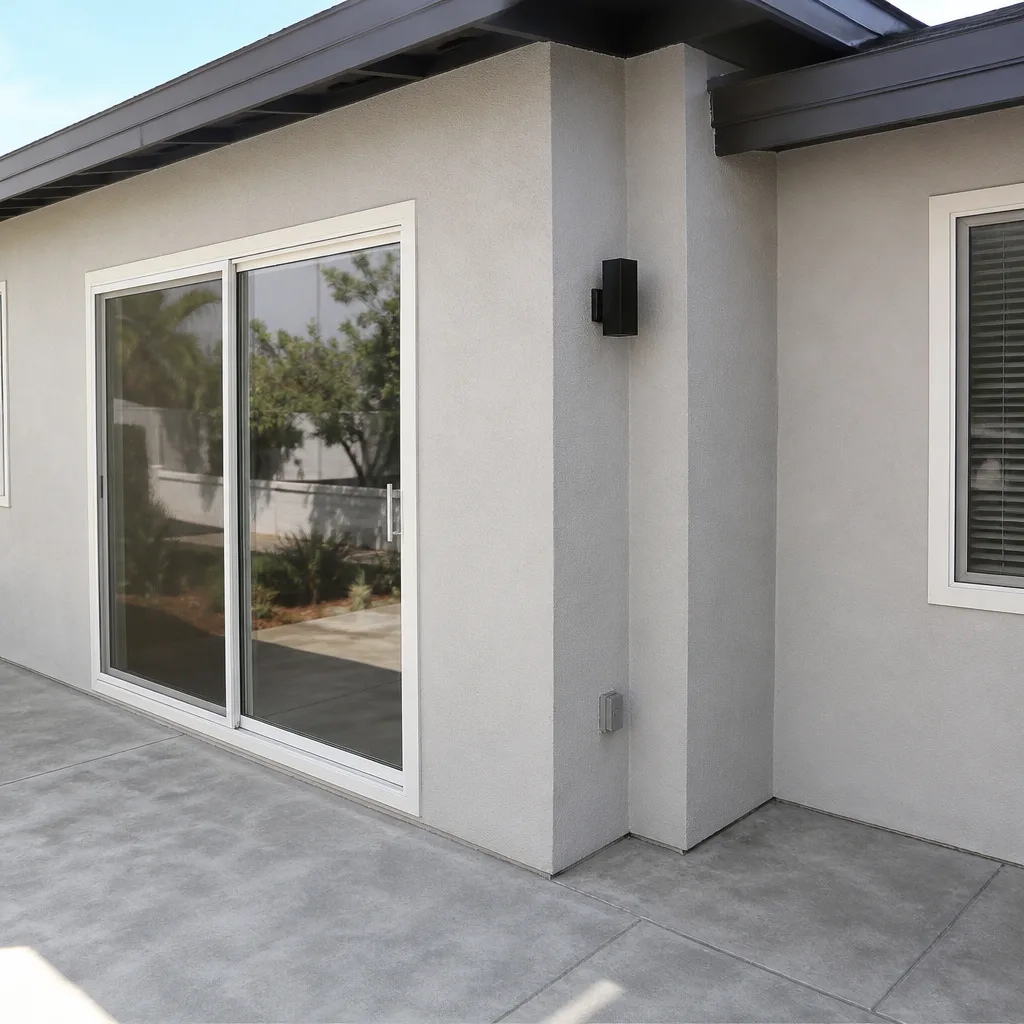
Most American homes are built with wood-framed walls sheathed in plywood or OSB, covered with siding or brick. When those homes get wet, the sheathing swells, the siding stains, and the problem announces itself. San Diego’s dominant construction type is different: wood frame, cement stucco exterior, concrete slab foundation. Both the exterior and the floor are effectively waterproof shells. That’s the problem.
The stucco effect. Stucco is a cementitious material that doesn’t stain or warp when wet. A slow leak inside a wall cavity can saturate the framing and insulation for months, while the stucco outside shows zero change. By the time you see clues, the structural wood has been wet long enough to support significant mold growth and even rot. We’ve opened walls in San Diego where the 2×4 studs crumbled to the touch while the stucco looked perfect from the street.
The slab effect. A raised foundation has a crawlspace. You can look under the house, see a puddle, see the joists, and diagnose the problem in five minutes. A slab foundation has no such access. A supply-line leak under the slab has no drainage path. The water migrates upward through the concrete, wicking into flooring, baseboards, and bottom plates. The only escape route is evaporation into your living space.
The combination effect. A stucco-and-slab San Diego home is essentially a sealed concrete bowl with wood framing inside. Water gets in, has nowhere to go, and is hidden by the very materials designed to protect the home. The result: damage that develops for 30 to 90 days before any visible warning, and by then, the Wendell Restoration San Diego home inspection calls we get are for full-scale remediation, not simple repairs.
The Room-by-Room Inspection You Can Do in 20 Minutes
You don’t need professional equipment to spot the first signs. You need ten minutes in the right rooms and a little knowledge of where San Diego homes hide water. Here’s the walkthrough we recommend every homeowner do twice a year, once in spring before the marine layer settles in and once in fall before the winter rains, as part of your Seasonal Damage Restoration Care for San Diego: Year-Round Homeowner’s Guide routine.
That’s twenty minutes. If you find one thing that feels damp, cool, or smells earthy, note its location and keep watching. If any of those findings persists or spreads over the next week, you’re past DIY vs Professional Damage Restoration: The San Diego Homeowner’s Decision Guide territory.
Common Mistakes to Avoid
When to Call a Professional
Call a professional the moment you confirm active water intrusion, meaning a warm spot on the slab, a bill spike with an unexplained meter movement, a visible stain that’s wet to the touch, or a musty smell that won’t resolve-our How to Hire a Damage Restoration Contractor in San Diego: A Step-by-Step Guide can help you choose wisely. Call sooner if you see standing water, if flooring is buckling, or if anyone in the home has respiratory issues, because mold sensitivity is real and worsens with exposure. If you’re unsure whether you have a problem, err toward the free assessment. Wendell Restoration San Diego offers free estimates in San Diego, including moisture assessments that tell you what’s wet, how far the water has traveled, and what it will take to dry it properly. Call (858) 988-6639 and a live person answers. You’ll get a written price before any work starts, and you’ll know exactly who is coming and when.
Frequently Asked Questions
Run the meter test: turn off all water, record the reading, wait 30 minutes. If the dial moved, you have a leak somewhere. Combine that with a warm spot on the floor, returning efflorescence in a specific interior location, or a hissing sound behind a wall, and a slab leak is likely. A professional leak detection can pinpoint the exact location before any floor is opened.
That’s the classic sign of temperature-dependent evaporation. During the cooler overnight hours, moisture inside a wall cavity condenses and releases the earthy odor of active mold. When the house warms and windows open, evaporation slows and the smell fades. The colony is always there. Airing out the room treats the symptom, not the source.
You can, but you shouldn’t. Paint seals the stain but not the moisture behind it. The leak continues, the drywall weakens, and mold grows between the paint and the gypsum. The stain will return, larger and darker. Find the moisture source first, dry the area, then repaint.
Mold spores can germinate within 24 to 48 hours in San Diego’s coastal climate, where ambient humidity stays high overnight. Inland, on dry days, the window is slightly longer, but the spores are already present. It’s not a question of “if” mold will grow after a leak, it’s “how much has grown by the time you find the leak.”
Most San Diego homeowners policies cover sudden and accidental water damage, like a burst pipe or water heater failure. They do not cover ongoing maintenance issues like a slow leak that’s been active for months. Mold coverage is typically a sublimit, often $5,000 to $10,000. We document every job with before-and-after photos and a written scope of work that helps you deal with your adjuster directly.
Water damage restoration is the response to the water event: extraction, structural drying, and returning the structure to a dry, stable state. Mold remediation is the removal of mold colonies that have already established, including containment, air filtration, and antimicrobial treatment. Often both are needed on the same job. We do both under IICRC and RIA standards, and our technicians use professional-grade Dri-Eaz and Phoenix drying equipment on every water loss. Call (858) 988-6639 and we’ll tell you which one you need after a proper assessment, not before.
The Bottom Line
San Diego homes hide water damage because stucco and slab construction give water a perfect hiding place. Your first warnings won’t be dramatic: a bill bump, a warm floor patch, a smell that fades by noon. Trust those signals. They appear weeks before any visible stain, and acting on them saves thousands of dollars and months of disruption. If you find one sign, investigate. If you find two, the problem is already established. Wendell Restoration San Diego has served San Diego since 2006 with the same promise on every job: a written price before any work starts, a live arrival time you can track, and a 365-Day Done Right Promise in writing. When you’re not sure what you’re looking at, call (858) 988-6639. We’ll tell you what’s going on, and we’ll give you the price before we touch a single tool.
Written by Blake Sorensen, Owner at Wendell Restoration San Diego, serving San Diego since 2006.
See the difference
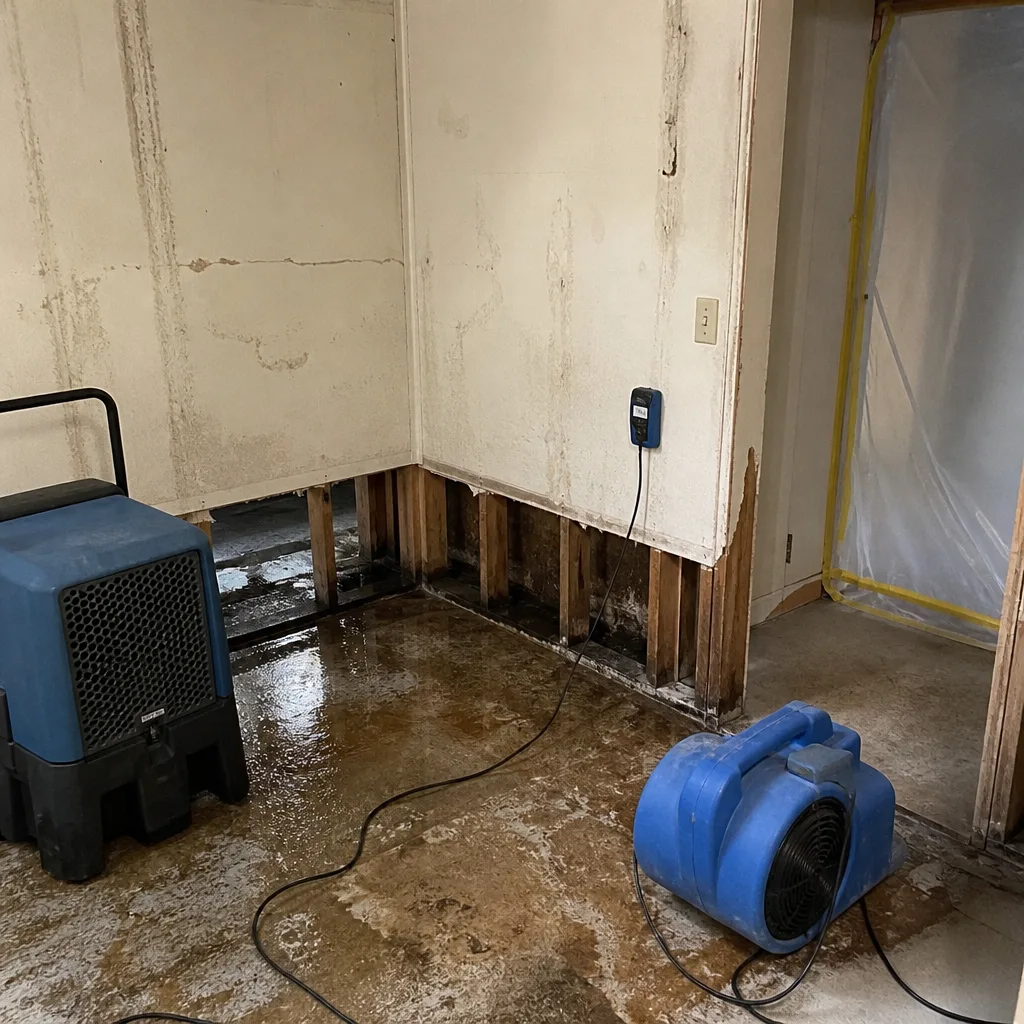 Before
 After
After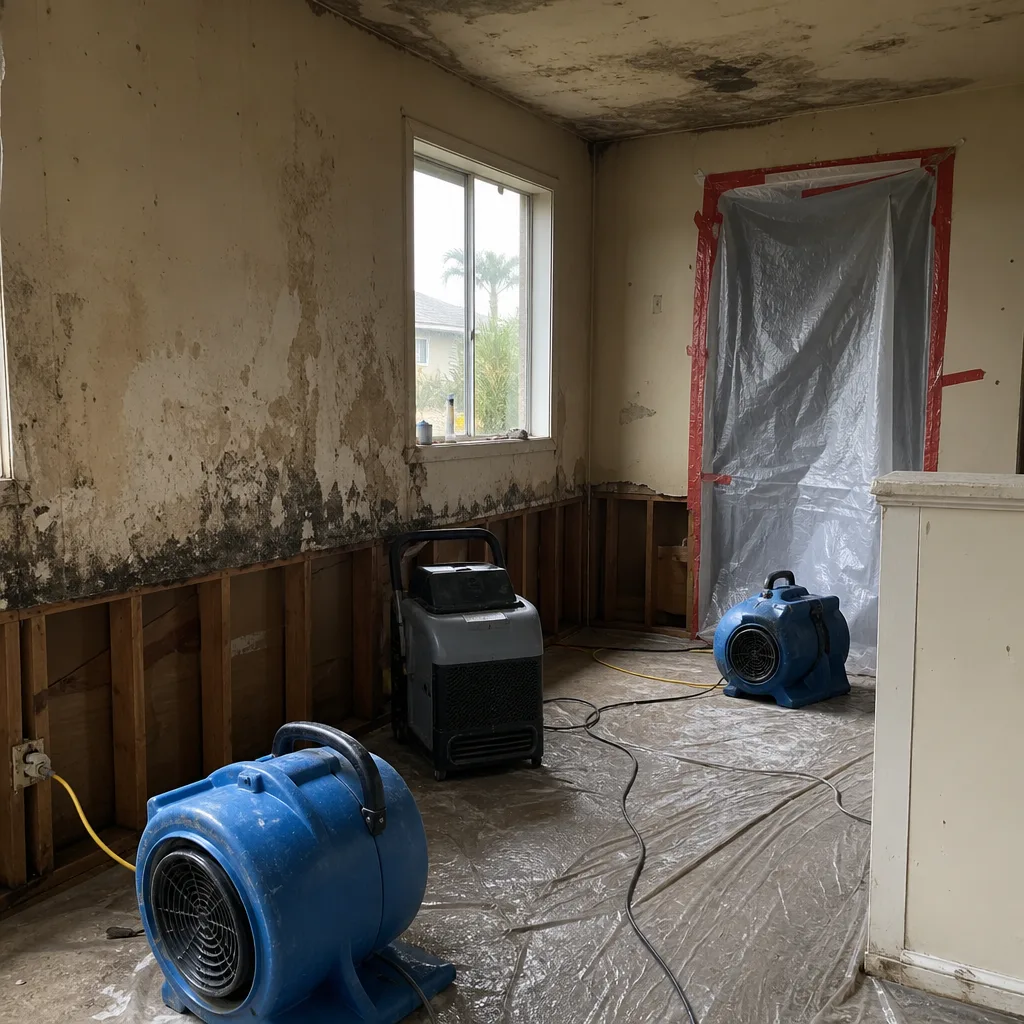 Before
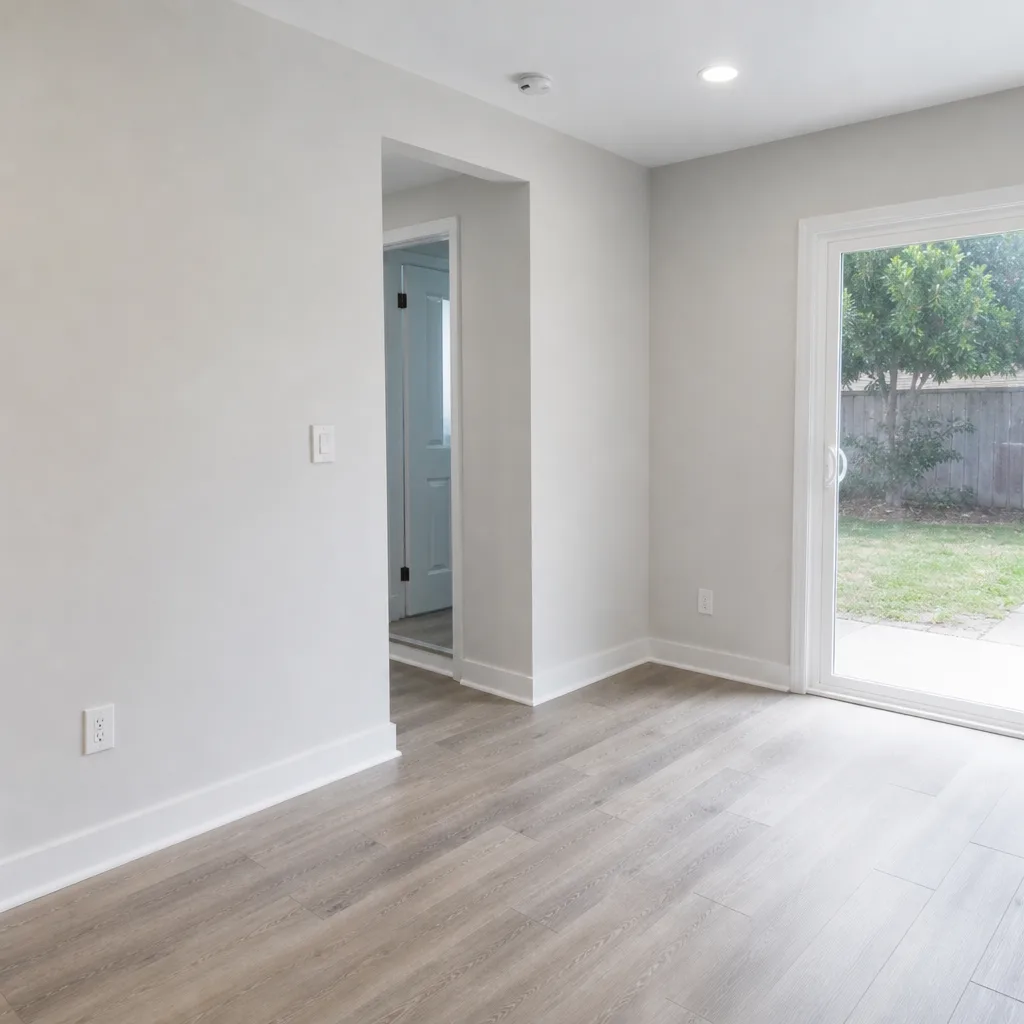 After
After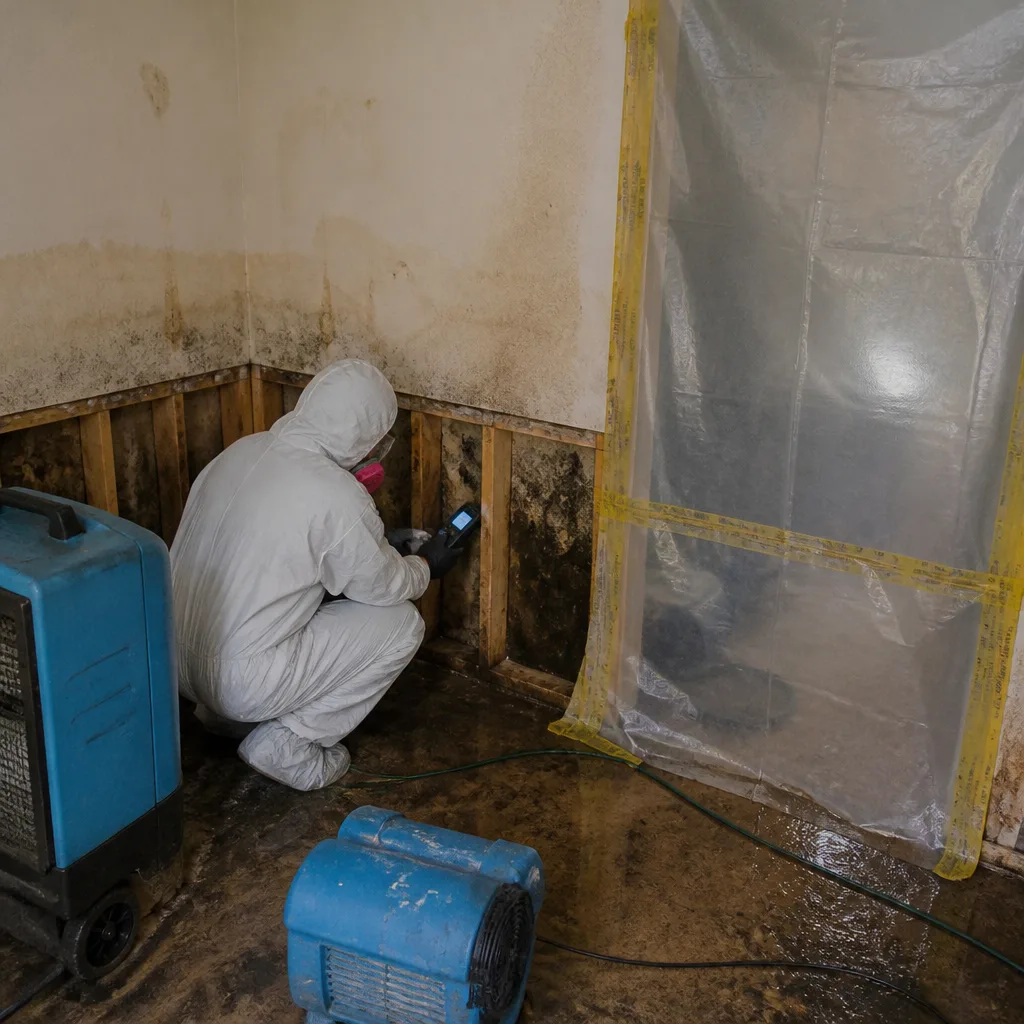 Before
 After
After