
Last updated October 16, 2026
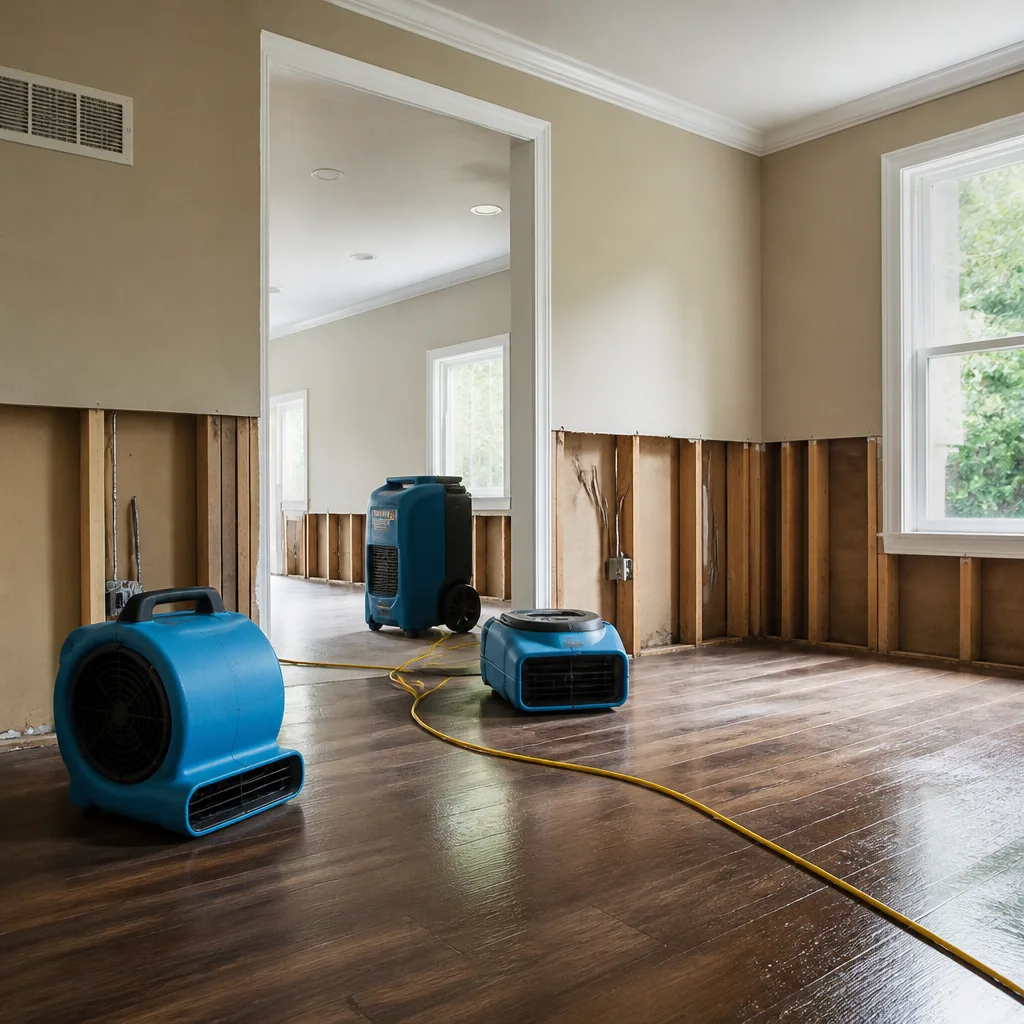 Water damage drying
 Fire & smoke cleanup
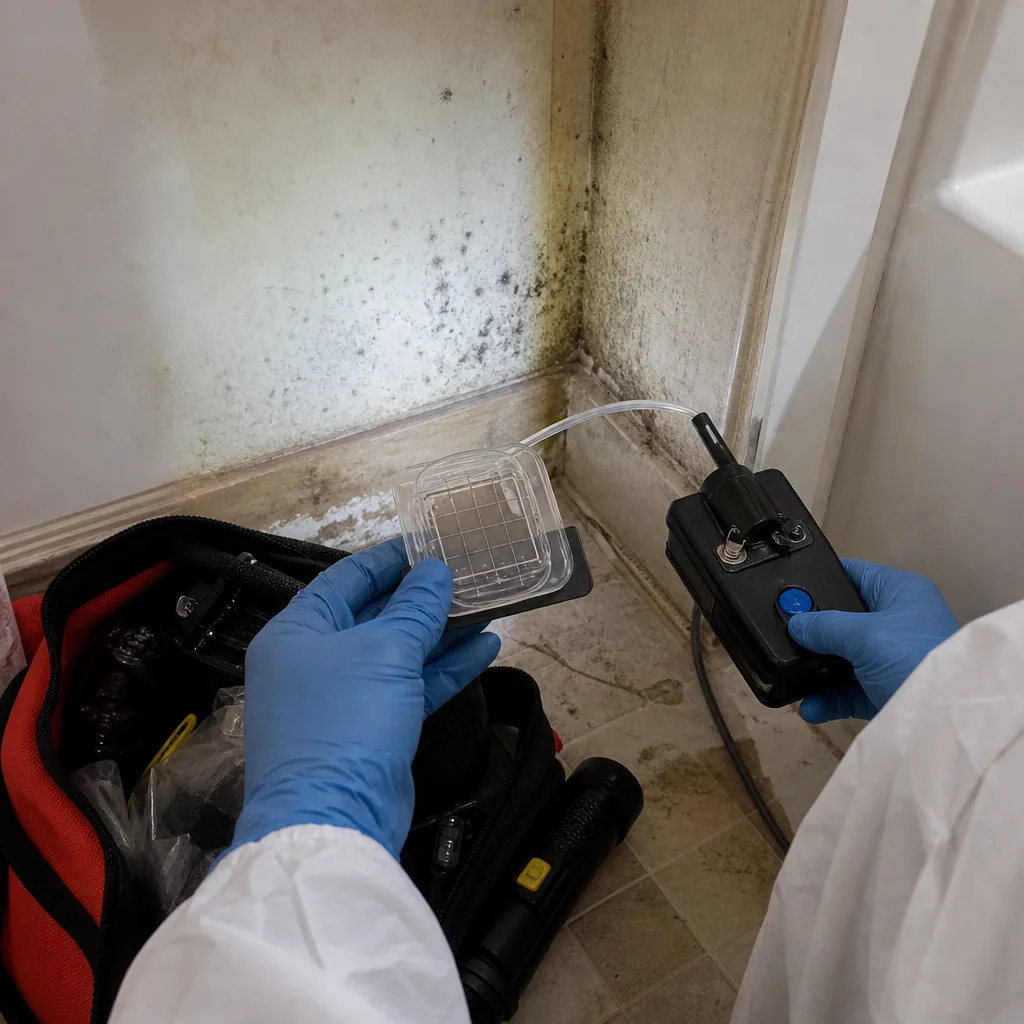
 Mold remediation
 Storm response
 Sewage cleanup
 Reconstruction
Free visual inspection and a written scope of work before any mitigation begins - photos, moisture readings, and drying logs go in your claim file
The scope we write is the scope we bill. Anything new gets shown to you, in writing, before we touch it.
Get your free estimateDIY vs Professional Damage Restoration: The San Diego Homeowner’s Decision Guide
Renting a shop vac and a consumer dehumidifier from Home Depot after a water event is the most common way San Diego homeowners accidentally convert a $2,000 restoration job into a $15,000 mold remediation. The equipment moves air, but it doesn’t document dryness, and it doesn’t reach the moisture trapped inside wall cavities and subfloor layers. This guide explains exactly where the line sits between a manageable weekend project and a job that needs professional equipment, training, and documentation, so you can make the call before the 72-hour mold window closes.
Quick Answer
DIY damage restoration is only safe for Category 1 water (clean supply-line water) affecting surfaces you can fully see and dry within 48 hours, in areas under 10 square feet. Anything involving gray water, black water, hidden moisture, or areas over 10 square feet should be handled by a professional restoration company. In San Diego’s coastal humidity, that hidden moisture supports mold growth faster than most homeowners expect, and a DIY attempt that leaves the structure damp creates a liability you’ll carry into any future insurance claim or home sale.
Restoration work we handle
Table of Contents
- The IICRC Category and Class System, Explained Plainly
- Why Consumer Dehumidifiers Fail at Professional Restoration
- The Documentation Gap: What Your Insurance Company Needs to See
- California’s 10-Square-Foot Mold Threshold
- Honest Cost Comparison: DIY vs Professional Restoration
- What DIY Can Genuinely Handle (and How to Do It Right)
- When to Call a Professional
- Frequently Asked Questions
The IICRC Category and Class System, Explained Plainly
The IICRC (Institute of Inspection, Cleaning and Restoration Certification) classifies water damage into three categories that answer one question: is this water dangerous to touch or breathe near? Category 1 is clean water from a supply line, a faucet left running, or rainwater that hasn’t touched building materials yet. Category 2 is “gray water” – water with significant contamination, like washing machine discharge, dishwasher overflow, or clean water that sat for more than 48 hours and started growing bacteria. Category 3 is “black water” – sewage, flood water, or anything carrying pathogens. The category determines whether you can safely touch the water without protective gear, and it’s the first thing a professional restoration tech assesses.
Beyond category, the IICRC uses a class system that measures how much of the room is saturated. Class 1 is a small area with minimal absorption. Class 2 is a whole room with water wicking up drywall and into carpet padding. Class 3 is saturated ceilings, walls, insulation, and subfloor in the entire space. Class 4 is deep saturation in dense materials like hardwood, concrete, and brick that require specialized drying methods. Here’s the rule most homeowners miss: a Category 1, Class 1 spill is genuinely DIY-able. A Category 2 or higher, or any Class 3 or 4 situation, changes the math completely because you’re no longer drying a surface – you’re drying a structure.
In San Diego specifically, we regularly see Class 2 situations that homeowners treated like Class 1. A supply line in a La Jolla condo pops while the owner is at work, water runs for six hours, and by the time they get home, the baseboards are swollen and water has traveled under the tile into the shared wall with the neighbor’s unit. That’s not a fan-and-dehumidifier job. That’s a psychrometric drying calculation and likely a containment setup before demolition starts. The class system exists because the amount of absorbed water dictates equipment count, not just equipment type.
Here’s the practical breakdown of what each combination means for DIY decision-making:
- Category 1, Class 1: A clean-water spill under 10 square feet with no visible wicking into drywall or flooring. A homeowner with a wet-vac, fans, and a dehumidifier can often handle this. Dry it within 48 hours and verify the materials feel dry to the touch.
- Category 1, Class 2: Clean water that wicked into drywall, baseboards, or carpet padding. This is the gray zone. If you can’t remove the wet material and expose the cavity to airflow, you can’t dry it properly without professional equipment and moisture meters.
- Category 2, any class: Contaminated water. You need antimicrobial treatment after drying, proper PPE during cleanup, and disposal procedures. This is professional territory.
- Category 3, any class: Sewage or floodwater. Never DIY. The health risk alone is disqualifying, plus the disposal and sanitization requirements are regulated.
- Class 3 or 4, any category: Structurally saturated spaces. Professional territory, always. The equipment needed is measured in multiple pieces of pro-grade gear, and the time required to dry dense materials is measured in days, not hours.
For a full look at what professional restoration involves, our Water Damage Restoration in San Diego page walks through the process step by step.
Why Consumer Dehumidifiers Fail at Professional Restoration
The dehumidifier you buy at a big-box store for $300 moves about 130 cubic feet per minute (CFM) of air and removes somewhere around 30 to 50 pints of moisture per day at 80°F and 60% relative humidity. A professional LGR (low-grain refrigerant) dehumidifier from brands like Phoenix or Dri-Eaz moves 300 to 450 CFM and removes 130 to 180 pints per day under the same conditions. The gap isn’t just about speed. It’s about the “grain” part of low-grain refrigerant: pros measure moisture in grains per pound of dry air, and LGR units are engineered to keep pulling moisture out even as the air gets drier, which consumer units can’t maintain.
Here’s what this means in a real San Diego water event. A toilet supply line breaks in a Rancho Bernardo home while the family is at work. Water runs for four hours, saturating the bathroom floor, the hallway carpet, and wicking into the adjacent bedroom’s drywall. The homeowner rents a big-box dehumidifier and runs it for three days. The surface of the carpet feels dry. The baseboards look okay. But inside the wall cavity behind the baseboard, the 2×4 studs are sitting at 25% moisture content, and the dehumidifier never moved enough air through that cavity to change that number. Mold starts colonizing the paper face of the drywall inside the wall within a week. The homeowner doesn’t see it. The smell arrives in month two.
The equipment gap is quantifiable:
- Airflow: Consumer units move 100-150 CFM. Professional air movers move 2,800-4,000 CFM each, and a restoration job uses multiple units positioned to create focused airflow across wet surfaces.
- Moisture removal: Consumer units remove 30-50 pints/day (at saturation, declining as air gets drier). Professional LGR units remove 130-180 pints/day and maintain efficiency at lower humidity levels.
- Ducting capability: Professional units can be ducted into wall cavities and under flooring to force dry air where the water actually is. Consumer units dry the room, not the structure.
- Monitoring: Consumer units have no sensors. Professionals pair every dehumidifier with penetrating moisture meters and thermo-hygrometers to track moisture content in specific materials, and they keep daily logs until those materials hit the dry standard (typically 8-12% for wood in San Diego’s climate).
San Diego’s ambient humidity doesn’t help. In coastal neighborhoods like Point Loma, Ocean Beach, and Del Mar, relative humidity routinely sits between 65% and 80%. A consumer dehumidifier fighting 70% ambient humidity is like bailing a boat with a coffee cup. Professional drying math accounts for the humidity load so that the drying chamber, not the open room, reaches the target vapor pressure.
We use LGR dehumidifiers, high-CFM air movers, and penetrating moisture meters from Phoenix, XPOWER, B-Air, and Injectidry on every water damage job because the equipment has to do more than move air. It has to prove dryness. That proof, in the form of daily psychrometric logs, is what separates a restoration company from a rental counter. If you’re ever curious what professional-grade drying looks like in practice, our Water Damage Repair in San Diego page has more detail on how we approach structural drying.
The Documentation Gap: What Your Insurance Company Needs to See
When you file a water damage claim, your insurance adjuster evaluates two things: what caused the damage, and whether the resulting repairs were done properly. For restoration, “properly” means the structure was dried to an acceptable standard, verified with measurements. Professional restoration companies produce psychrometric drying logs: daily readings of temperature, relative humidity, grains per pound, and moisture content readings from specific locations in the affected area. These logs document that the structure reached a dry state and stayed there.
DIY restoration produces none of that. If mold appears six months later and you file a new claim or pursue the contractor who did the drywall repair, the insurance company will ask for proof that the water damage was properly dried. With no logs, no moisture readings, and no photo documentation at each phase, you have an uphill argument. We see this scenario most often in San Diego’s older coastal homes, where a 1960s-era concrete slab in Clairemont held moisture for months after a DIY dry-out, and the mold that bloomed behind the kitchen cabinets was only discovered during a remodel.
The documentation gap extends beyond insurance. When you sell a home in California, you complete a Transfer Disclosure Statement that asks about water damage and mold issues. Professional documentation that the damage was dried and remediated is a selling asset. A verbal assurance that you ran a dehumidifier for a weekend is not.
Blake Sorensen, who has led Wendell Restoration San Diego since 2006, puts it this way: “The drying logs are the only witness that survives the job. When someone asks you three years later whether that home was properly dried, the logs either exist or they don’t. The moisture meter doesn’t have a memory if you don’t write it down.”
There’s also an insurance-coordination reality here. Adjusters process restoration claims with a “drying standard” requirement in mind. The standard is typically that affected materials are returned to their normal moisture content, verified with measurements from the same locations over consecutive days. If the adjuster asks for that documentation and you don’t have it, the claim process gets longer and more contentious. Professional restoration companies work with insurers daily and know what documentation the claim requires. Our Wendell Restoration San Diego home page outlines how we handle the documentation and insurance coordination process on every job.
California’s 10-Square-Foot Mold Threshold
California Senate Bill 732 (the Toxic Mold Protection Act) and the California Department of Public Health’s mold guidance establish a threshold of 10 square feet for visible mold growth. Below that, a homeowner can clean it themselves. Above that, the state recommends professional remediation, and several related requirements activate. The threshold exists because mold above 10 square feet is no longer a localized cleaning issue. It’s an indicator of a moisture problem that has persisted long enough to support significant colonization, and the remediation process needs containment to prevent spores from spreading through the HVAC system during cleaning.
Here’s the practical math. Ten square feet is roughly a 3-foot-by-3.5-foot patch, or the area behind a small bathroom vanity. If you can see mold that covers more area than a standard bath towel, you’re at or above the threshold. The measurement is done by treating the contiguous affected area as one measurement, not the sum of separate small patches. So mold behind a vanity, along a baseboard, and under a cabinet in the same bathroom is measured as one affected area, not three small ones.
What happens above 10 square feet in practice:
- Containment is required. Professionals set up physical barriers and negative air pressure using HEPA-filtered exhaust to prevent spore spread. This is beyond DIY tools.
- Disposal is regulated. Mold-contaminated materials over the threshold are handled as regulated waste in most San Diego County disposal contexts, meaning you can’t just bag them and put them in your regular trash bin.
- Remediation records matter for disclosure. When you sell, a buyer’s inspector can flag any history of mold disclosure, and having professional remediation records attached to that disclosure shifts the negotiation in your favor.
- DIY above the threshold backfires if you sell. A future buyer who discovers unremediated mold can pursue a claim against the disclosure form. Proving you remediated it yourself above the threshold, without documentation, is hard.
The California threshold applies statewide, but in San Diego’s coastal microclimates, the conditions that produce mold are amplified. Homes in Mission Hills, Pacific Beach, and Coronado deal with persistent marine-layer humidity, and older construction often lacks the vapor barriers that newer homes have. That means a small water event that goes under-treated in a San Diego coastal home is more likely to cross the 10-square-foot mold threshold within months than the same event in a drier inland climate. For a deeper look at how mold remediation works under these conditions, our Mold Remediation in San Diego page explains the process.
Honest Cost Comparison: DIY vs Professional Restoration
DIY restoration costs look cheap at the rental counter and expensive six months later. Here’s the honest math for a typical San Diego water event: a toilet supply line break in a bathroom that saturates about 100 square feet of flooring, some drywall, and the baseboard trim. You’re home when it happens, you shut the water off fast, and you decide whether to DIY or call a professional.
DIY cost breakdown:
- Equipment rental: Commercial wet-vac and consumer dehumidifier from a San Diego rental counter: $75-$120 per day, 3-5 days: $225-$600
- Fans: Three box fans or rental air movers: $60-$180
- Disposal: Removing and hauling saturated carpet pad and damaged drywall yourself, plus dump fees or a temporary haul-away: $100-$400
- Replacement materials: Carpet pad, baseboard, paint, drywall patch, and your time or materials for the repair: $300-$1,500
- Total DIY out-of-pocket, visible scope: $685-$2,680
That’s the visible scope. The risk-adjusted scope is where it gets honest. If that same DIY job leaves moisture in the wall cavity or under the flooring, here’s what the callback problem costs six months later:
- Mold remediation for under-treated hidden moisture: $2,000-$6,000 for containment, removal, antimicrobial treatment, and post-remediation verification
- Re-repair of affected areas: $1,500-$4,000
- Insurance claim complications from lacking documentation: Delays, denials, or reduced payouts
The risk-adjusted DIY cost, with a realistic probability of a hidden-moisture problem, usually lands between $2,000 and $8,000. And that’s before you assign any value to your time. In our experience in San Diego, the homes most likely to have a DIY callback problem are the ones where the homeowner couldn’t see behind the baseboard or under the tile and assumed the surface dryness meant the structure was dry.
Professional cost breakdown (written price before work starts):
- Emergency response and assessment with moisture mapping: $150-$400 (varies by location and company)
- Water extraction: $500-$1,200 for the 100-square-foot scenario
- Structural drying (3-5 days, equipment and monitoring): $1,200-$3,000
- Repairs (drywall, trim, flooring, paint): $800-$2,500
- Total professional, typical range: $2,650-$7,100
The professional number is higher than the visible-scope DIY number, but it’s lower than the risk-adjusted DIY number, and it comes with documentation, warranty, and photos. More importantly, it’s a written price before any work starts. At Wendell Restoration San Diego, the number on the written estimate is the number you pay, and we text a digital invoice so you can pay from the link. No change orders at the door. No “we found more once we opened the wall” pricing surprises. The price is scoped, written, and agreed to before a single tool touches the floor.
What DIY Can Genuinely Handle (and How to Do It Right)
There are water events a homeowner can handle safely, and knowing what they are saves you money and time. The key qualifiers: Category 1 water only (clean supply water or rainwater that hasn’t contacted contaminated surfaces), Class 1 extent only (under 10 square feet, minimal absorption), fully visible surfaces, and you can complete drying within 48 hours. Here’s the step-by-step for a genuinely DIY-appropriate event:
- Stop the source. Shut the water at the fixture or the main shutoff. Time matters more than anything else in water damage.
- Remove standing water. Wet-vac the area thoroughly. If the spill is on carpet, pull the carpet and pad back from the tack strip and check the subfloor underneath.
- Remove saturated materials. Anything that absorbed water and can be removed, remove it. Wet carpet pad always goes. Wet baseboards come off. If drywall is saturated (soft to the touch, wet to the back of the hand), cut it out to at least 12 inches above the visible water line.
- Set airflow. Position fans to blow across wet surfaces, not at walls. The air needs to move across the wet area and out of the room if possible. If the ambient humidity in San Diego is high, run the AC or open windows to create airflow.
- Run a dehumidifier, knowing its limits. A consumer dehumidifier reduces surface moisture in a room. It will not dry inside wall cavities. If you suspect water entered a cavity, you’re beyond the DIY threshold.
- Verify dryness. The finger test is not enough. Rent or buy a moisture meter (around $30-$50) and check the affected materials. Wood should read under 12% in San Diego’s climate. Drywall should read under 5-8%. If you can’t get a meter, the job isn’t verifiable, and verification is the whole point.
One more thing: don’t use heat to dry. It seems intuitive, but heat accelerates moisture evaporation into the air, where it condenses on cooler surfaces (interior walls, windows, uninsulated corners) and creates secondary wet spots. Professional drying uses controlled temperature and humidity, not a space heater.
When to Call a Professional
Call a professional restoration company if any of these apply: the water is Category 2 or 3 (gray water or black water), the affected area is over 10 square feet, the water wicked into walls, ceilings, or subfloor, you can’t fully see the affected area, the water sat for more than 24 hours before you started cleaning, anyone in the home has respiratory issues or mold sensitivity, or the event is tied to an insurance claim. These aren’t edge cases. In San Diego homes, the water you can’t see is the water that causes the problem, and the 72-hour mold clock starts when the water is absorbed, not when you noticed it. Wendell Restoration San Diego offers free estimates in San Diego – call (858) 988-6639.
Common Mistakes to Avoid
- Treating surface dryness as structural dryness. Carpet that feels dry to the touch can be sitting on a saturated pad and subfloor. In San Diego’s coastal homes, the pad under the carpet holds moisture for days after the surface feels dry.
- Running fans without dehumidifiers. Fans move moisture into the air. Without a dehumidifier to pull it out, you’re just relocating the water into the air, where it condenses on cooler surfaces and in the walls.
- Assuming a small visible stain means a small water event. Water travels. A stain on the ceiling in a Scripps Ranch home often means water ran along a joist for 20 feet before finding a path down. The visible stain is only where the water exited, not where it traveled.
- Using bleach on mold. Bleach kills surface mold but doesn’t penetrate porous materials, and it adds moisture while leaving dead spores that can still trigger allergies. Above 10 square feet, this approach makes a future remediation more complicated.
- Skipping the moisture meter. Drying without verifying dryness is a guess. A $40 moisture meter is the cheapest insurance you’ll ever buy if you’re doing any DIY water damage work.
- Delaying the insurance call. Waiting to see if “it gets better” usually means waiting until the damage is worse. California homeowners’ policies have notification deadlines, and missed deadlines can reduce payouts.
- Renting equipment without knowing the CFM requirements. A single consumer dehumidifier in a 200-square-foot room with hidden moisture is not a match. The math of air changes per hour and dehumidifier capacity matters, and undersized equipment wastes your rental fee while the structure stays wet.
Frequently Asked Questions
Professional water damage restoration in San Diego typically costs $2,500 to $7,500 for a standard single-room event, including extraction, structural drying, and repairs. The exact price depends on the damage category, class, and square footage, and a written estimate should always be provided before work starts. Call (858) 988-6639 for a free estimate with exact pricing for your situation.
Yes, if the water is clean (Category 1), the affected area is under 10 square feet, the water hasn’t wicked into walls or flooring, and you can fully verify dryness with a moisture meter within 48 hours. If any of those conditions don’t apply, the moisture you can’t reach becomes a mold liability. In San Diego’s humidity, consumer equipment rarely dries structural cavities adequately.
Mold can begin colonizing water-damaged materials within 24 to 72 hours, and San Diego’s coastal humidity accelerates that timeline compared to drier climates. The 72-hour window is the standard for drying affected materials before mold risk rises significantly. After that window, professional drying and antimicrobial treatment become more important.
Most homeowners’ policies cover sudden and accidental water damage, like a burst supply line, but not gradual leaks, flooding, or neglect. Professional restoration companies document the drying process with psychrometric logs and photos, which strengthens your claim documentation. For a clearer picture of how restoration claims work, call (858) 988-6639 and we’ll walk through your policy language together.
California’s Toxic Mold Protection Act and CDPH guidance set 10 square feet of visible mold as the threshold above which professional remediation is recommended and containment becomes necessary. Below that threshold, homeowners can clean the mold themselves. Above it, regulated disposal applies, and remediation records become important for any future home sale disclosure.
Water damage restoration includes extraction, structural drying, and returning the affected area to its pre-loss condition, and it happens immediately after the water event. Water damage repair is the reconstruction phase: replacing drywall, flooring, trim, and paint that couldn’t be dried. Both are explained in more detail on our Water Damage Restoration in San Diego and Water Damage Repair in San Diego pages.
The Bottom Line
The DIY vs. professional decision in damage restoration isn’t about skill. It’s about category, class, visibility, and documentation. A clean-water spill you can see and fully dry within 48 hours, under 10 square feet, with a moisture meter in hand, is a legitimate DIY project. Everything else carries hidden-moisture risk that converts a small job into a large one. In San Diego specifically, the ambient humidity, the age of housing stock in coastal neighborhoods, and the California mold threshold above 10 square feet all push the math in favor of professional restoration for anything beyond the smallest events. For a written price before any work starts and a team that answers the phone live, call Wendell Restoration San Diego at (858) 988-6639.
Written by Blake Sorensen, Owner at Wendell Restoration San Diego, serving San Diego since 2006.
See the difference
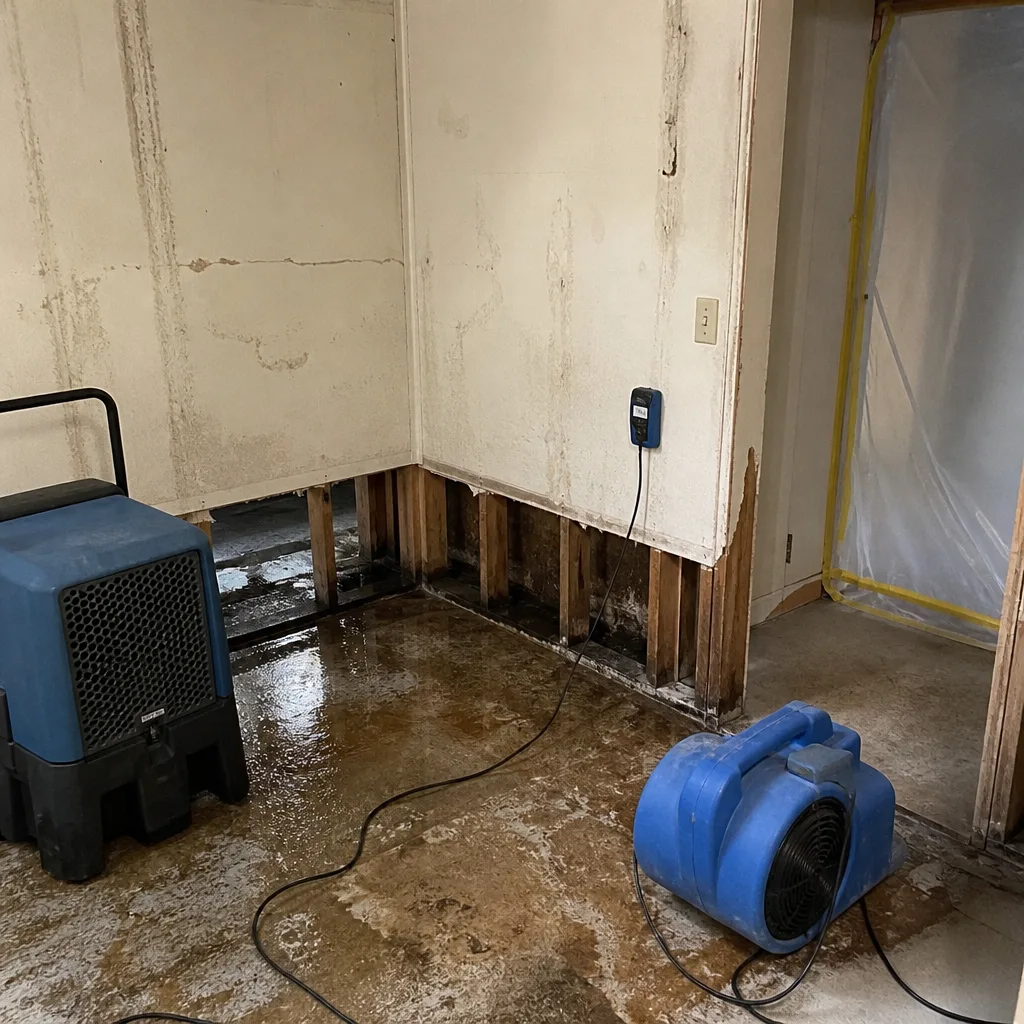 Before
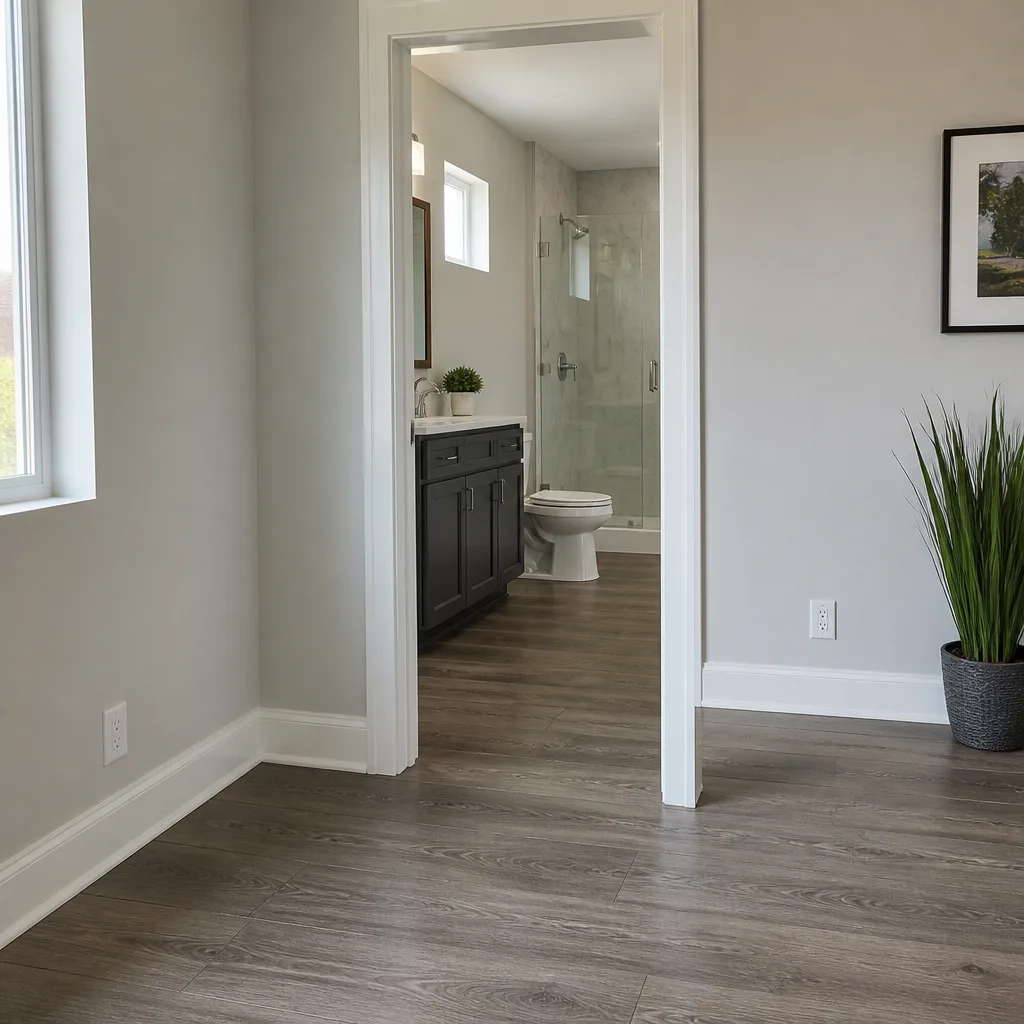 After
After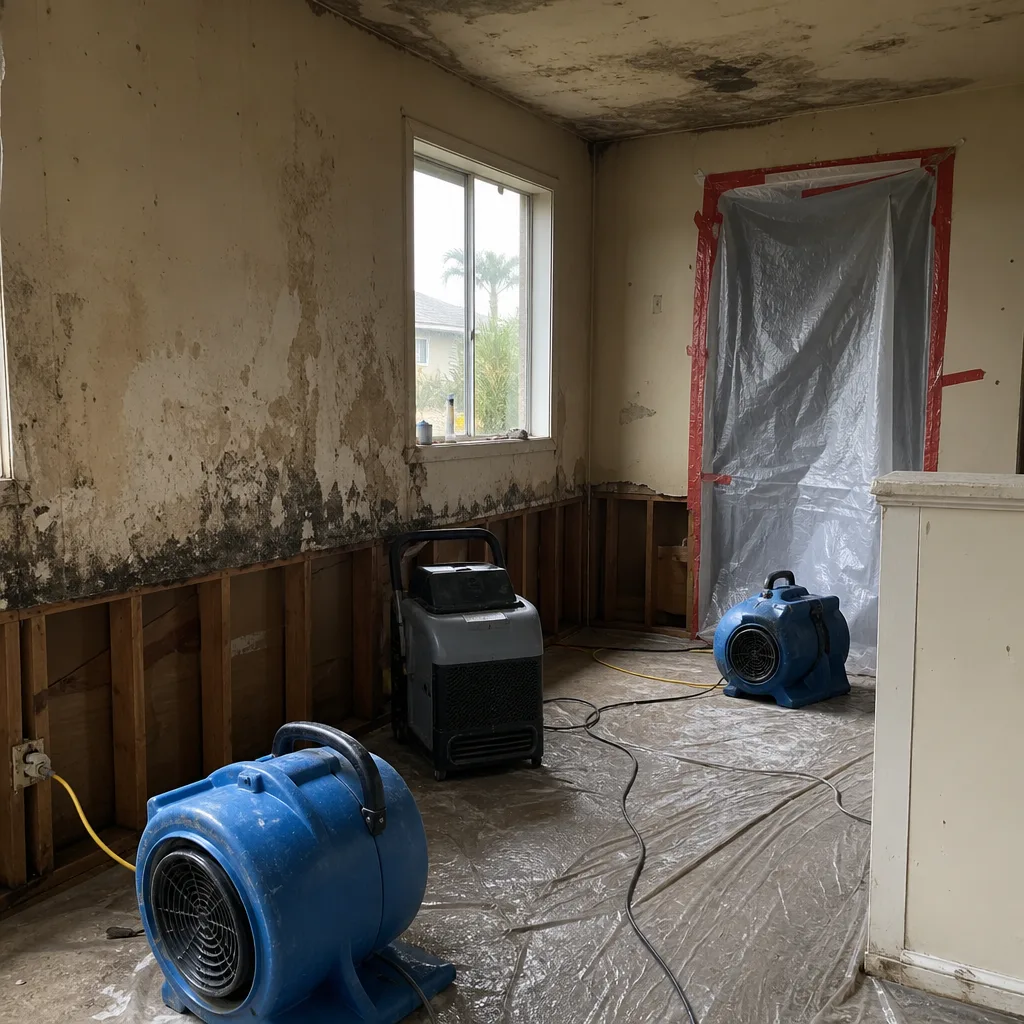 Before
 After
After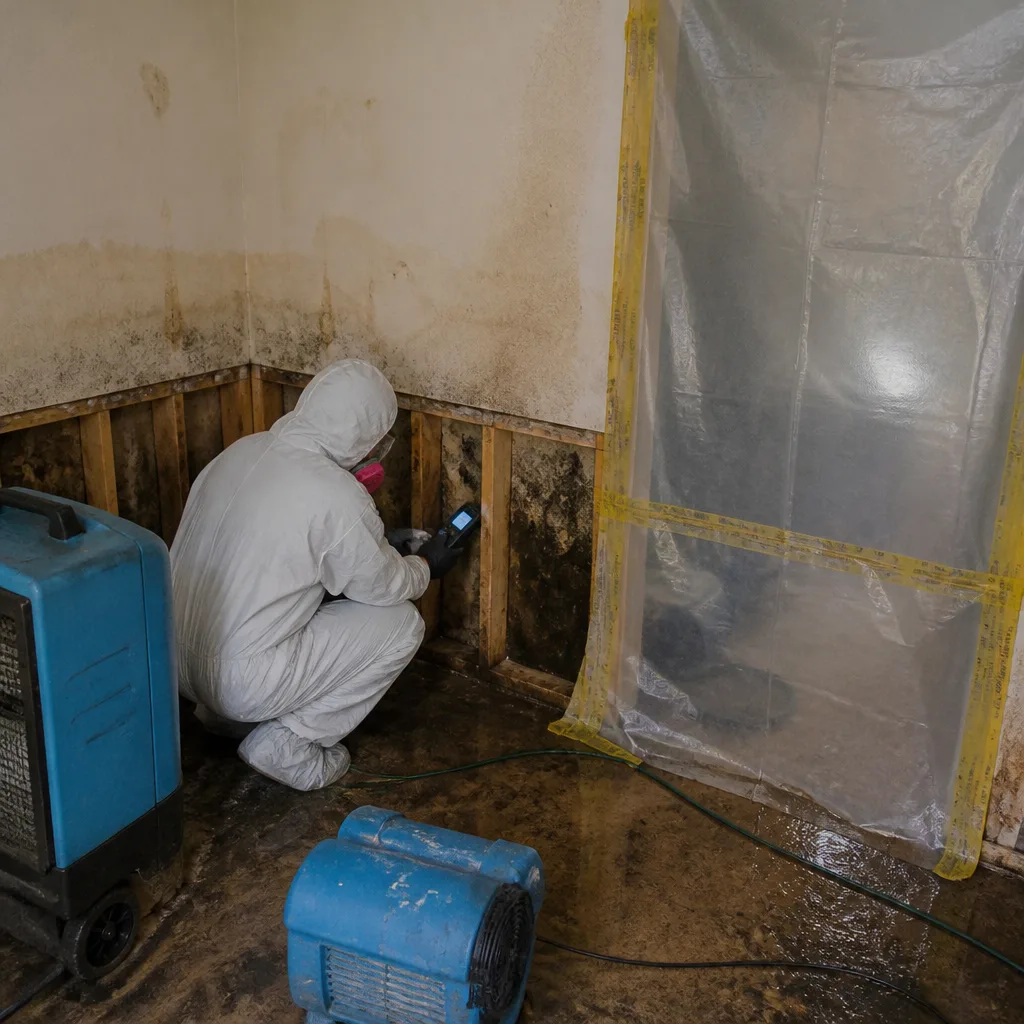 Before
 After
After