
Last updated October 16, 2026
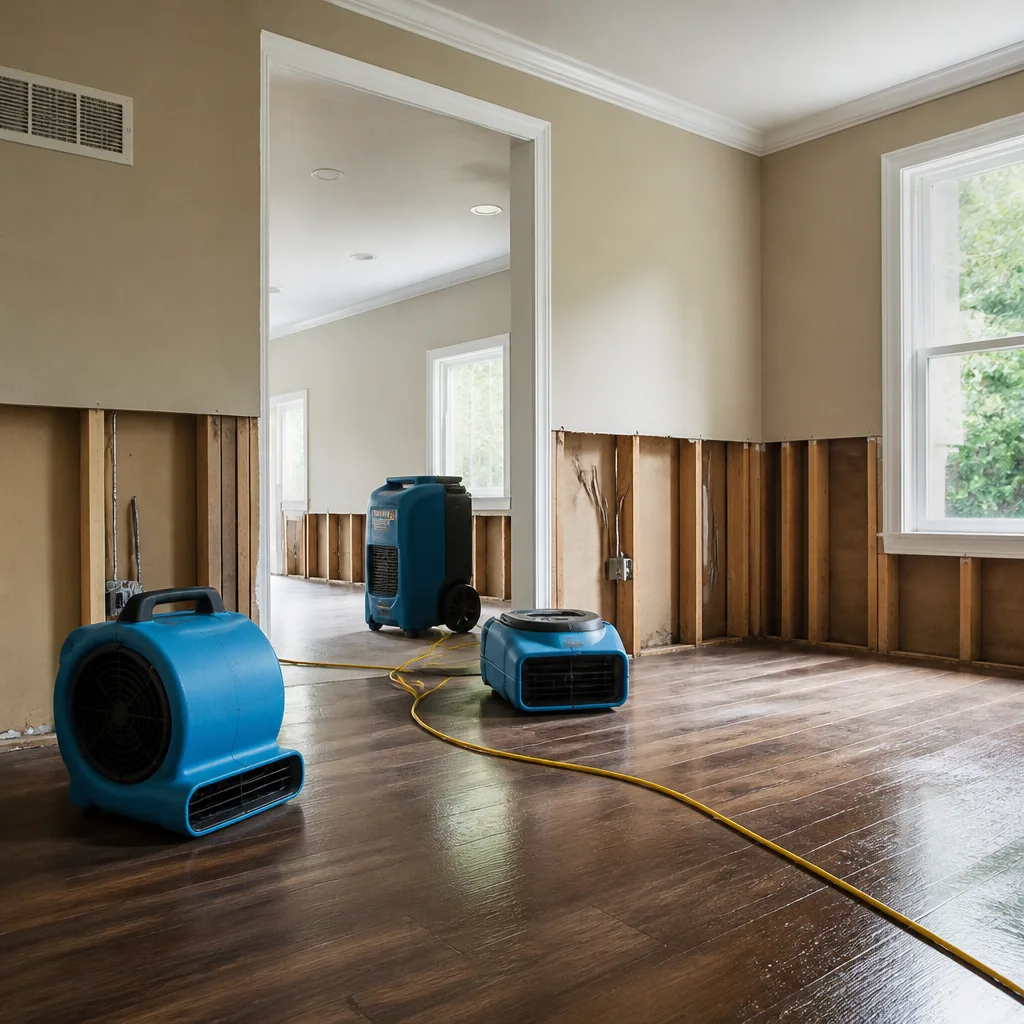 Water damage drying
 Fire & smoke cleanup
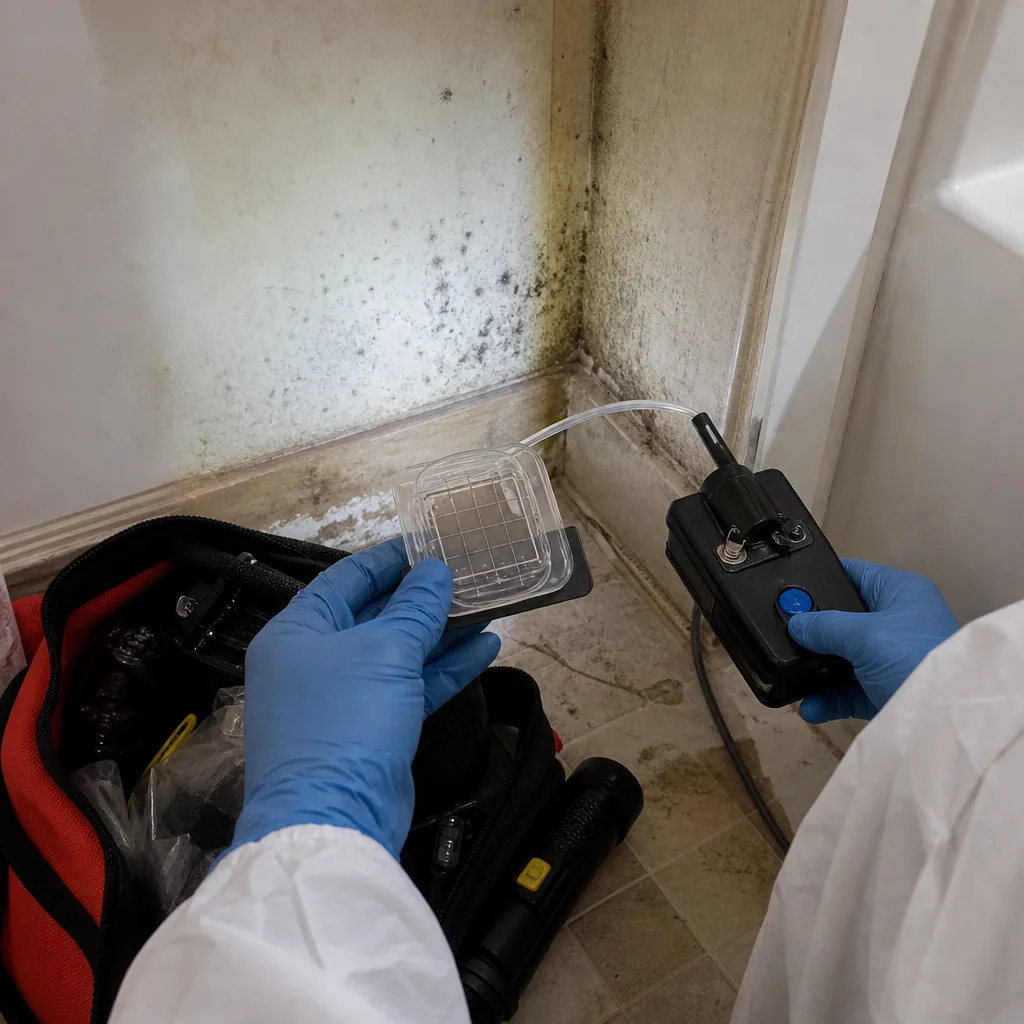
 Mold remediation
 Storm response
 Sewage cleanup
 Reconstruction
Free visual inspection and a written scope of work before any mitigation begins - photos, moisture readings, and drying logs go in your claim file
The scope we write is the scope we bill. Anything new gets shown to you, in writing, before we touch it.
Get your free estimateDamage Restoration Permits, Codes & Inspections in CA: What You Need to Know
Most San Diego homeowners discover the permit question after the drywall is already cut open. A pipe bursts at 2 a.m., a restoration crew shows up, walls come down, fans go in, and three weeks later someone mentions the word “permit” for the first time. By then, the framing is exposed and the question isn’t theoretical anymore. Here’s the reality: California code requires permits for far more restoration work than most contractors disclose, and skipping them can quietly undo the insurance claim you thought was settled. This guide walks through exactly which restoration tasks need a permit in San Diego County, which don’t, what inspections look like, and how permit records protect you when you sell. We’ll also cover the mold disclosure rules most homeowners never hear about until escrow stalls.
Quick Answer
In California, permits are required for restoration work that alters or replaces structural framing, plumbing, electrical, or HVAC systems, including water-damaged drywall that covers any of those systems. Code-exempt work is limited to finish materials only: paint, flooring, trim, and drywall in areas with no concealed systems, though San Diego municipal code adds extra requirements that state code leaves open. Skipping a required permit can trigger insurance denial, code enforcement fines, and mandatory disclosure problems when you sell.
Restoration work we handle
Table of Contents
- Permit vs. Code-Exempt: What California Actually Requires
- Trade-by-Trade Breakdown for San Diego Restoration Jobs
- Mold Remediation and California Health and Safety Code 17920.3
- The Inspection Sequence for a Permitted Restoration Job
- Like-for-Like Replacement and Upgrade Triggers in Older San Diego Homes
- How to Pull Permit History for a San Diego Property
- How Permit Records Strengthen Your Insurance File
- Common Mistakes to Avoid
Permit vs. Code-Exempt: What California Actually Requires
California Building Standards Code (Title 24) draws the line between permit-required work and code-exempt work, and that line sits exactly where most water damage happens. If restoration touches anything behind the drywall, including framing, plumbing supply lines, drain lines, electrical wiring, or ductwork, you need a permit. If the work stays on the surface, paint, flooring, baseboards, trim, you don’t. That sounds simple until you realize water damage rarely stays on the surface. A flooded bathroom in a Clairemont home usually means removing drywall, and removing drywall usually means exposing plumbing and electrical. The moment those systems are visible and the restoration plan includes replacing or modifying them, the permit question is answered: yes, you need one.
The California Residential Code (CRC) and California Plumbing Code (CPC) treat “repair” and “replacement” with a nuance most homeowners miss. Repairing a small section of pipe, less than 12 inches of a single line with no change in pipe size or material, is often exempt. Replacing that pipe with new material, rerouting it, or changing its diameter is not exempt. The same logic applies to electrical: replacing a water-damaged outlet with an identical outlet is exempt, but running new wiring from a saturated wall to a dry junction box is not. Contractors who tell you “it’s just repairs, no permit needed” are either wrong about what repairs means under California code, or they’re betting you won’t check.
San Diego municipal code layers on extra requirements. The city requires permits for any work that changes the building’s structural load path, any modification to a shear wall, and any replacement of water-damaged roof sheathing that exceeds 25% of the roof area. The county has similar triggers for unincorporated areas like Ramona, Alpine, and Valley Center. Coastal zones add corrosion-resistance requirements for fasteners and framing connectors. In our experience, restoration projects in San Diego that start as “simple drywall replacement” become permitted jobs roughly two-thirds of the time once the wall cavity is opened and the full extent of water damage is visible. That’s not a reason to skip the permit. It’s a reason to plan for it from day one.
Trade-by-Trade Breakdown for San Diego Restoration Jobs
Here’s what a permit means in practical terms, broken down by trade, based on what we see on restoration jobs across San Diego County and our Damage Restoration Warning Signs: A San Diego Homeowner’s Reference Guide. These are the lines that matter when you’re deciding whether to pull a permit, and they’re the lines a building inspector will check if you do.
Structural
Water-damaged framing, sill plates, bottom plates, and floor joists require a permit in every jurisdiction in San Diego County when the repair involves replacement rather than surface treatment. Cutting out and sistering a rotted joist is structural work, full stop. The permit triggers a structural inspection, and in older San Diego homes built before 1980, that inspection often uncovers additional required upgrades: hold-down hardware, foundation bolting, and shear paneling that current code demands but the original build never included. If a restoration contractor starts pulling out rotted wood and says no permit is needed, stop the job and call the city. Replacing structural members without an inspection means the repaired assembly was never verified to carry load, which is exactly the problem you don’t want to discover during a home sale.
Plumbing
Water damage restoration often includes replacing supply lines, drain lines, or both. California Plumbing Code says replacing an existing fixture, like a toilet or sink, requires no permit as long as no piping behind it changes. Replacing or modifying piping itself is a different story. A 2021 San Diego case we’re familiar with involved a flooded laundry room where the restoration company replaced six feet of copper supply line with PEX without a permit. The homeowner sold two years later, the buyer’s inspector flagged the unpermitted PEX transition, and escrow nearly collapsed over a $180 permit fee that should have been paid at the time of the repair. The lesson: any change in pipe material, size, or routing triggers a permit, and unpermitted plumbing transitions are one of the most common deal-killers in San Diego real estate transactions.
Electrical
Water and energized wiring don’t mix, and restoration jobs routinely involve replacing outlets, switches, or wiring runs that got wet. Replacing a damaged outlet with a same-spec outlet is code-exempt. Replacing damaged wiring from the panel to the outlet is not. Adding AFCI or GFCI protection to a circuit because current code requires it on any circuit you’re modifying is a permit trigger. The National Electrical Code and California Electrical Code are both explicit, and San Diego inspectors are consistent: any modification to branch circuit wiring requires a permit and an inspection. If your restoration plan includes opening walls to dry out wiring, the follow-up repair almost certainly includes at least some permitted electrical work.
HVAC
Water-damaged ductwork, soaked insulation in return plenums, and flooded mechanical closets are common in San Diego homes, especially in coastal areas where humidity compounds the problem. California Mechanical Code requires permits for duct replacement and any modification to the air distribution system. Cleaning ducts or replacing insulation wrap is exempt. Replacing a section of water-damaged flex duct is not. The distinction matters because duct runs behind walls are exactly where unpermitted work hides, and that’s exactly where a home inspector or insurance adjuster looks first when a water damage claim is being verified.
Mold Remediation and California Health and Safety Code 17920.3
Mold is where California code gets specific, and where San Diego homeowners face the most financial exposure. Health and Safety Code Section 17920.3 defines certain mold conditions as substandard housing, which means the presence of visible mold contamination at certain levels can make a dwelling legally uninhabitable. The practical effect: if a mold problem in your San Diego home reaches that threshold, and you remediate without documentation, you’ve created a disclosure obligation that follows the property forever. California Civil Code Section 1102 requires sellers to disclose any known material facts affecting the property’s value or desirability, and mold remediation history is squarely in that category.
Here’s the sequence we see all the time. A homeowner discovers mold in a bathroom wall, hires a handyman who rips out the drywall and sprays bleach, and the homeowner sells three years later thinking the issue is resolved. The buyer’s inspector finds evidence of past moisture intrusion, questions go back and forth, and the seller discovers they needed to disclose the remediation but now have no documentation proving it was done correctly. Without a permit record, a remediation certificate from a qualified firm, and post-remediation clearance testing, the seller can’t prove the mold condition was actually fixed. That’s a negotiation position nobody wants.
Mold remediation in San Diego typically doesn’t require a building permit, but it does require documentation to a standard California courts and escrow officers recognize. That documentation should include: the initial assessment, the scope of work, the remediation protocol used (IICRC S520 is the recognized standard), drying logs showing moisture levels returned to pre-loss conditions, and clearance testing showing spore counts within normal ranges for the region. If the remediation involved removing and replacing drywall over plumbing, electrical, or structural elements, the permit requirement kicks in for the reconstruction portion even though the remediation itself was exempt. The mold is a health issue. The rebuild is a code issue. Both need paperwork.
We work under Mold Remediation in San Diego protocols that produce exactly this documentation, because we’ve watched too many homeowners walk into escrow without it. The rule is simple: if you remediate mold, keep the file. Your insurance carrier wants it, your future buyer’s inspector wants it, and your homeowner’s insurance renewal might depend on it. California insurers increasingly ask about prior water damage and mold claims at renewal, and “we handled it ourselves” without documentation is an answer that gets policies non-renewed.
The Inspection Sequence for a Permitted Restoration Job
If you’ve never pulled a permit for restoration work, the inspection process sounds more intimidating than it is, as we explain in our DIY vs Professional Damage Restoration: The San Diego Homeowner’s Decision Guide. Here’s the typical sequence for a water damage reconstruction project in San Diego, step by step. This is the same sequence your restoration contractor should walk you through before you sign anything.
- Permit application filed. The contractor or homeowner submits plans, a scope of work, and the fee schedule to the city or county. San Diego’s Development Services Department processes most residential restoration permits online. Plan review for complex structural work can take a week or two; simple mechanical or electrical permits are often same-day or next-day.
- Permit issued. The permit is posted at the job site, and work begins. The permit document lists every inspection that will be required and in what order.
- Rough inspection. This happens after demolition but before concealment. The inspector checks framing, rough plumbing, rough electrical, and rough mechanical work at the point where everything is visible. This is the most important inspection for restoration work because it verifies the repaired assembly meets current code.
- Corrections, if any. The inspector notes deficiencies in writing. The contractor fixes them and calls for re-inspection. Most restoration jobs clear rough inspection on the first or second visit if the contractor knows San Diego’s specific amendments to state code.
- Insulation and drywall inspection. For jobs involving exterior walls, the inspector may require a separate visit to verify insulation before drywall goes up. This is common in coastal San Diego where energy code requirements are stricter.
- Final inspection. After finish work is complete, the inspector verifies all permit scope items are done correctly. The permit is signed off, and the record is closed.
- Permit record filed. The signed permit and inspection reports become part of the property’s permanent record with the city. This is the documentation you’ll need for insurance files, refinances, and future sales disclosures.
The entire sequence for a typical water damage rebuild in San Diego, from permit application to final inspection, runs two to six weeks depending on scope. That’s not a reason to skip it. The inspection is your proof the work was done to code, and that proof has real financial value whether or not you ever sell the home.
Like-for-Like Replacement and Upgrade Triggers in Older San Diego Homes
“Like-for-like replacement” is a phrase California code uses to describe replacing a damaged component with an equivalent, and it’s the concept most restoration contractors invoke when they say no permit is needed. The problem is that California code doesn’t actually contain a broad like-for-like exemption for concealed repairs. What it contains is a patchwork of specific exemptions for specific materials and specific scopes, and those exemptions get narrower every code cycle.
The rule that actually matters for San Diego homeowners, especially those in pre-1980 homes in neighborhoods like North Park, South Park, Normal Heights, and Kensington, is the upgrade trigger. When you open a wall, ceiling, or floor system in the course of a repair, California code requires the exposed area to be brought up to current code before it’s closed back up. That’s not a like-for-like rule. That’s a bring-it-current rule. If the wall you open for water damage contains knob-and-tube wiring, ungrounded outlets, or aluminum branch circuit wiring, current code requires those conditions be corrected before the wall goes back. If the plumbing is galvanized supply lines, replacing them with copper or PEX is a material upgrade that triggers a permit. If the framing lacks the hold-down hardware current seismic code requires, the inspector may require retrofit anchors as a condition of closing the rough inspection.
Pre-1980 San Diego homes are the ones most likely to hit these triggers, which means they’re also the homes where skipping permits creates the largest compliance gap. The gap between what was code in 1955 and what’s code in 2026 is enormous, and any restoration project that opens walls is going to expose at least some of it. A licensed restoration contractor in San Diego should be able to tell you, before demolition starts, which upgrade triggers your home is likely to hit, a topic we cover in detail in How to Hire a Damage Restoration Contractor in San Diego: A Step-by-Step Guide. If they can’t answer that question, or if they wave it off with “we’ll match what’s there,” you’re not hearing the whole story about what a permitted job on your home actually requires.
How to Pull Permit History for a San Diego Property
Knowing a property’s permit history before you buy, before you sell, or before you start a restoration project, is one of the most underused due diligence tools in San Diego real estate. The process is straightforward, and it reveals things most sellers would rather not discuss.
- Go to San Diego’s Development Services Department online permit lookup. The city’s permit portal allows searches by address. Enter the street address and click search. You’ll see a list of permits issued, their status, and the type of work.
- Check for finaled permits only. A permit that was pulled but never finaled is a bigger red flag than no permit at all. It means work started under a permit and was never inspected to completion. That’s a code compliance issue and a disclosure item.
- Look for permits that match the home’s age and renovation cycle. A 1950s house with no plumbing or electrical permits since original construction tells you either the systems are original, which has its own implications for water damage risk, or work was done unpermitted, which has disclosure implications.
- For unincorporated county areas, use the county’s permit portal instead. San Diego County’s Planning and Development Services covers unincorporated communities, and the search works the same way.
- Pull a full building record. For a detailed look at a property’s entire permit history, you can request a building record search from the city or county. This gives you a chronological list of every permit ever issued for the address, including permits that were applied for but never issued.
What past unpermitted work signals isn’t always what homeowners think. It doesn’t just mean the work might be substandard. It means the work was never inspected, which means the water damage risk profile of the home is higher than a comparable home where all modifications were properly permitted and inspected. Unpermitted electrical work behind walls is a future fire hazard. Unpermitted plumbing modifications are a future leak source. In our experience doing Water Damage Restoration in San Diego, the homes with the worst hidden water damage are consistently the ones with the thinnest permit files. The correlation isn’t a coincidence.
How Permit Records Strengthen Your Insurance File
Insurance companies don’t love uncertainty. A water damage claim that was repaired under a permit with signed inspections gives the adjuster documentation that the loss was fully addressed and the property returned to code-compliant condition. That documentation serves you at renewal time, at claim time, and at sale time. Here’s how a permit record works in each context.
At claim time, if you have a second water damage event in the same area of the home, the prior permit proves the first repair was done correctly. Without it, the adjuster may argue the second loss was caused by the first repair failing, which is typically an excluded loss. We’ve seen this play out in San Diego more times than we can count: a homeowner with a prior unpermitted repair files a new claim, the adjuster’s inspection reveals the prior work, and the claim is denied because the damage resulted from faulty workmanship rather than a covered peril. The permit record is your shield against that outcome.
At renewal time, California insurers have increasingly been pulling permit records and using them to assess risk. A home with a full permit history for all modifications reads as well-maintained. A home with no permits but visible renovation work reads as high-risk. The premium difference can be hundreds of dollars a year, and the insurability difference can be even larger. Some carriers won’t write policies on homes with certain types of unpermitted work, and the list of what disqualifies a home has grown in recent years.
At sale time, the buyer’s home inspector will pull permit records, and the buyer’s lender may require proof that major systems are code-compliant. A home with a complete permit file for a water damage restoration sells faster and cleaner than a home where the seller has to explain away a missing permit. The paperwork is part of the repair, not a separate chore.
Common Mistakes to Avoid
- Believing “like-for-like” means no permit. Like-for-like exemptions in California code are narrow and specific. Replacing a damaged component with a new one of the same type might be exempt, but modifying anything in the process, including materials, sizing, or routing, usually is not.
- Letting restoration work start without a written scope that identifies permit requirements. A proper restoration scope, like the ones we produce at Water Damage Repair in San Diego, states which portions of the job are permit-required and which are exempt. If the scope doesn’t address permits, you’re working blind.
- Treating mold remediation as a purely cosmetic issue. California Health and Safety Code 17920.3 has a long memory. Remediating mold without proper documentation creates a disclosure obligation you can’t fully satisfy later.
- Ignoring pre-1980 upgrade triggers. Opening walls in older San Diego homes exposes the home’s entire construction history to current code requirements. Budget for the upgrades before demolition, not after.
- Failing to pull permit history before buying. A thin permit file doesn’t mean a problem-free home. It usually means undocumented work, which correlates with hidden water damage and future claim denials.
- Hiring a restoration company that doesn’t discuss permits until inspection time. If the contractor’s plan doesn’t include a permit strategy, the inspection process becomes a scramble, and scrambles lead to missed requirements, failed inspections, and open permits.
- Closing the claim file without keeping the permit record. The permit finaling is part of your claims documentation. File it with your insurance paperwork. You’ll want it at renewal, and you’ll definitely want it when you sell.
When to Call a Professional
Water damage that reaches framing, electrical, or plumbing is not a handyman project. The moment structural members are wet, wiring is exposed to water, or supply lines are compromised, you need a licensed contractor who understands San Diego’s permit process and the inspection sequence that goes with it. You also need someone who documents everything, because the documentation is what protects your insurance file and your future sale. Here at Wendell Restoration San Diego home, we produce a written scope, a permit strategy, and before-and-after photo documentation on every job, and we give you the price in writing before work starts. If you’re facing water damage in San Diego and the permit question is already on your mind, call us at (858) 988-6639 for a free estimate. We’ll tell you what needs a permit, what doesn’t, and exactly what the job costs.
See the difference
 Before
 After
After Before
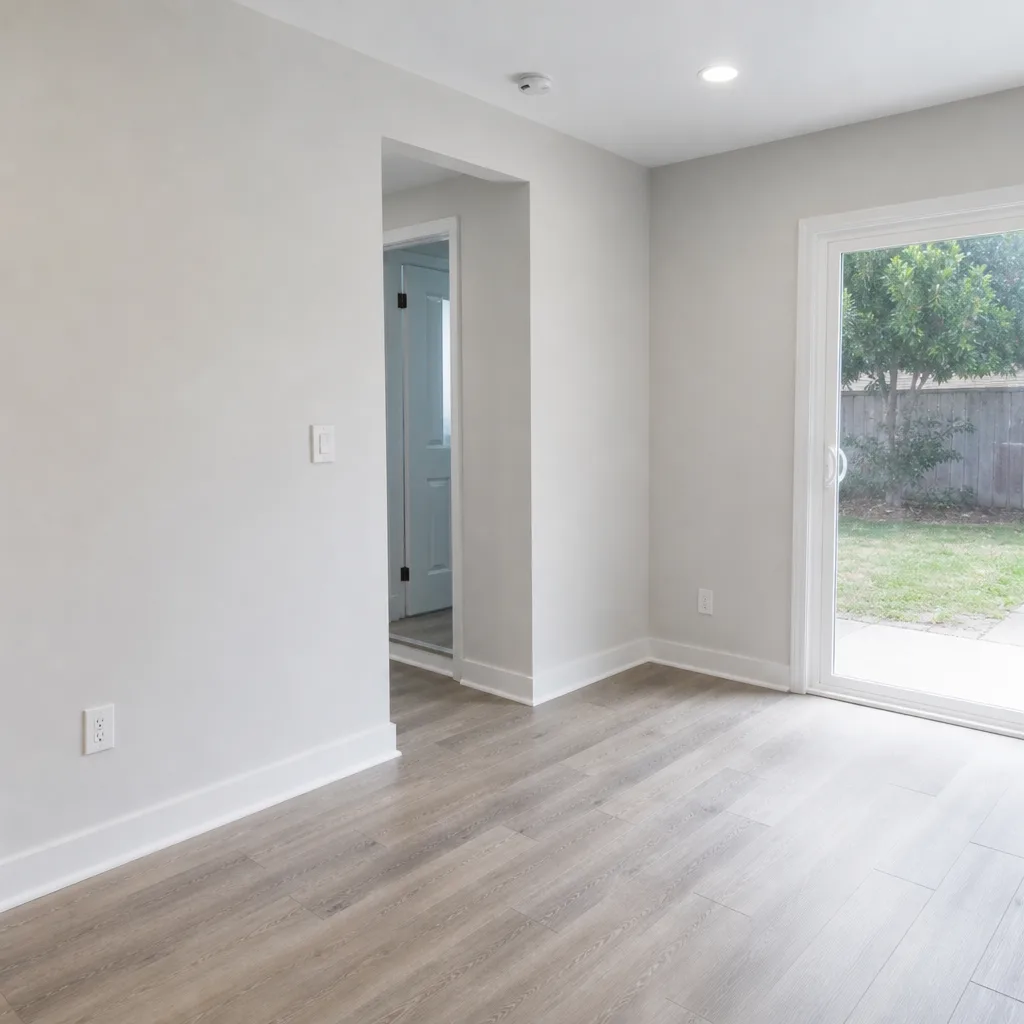 After
After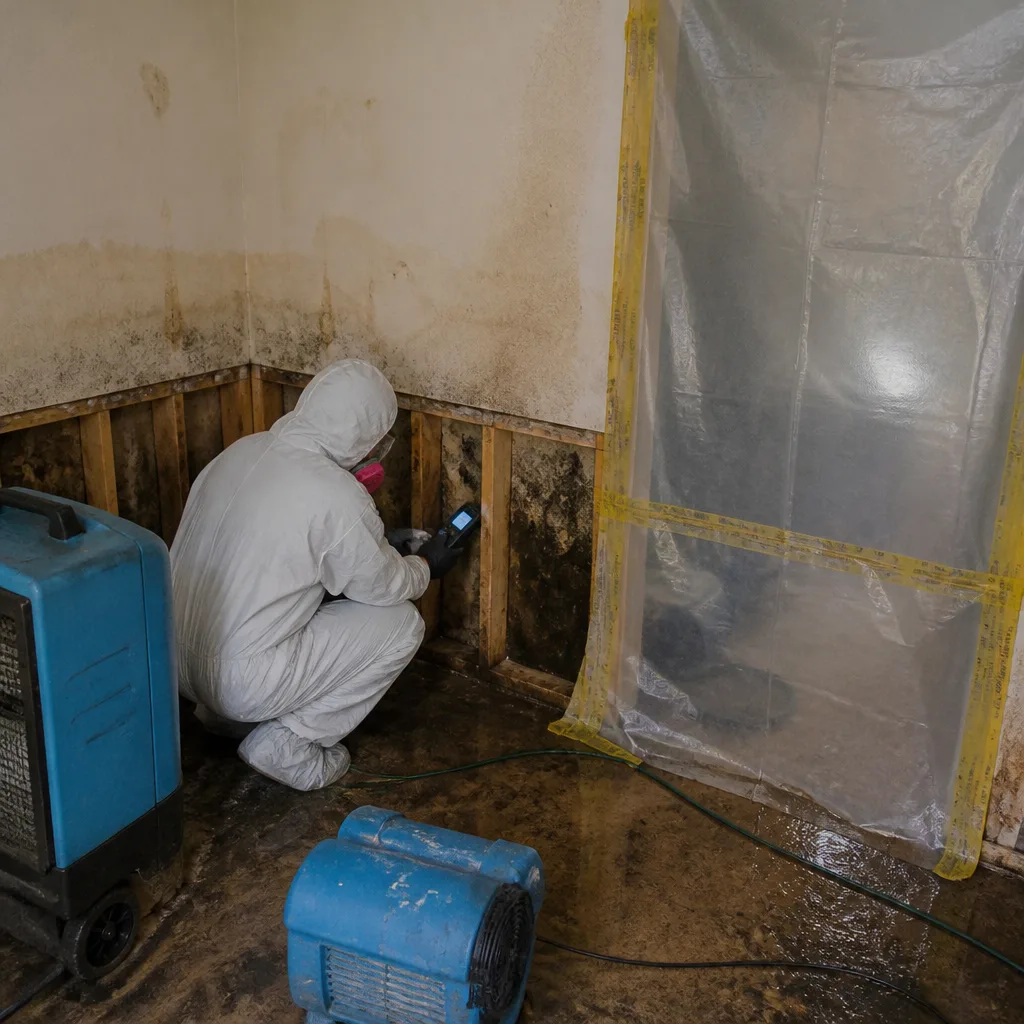 Before
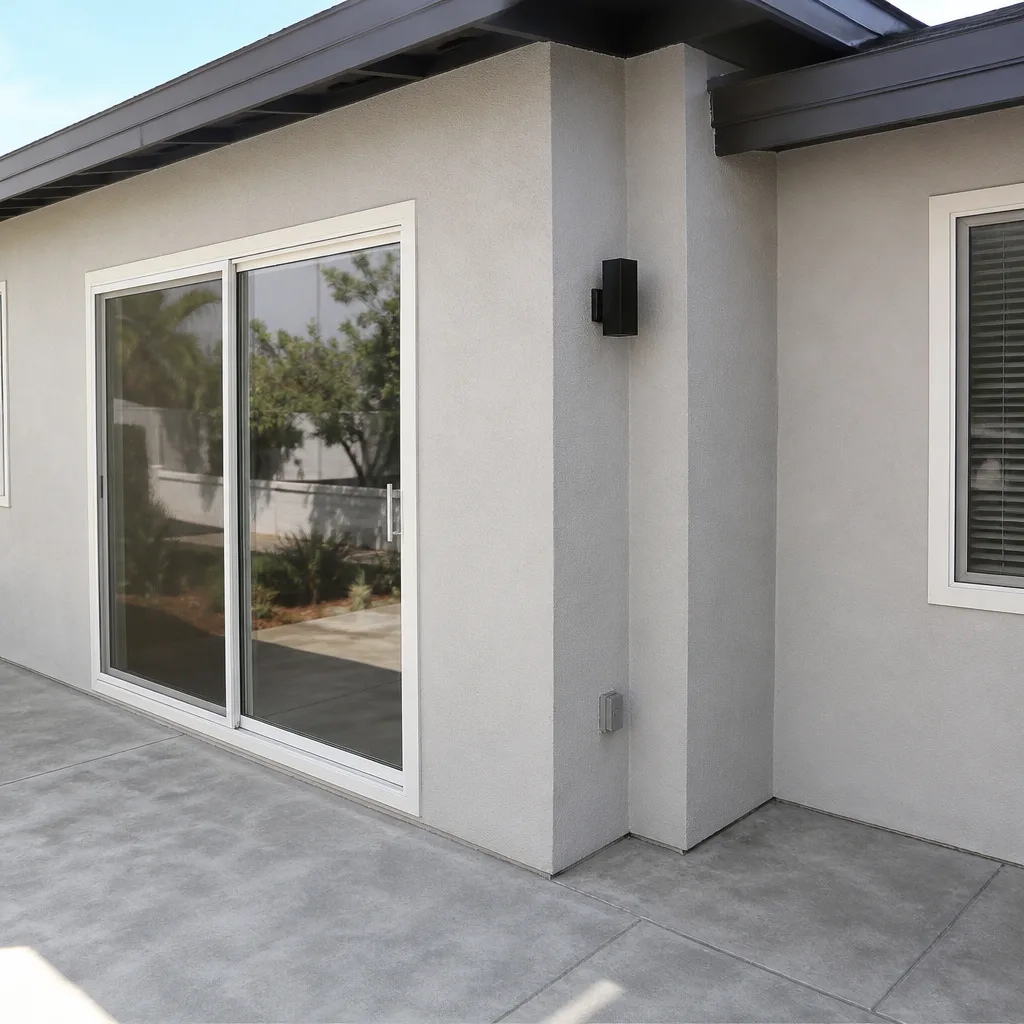 After
AfterFrequently Asked Questions
You need a permit if the drywall you’re replacing covers plumbing, electrical, structural framing, or HVAC components, because opening and repairing those systems triggers permit requirements under California Building Code. Drywall replacement over areas with no concealed systems, like a simple partition wall with no utilities, is typically code-exempt. If you’re not sure whether your wall has concealed systems, call the San Diego Development Services Department or have a licensed contractor check before work starts.
Unpermitted restoration work can void coverage for future claims involving the same area of the home, because the insurer will argue the prior unpermitted repair caused or contributed to the new loss. Insurance policies typically exclude losses caused by faulty workmanship or construction defects, and unpermitted work is treated as presumptively faulty. The cleanest way to protect your insurance file is to pull permits for all required restoration work and keep the signed permit records with your policy documents.
Under California building code, a repair is restoring a component to its original condition with no change in size, material, or function, and many small repairs are permit-exempt. A replacement is installing new material or equipment, and any replacement that changes size, material, routing, or capacity triggers a permit requirement. This distinction matters most with plumbing and electrical work on water damage restoration projects, where the line between repair and replacement is often crossed unintentionally.
Mold remediation itself typically does not require a building permit in San Diego, but the reconstruction that follows often does, especially if the remediation involved removing drywall over plumbing, electrical, or structural framing. California Health and Safety Code 17920.3 also creates disclosure requirements for mold conditions, which means you need documentation of the remediation even if no permit was required for the mold removal itself. Without that documentation, you’ll struggle to satisfy disclosure obligations when you sell.
The full permit sequence for a typical water damage restoration in San Diego, from application through final inspection, takes two to six weeks depending on scope. The actual inspections are quick, often 20 to 40 minutes each, but plan review, scheduling, and correction cycles add time. Larger structural jobs take longer. The timetable is predictable, and a contractor who knows San Diego’s inspection process can usually hit it within a week or two of the estimated schedule.
Selling a San Diego home with unpermitted restoration work typically triggers disclosure obligations under California Civil Code 1102, and buyers can use the unpermitted work to negotiate price reductions or cancel the deal entirely. Lenders may refuse to finance a property with significant unpermitted work, and title companies increasingly flag open permits or unpermitted modifications during the title search. The unpermitted work doesn’t disappear when you sell. It becomes a negotiating chip in the buyer’s hands.
The Bottom Line
Damage restoration permits in California aren’t paperwork for paperwork’s sake. They’re the proof that the work was done to current code, that the inspection happened, and that the repair will stand up to an insurance adjuster, a home inspector, or a future buyer’s attorney. San Diego homeowners face specific upgrade triggers in older homes, specific disclosure rules for mold, and specific permit requirements that vary by trade. The contractors who tell you permits aren’t necessary are usually wrong, and they’re rarely the ones who will be around to help when the missing paperwork becomes a problem. Get the scope in writing, know what needs a permit, pull the record, and keep it forever, and explore our more guides & resources for San Diego homeowners. That’s the whole game.
Written by Blake Sorensen, Owner at Wendell Restoration San Diego, serving San Diego since 2006.