
Last updated October 16, 2026
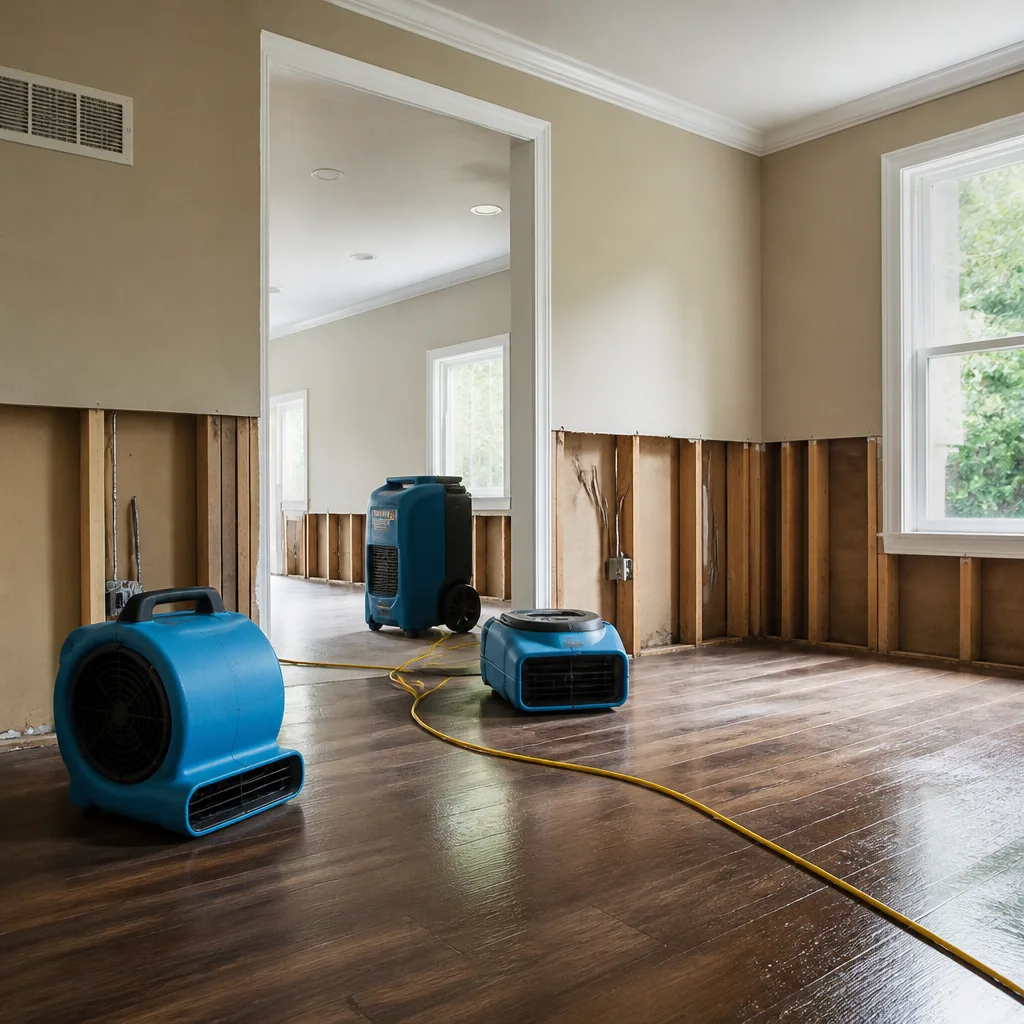 Water damage drying
 Fire & smoke cleanup
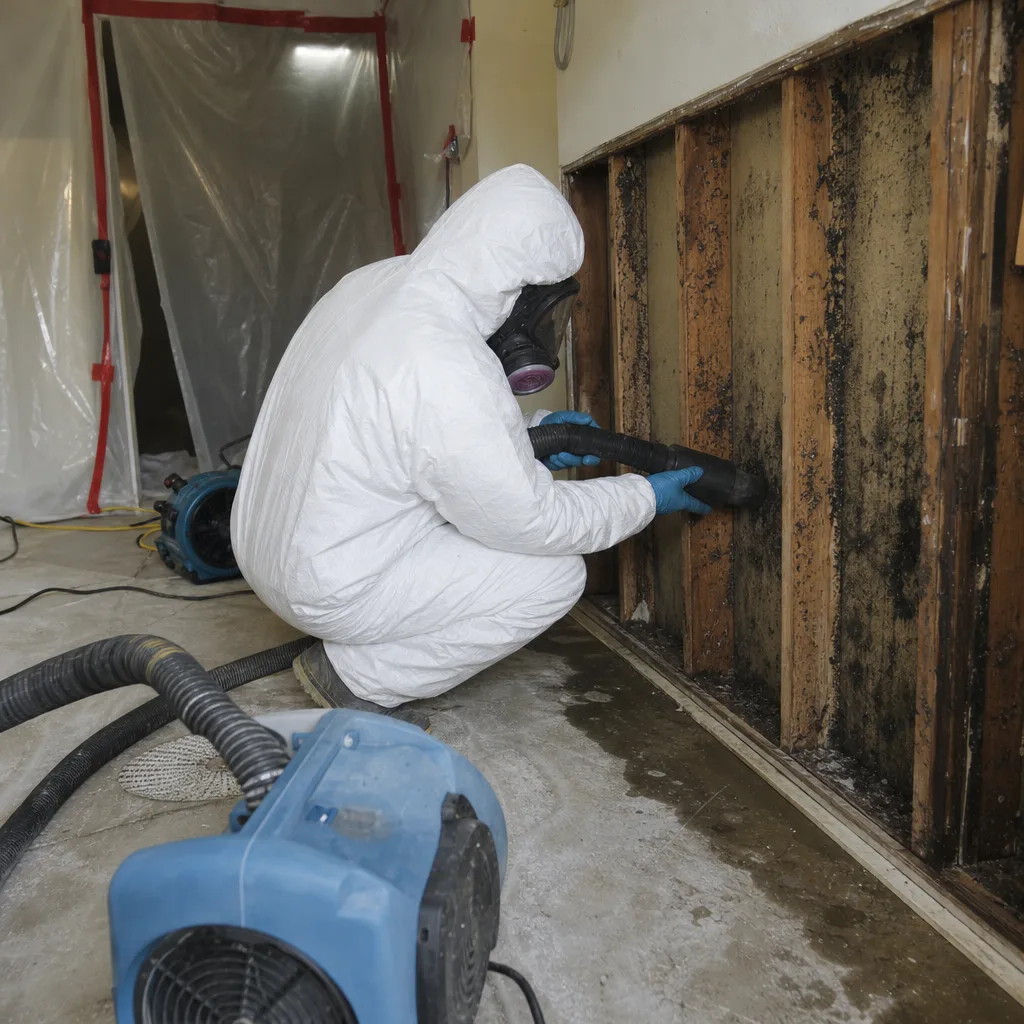
 Mold remediation
 Storm response
 Sewage cleanup
 Reconstruction
Free visual inspection and a written scope of work before any mitigation begins - photos, moisture readings, and drying logs go in your claim file
The scope we write is the scope we bill. Anything new gets shown to you, in writing, before we touch it.
Get your free estimateHow to Hire a Damage Restoration Contractor in San Diego: A Step-by-Step Guide
California’s Contractors State License Board received over 18,000 complaints in a recent year, and restoration contractors who chase storms and floods are among the most reported. Here’s why that matters for San Diego homeowners: the worst operators don’t look shady at first. They look helpful, they show up fast, and they hand you a pen before you’ve had time to think. This guide slows that moment down. By the time you finish reading, you’ll know the exact license numbers to check, the four documents to demand before any work starts, the one contract you should never sign, and how to spot a storm-chaser in the first five minutes.
Quick Answer
To hire a damage restoration contractor in San Diego, verify their California CSLB license classification online (C-61/D-64 for water damage, C-22 for mold remediation, B for reconstruction), confirm the individual technician’s IICRC certification using their name, not just the company’s, and get a written price and scope of work before any equipment enters your home. Never sign an Assignment of Benefits agreement. A legitimate contractor will hand you four documents before starting: a written estimate, a scope of work, an arrival schedule, and a photo documentation protocol.
Restoration work we handle
Table of Contents
- Check the California License Before You Call Back
- Verify the Technician’s IICRC Certification, Not Just the Company’s
- The Four Documents You Need Before Work Begins
- Why You Should Never Sign an Assignment of Benefits
- San Diego-Specific Red Flags: Storm-Chasers and El Niño
- How to Read a Restoration Estimate in San Diego
- Working With Insurance: What a Good Contractor Should Do
- The 12 Questions to Ask Before Anyone Touches Your Wall
Check the California License Before You Call Back
This step takes under two minutes and eliminates most of the bad actors in San Diego before you ever let them through your front door. Every contractor performing restoration work in California for projects over $500 in labor and materials must hold a valid license from the Contractors State License Board (CSLB). And here’s what most homeowners don’t know: the specific license classification matters as much as having a license at all.
In California, water damage restoration falls under the C-61/D-64 classification, which is a limited specialty for “non-structural water damage remediation.” Mold remediation requires a C-22 license. If the job involves rebuilding drywall, flooring, or any structural component, the contractor needs a General Building (B) license or an appropriate specialty classification. A company holding only a C-61/D-64 cannot legally rebuild the wall they just tore open. They’d need to bring in another contractor, which fragments accountability and complicates your claim.
How to Verify a License in Under Two Minutes
- Go to cslb.ca.gov and click “Check a License”
- Enter the contractor’s name or license number
- Confirm the license status is “Active” and not “Suspended” or “Revoked”
- Check the “Classifications” field to confirm they hold the right one for the work you need
- Look at the “Bond” section to confirm their contractor’s bond is active
- Read the “Workers’ Comp” field, which by law must show coverage if they have employees
In San Diego specifically, we see unlicensed operators working under what they call “handyman” arrangements to dodge the licensing requirement. A handyman in California can legally work on projects under $500, but water damage restoration never stays under $500 once you’re dealing with saturated drywall, baseboards, and the drying equipment needed to prevent mold. If someone offers to “do it cash, no license needed to save you money,” that’s not a discount. That’s a liability with your name on it.
When you call Wendell Restoration San Diego home or any other restoration company, asking for their CSLB number should be a non-event. A legitimate business recites it from memory. A storm-chaser hesitates, changes the subject, or tells you licenses are “just paperwork.” In our experience, the silence on that question is the loudest red flag there is.
Verify the Technician’s IICRC Certification, Not Just the Company’s
The Institute of Inspection, Cleaning and Restoration Certification (IICRC) sets the standard for water damage restoration. It’s the credential that separates trained professionals from someone with a truck and a fan. But here’s what most homeowners miss: a company can advertise IICRC certification while sending uncertified laborers to your house. The certification belongs to individuals, not companies. Ask for the name of the specific technician who will be doing the work, then verify that person’s certification directly at iicrc.org/locate-a-certified-professional or by calling the IICRC at (858) 988-6639.
Why does this matter for your home? Because a properly certified technician has completed coursework in psychrometric drying, which is the science of tracking moisture levels in the air and building materials so your home is actually dry, not just surface-dry. A fan from Home Depot will dry what you can see. It won’t dry the wall cavity where mold starts growing in San Diego’s coastal humidity.
When our technicians arrive at a home in San Diego, they follow IICRC, RIA, and IFA standards using equipment from Dri-Eaz and similar professional manufacturers. These are the same machines and protocols used on large commercial loss sites. The certification matters because it changes how the equipment is placed, how long it runs, and when the professional says “done.” A technician who can’t explain why they’re placing a dehumidifier in a specific spot probably didn’t go through the training.
Ask the company: “Who is the lead technician on my job, and can I see their IICRC certification number?” If the company stumbles, that’s your answer. Water Damage Restoration in San Diego should be performed by a certified individual, not just a certified-sounding company name.
The Four Documents You Need Before Work Begins
A legitimate damage restoration contractor in San Diego hands you paperwork before the first piece of equipment comes off the truck. If the contractor wants to start work with a verbal agreement and a promise to “figure out the details later,” stop right there. Here are the four documents that should be in your hands before anything else happens:
1. Written Estimate
This is the price. It should include line items for every major task: water extraction, equipment rental by day, drying monitoring, antimicrobial treatment, and any controlled demolition. In San Diego, you’ll typically see water damage restoration estimates ranging from $1,500 to $4,500 for a single room, though larger losses involving multiple rooms and structural drying can run $8,000 and up. The estimate should be specific enough that you can see what you’re paying for, not a lump sum with a “to be determined” note.
2. Scope of Work
The scope of work is the written description of what the contractor will and will not do. It should specify which walls get opened, which flooring gets removed, what drying equipment will be deployed, and where the job ends. In San Diego homes, scopes often include stucco exteriors that need cutting for ventilation, especially on older Spanish-style properties in neighborhoods like North Park or Mission Hills. If reconstruction is needed after mitigation, the scope should state clearly whether that work is included or whether it’s a separate contract.
3. Arrival Schedule
You need to know when the crew will arrive, not a vague “sometime tomorrow.” A written arrival schedule is a strong signal about how the company operates. This is something we do on every job: a live technician arrival time you can track, not a four-hour window. If a contractor can’t commit to a specific arrival window in writing before work begins, that pattern rarely improves once your house is opened up.
4. Photo Documentation Protocol
This is the document most homeowners never ask for, and it matters enormously for insurance. Before any work begins, the contractor should document the condition of every affected area with photographs, and they should commit to periodic photos during the work and a full set at completion. For insurance claims, this documentation is what supports your loss. In San Diego, where flood claims can involve FEMA, private flood insurance, and homeowner policies all at once, photographic evidence is not optional. Water Damage Repair in San Diego should include before-and-after photo updates by text as a standard part of the process, not an extra you have to request.
If a contractor calls one of these documents “unnecessary” or says they’ll get it to you “later,” find another contractor. Later never comes once the drywall is down.
Why You Should Never Sign an Assignment of Benefits
An Assignment of Benefits, or AOB, is a document that transfers your insurance claim rights to the contractor. You sign it, and now the contractor can bill your insurance company directly, negotiate the settlement, and even sue your insurer without involving you. In states where AOB abuse became rampant, such as Florida, it led to inflated claims, lawsuits, and ultimately higher premiums for everyone. California has tighter regulations, but some restoration companies in San Diego still try to slip AOB language into their contracts.
Here’s what to say when one is presented: “I’m not signing an AOB. I’ll work directly with my insurance company, and you can bill me for the work performed.” If the contractor pushes back, that’s a clear sign to walk away. A legitimate contractor works with your insurance company without taking control of your claim. They communicate with the adjuster, provide documentation, and bill you or the insurer according to the policy terms, but you remain the person in charge.
The AOB issue connects directly to billing transparency. A contractor who wants control of your claim often pairs an AOB with vague “time and materials” billing, which is exactly what it sounds like: they bill by the hour with no fixed total. In San Diego, we’ve heard from homeowners who signed time-and-materials agreements after a water heater failed mid-winter in La Jolla and ended up with invoices triple the original verbal estimate-something our Water Damage Restoration Maintenance Checklist for San Diego Homeowners helps prevent. A written price before any work starts eliminates this. If a company won’t put a number in writing before touching your home, they’re telling you something about how the final bill will go.
San Diego-Specific Red Flags: Storm-Chasers and El Niño
San Diego doesn’t get the hurricane headlines that Florida gets, but we have our own version of storm-chasers. They appear after heavy El Niño winters when atmospheric rivers dump rain across San Diego County, especially in neighborhoods like Mission Valley, which sits in a floodplain, and coastal communities like Pacific Beach and Ocean Beach where rising groundwater and storm surge push water into lower-level units-exactly the scenarios covered in our Seasonal Damage Restoration Care for San Diego: Year-Round Homeowner’s Guide. They often knock on doors uninvited, claim they were “in the neighborhood,” and insist you have visible damage even if you weren’t certain anything was wrong.
Storm-chasers share a predictable pattern. They arrive quickly after a weather event. They offer a “free inspection” that finds damage you didn’t know about. They pressure you to sign an agreement immediately because “prices go up when demand spikes.” And they’re frequently not licensed in California at all, or they’re using a borrowed license number from another state.
Another red flag specific to San Diego: unlicensed laborers used on permitted jobs. If your restoration project requires a permit, which is common for any structural rebuild in the City of San Diego, the workers performing that work must be employees of the licensed contractor or appropriately documented subcontractors. Ask the contractor who will physically be doing the work. If the answer is “a crew” without any specifics, ask again.
Here’s a list of San Diego-specific red flags to watch for:
- Door-to-door restoration offers after a heavy rain or El Niño event, especially in Mission Valley or coastal flood zones
- Out-of-state plates on work trucks combined with a California license that was issued the same week as the storm
- Time-and-materials billing with no cap, described verbally as “just how restoration works”
- Subcontractors whose licensing is never mentioned, with the project managed by someone who never visits the site
- Pressure to start immediately before you’ve had time to verify anything, paired with warnings about “mold growing right now”
- Cash-only discounts or offers to waive your deductible, which is insurance fraud in California
In our experience working across San Diego, the companies that do the best work are the ones that want you to take your time verifying them. The ones that want you to rush are running from something, and usually that something is their own track record.
How to Read a Restoration Estimate in San Diego
Understanding a restoration estimate requires knowing what you’re looking at, and San Diego pricing has its own character. Here’s a realistic picture of what water damage restoration costs in San Diego as of 2025, based on the work we see across the county:
| Service | Typical San Diego Range | Notes |
|---|---|---|
| Water extraction (single room) | $400 to $900 | Depends on water amount and floor type |
| Structural drying (per room, 3-5 days) | $900 to $2,800 | Includes equipment placement and monitoring |
| Antimicrobial treatment (per affected area) | $150 to $650 | Prevents mold growth post-drying |
| Baseboard and drywall removal (per linear foot) | $3 to $7 | Controlled demolition for access |
| Full bathroom flood remediation | $2,500 to $6,000 | Common after supply line failures |
| Mold remediation (per 100 sq ft affected) | $1,200 to $4,500 | Varies with containment requirements |
These are ballpark ranges, not quotes. Your specific situation depends on the water source category, the affected square footage, the drying time required, and the accessibility of the damage. A slab leak under a Mission Hills home built in the 1940s is a different job than a supply line break in a newer Otay Ranch build.
When you read the estimate, look for specificity. Vague line items like “mitigation services” or “as needed” are where surprise charges hide. A legitimate estimate breaks out equipment days, labor, materials, and any disposal fees. If you don’t understand a line item, ask. A contractor who can’t explain their own estimate in plain words isn’t the contractor you want.
Mold Remediation in San Diego typically involves additional costs for containment, air scrubbing, and clearance testing, which should be itemized separately from the initial drying work.
Working With Insurance: What a Good Contractor Should Do
Insurance is almost always in the room during a restoration project, even if you haven’t filed a claim yet. A good contractor in San Diego should make the insurance process easier, not more confusing. Here’s what that looks like in practice:
First, the contractor should be willing to communicate directly with your adjuster. This doesn’t mean taking over the claim, which is the AOB problem we covered earlier. It means providing the adjuster with clear documentation, photos, and the scope of work so the claim can be processed accurately. In San Diego, adjusters are often juggling multiple claims after a weather event, and a contractor who provides clean documentation helps your claim move faster.
Second, the contractor should offer photo documentation as a standard part of the process. Before-and-after photos are not just for your records. They’re evidence. They support the claim, they document the work, and they provide a record if something is disputed later. This is something we do on every job: before-and-after photo updates by text so you can see the progress without wondering what happened inside your own walls.
Third, the contractor should be upfront about what insurance typically covers and what it doesn’t. In San Diego, standard homeowner policies cover sudden and accidental water damage, like a burst supply line or an overflowing washing machine. They typically do not cover gradual leaks, groundwater seepage, or flood damage from rising water, which requires a separate flood insurance policy through the National Flood Insurance Program. A contractor who suggests ways to “make it look sudden” for coverage is proposing insurance fraud, and you should end that conversation immediately.
Finally, the contractor should give you a written price that stands regardless of what the insurance company ultimately pays. Insurance claims can take weeks or months to settle. Your contract with the restoration company should not be tied to the claim outcome. You need to know what the work costs from the beginning, not what the insurer “allows.”
The 12 Questions to Ask Before Anyone Touches Your Wall
Here’s the complete list of questions to run through before signing anything. A legitimate contractor answers all twelve without hesitating. A problem contractor starts hedging around question three.
- What is your CSLB license number, and what classifications do you hold? Then verify it at cslb.ca.gov while they watch. A real contractor won’t flinch.
- Who is the lead technician on my job, and what is their IICRC certification number? The certification belongs to the person, not the company.
- Can you give me a written price before any work starts? This is the one question that separates transparent operators from everything else. If the answer is anything other than yes, walk away.
- What is your scope of work in writing? You need to know what’s included and what’s not before demolition starts.
- Will you provide before-and-after photos and documentation for my insurance claim? If no, how do they plan to support your claim?
- Do you require an Assignment of Benefits? Correct answer: no, and we don’t use them.
- What drying equipment will you use, and how will you know my home is actually dry? Look for terms like psychrometric drying and moisture content readings. Vague answers about “fans” are a problem.
- What is your arrival schedule, and can I track it? A specific time, not a four-hour window.
- Do you have workers’ compensation insurance for your crew? If a worker is injured in your home and the contractor lacks coverage, you may end up on the hook.
- Who is doing the physical work? Employees of the licensed contractor, or unverified subcontractors? Be specific.
- What guarantee do you provide on your work? Get the exact wording in writing. On every job, we provide a written 365-Day Done Right Promise: if it’s not done right, we make it right.
- What happens if the repair fails? Our answer is a free second visit if the repair fails. Ask if theirs has anything comparable.
These questions aren’t confrontational. They’re the same questions a sophisticated property manager asks before hiring a restoration company. In San Diego, where the housing stock ranges from 100-year-old craftsman homes in Golden Hill to beachfront properties in Coronado, the answers to these questions matter differently for every job, which is exactly why asking them matters.
Common Mistakes to Avoid
- Hiring the first company that answers the phone without checking their license. Speed is important during a water loss, but the two minutes it takes to check the CSLB is shorter than the months it takes to fix a bad remediation job.
- Signing an AOB because it seems easier. You’re signing away control of your claim. Never do it. Any contractor in San Diego who insists on one should be replaced immediately.
- Accepting a verbal estimate. If the price isn’t in writing, it doesn’t exist. Every day, San Diego homeowners discover this the hard way when the final invoice arrives.
- Assuming a company’s IICRC certification covers every technician who shows up. Certifications belong to individuals. Ask for the specific technician’s credential.
- Choosing time-and-materials billing because it feels “flexible.” It’s flexible only in one direction. A written price is the only price that doesn’t change while your walls are open.
- Skipping the photo documentation step. Insurance claims need evidence. Without photos, your claim becomes a negotiation between your word and the insurer’s assumptions.
- Falling for storm-chasers after El Niño events. If someone knocks on your door in San Diego after a heavy rain and wants to inspect your property for free, they’re not doing you a favor. They’re looking for a project.
- Not checking workers’ compensation coverage. In California, if an uninsured worker is hurt on your property, you may bear the liability. This isn’t a paperwork formality.
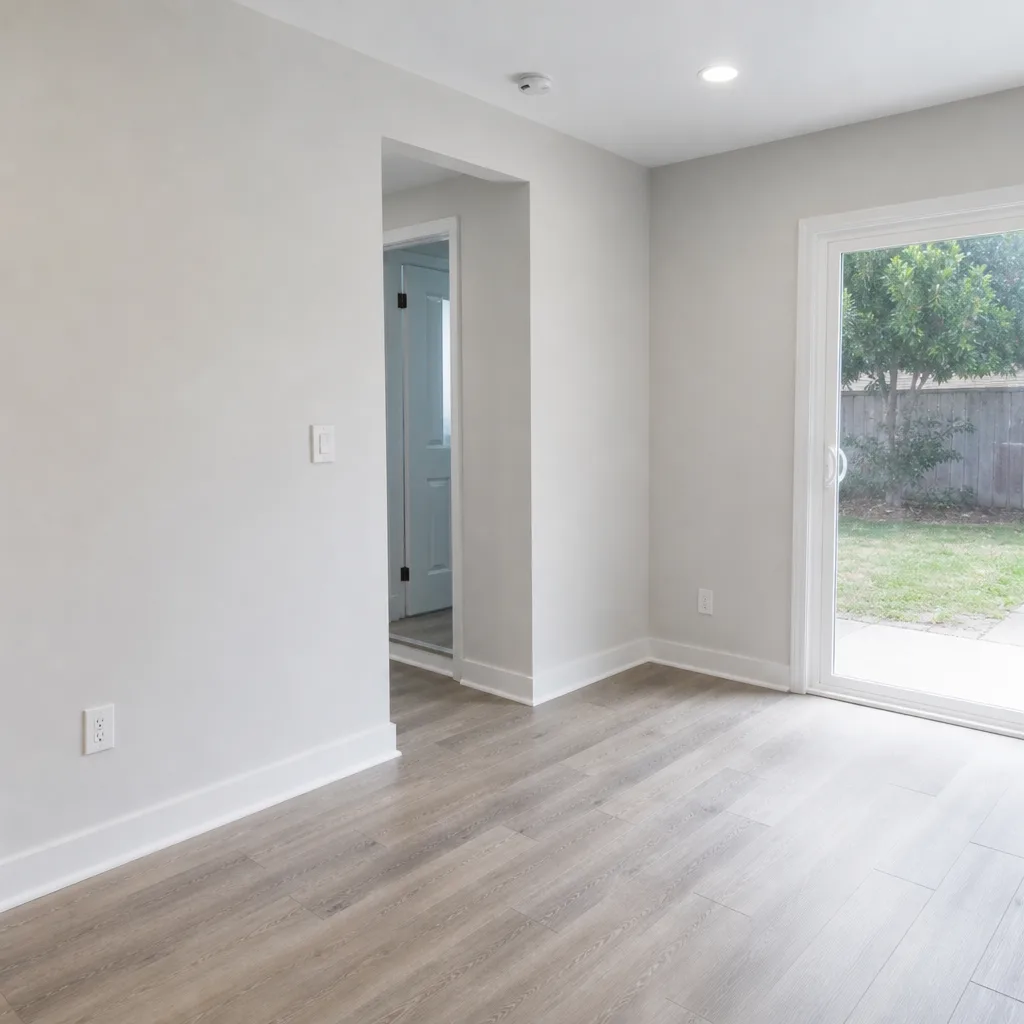
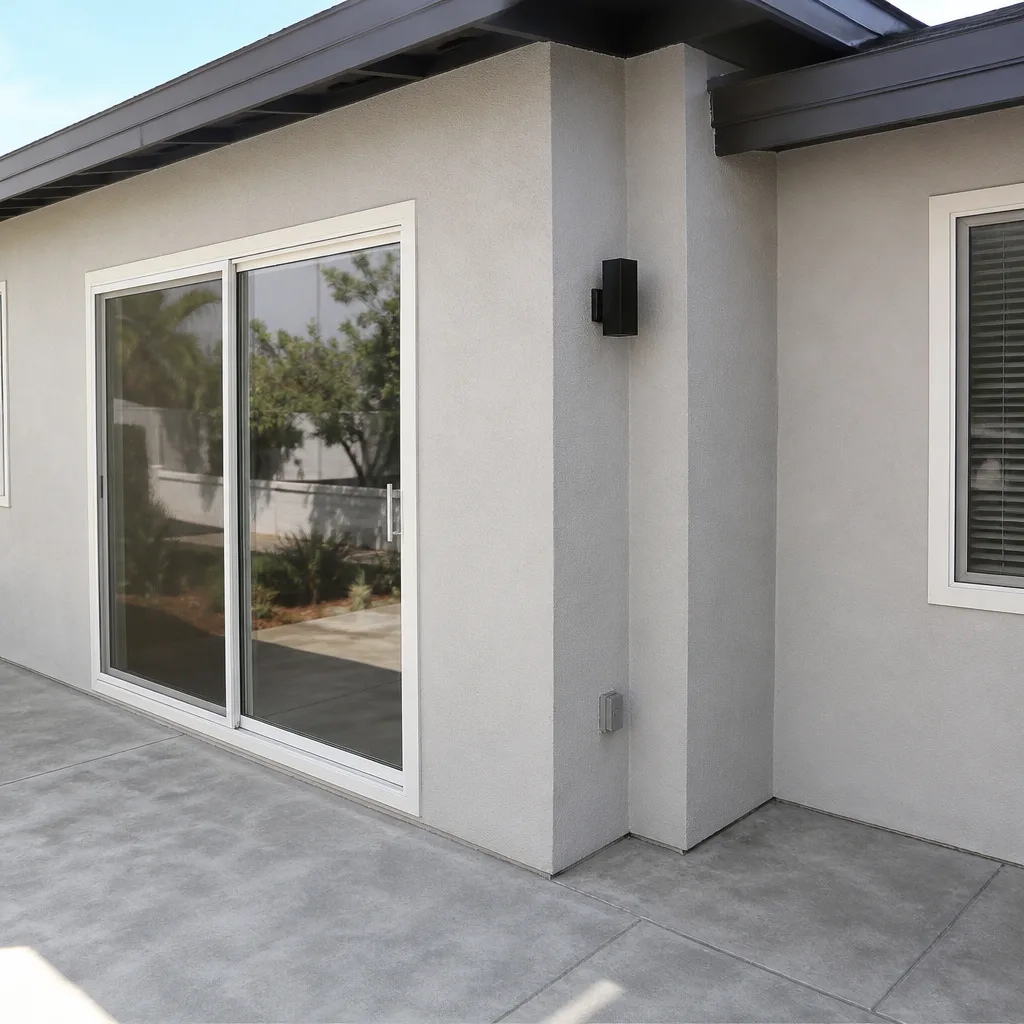
See the difference
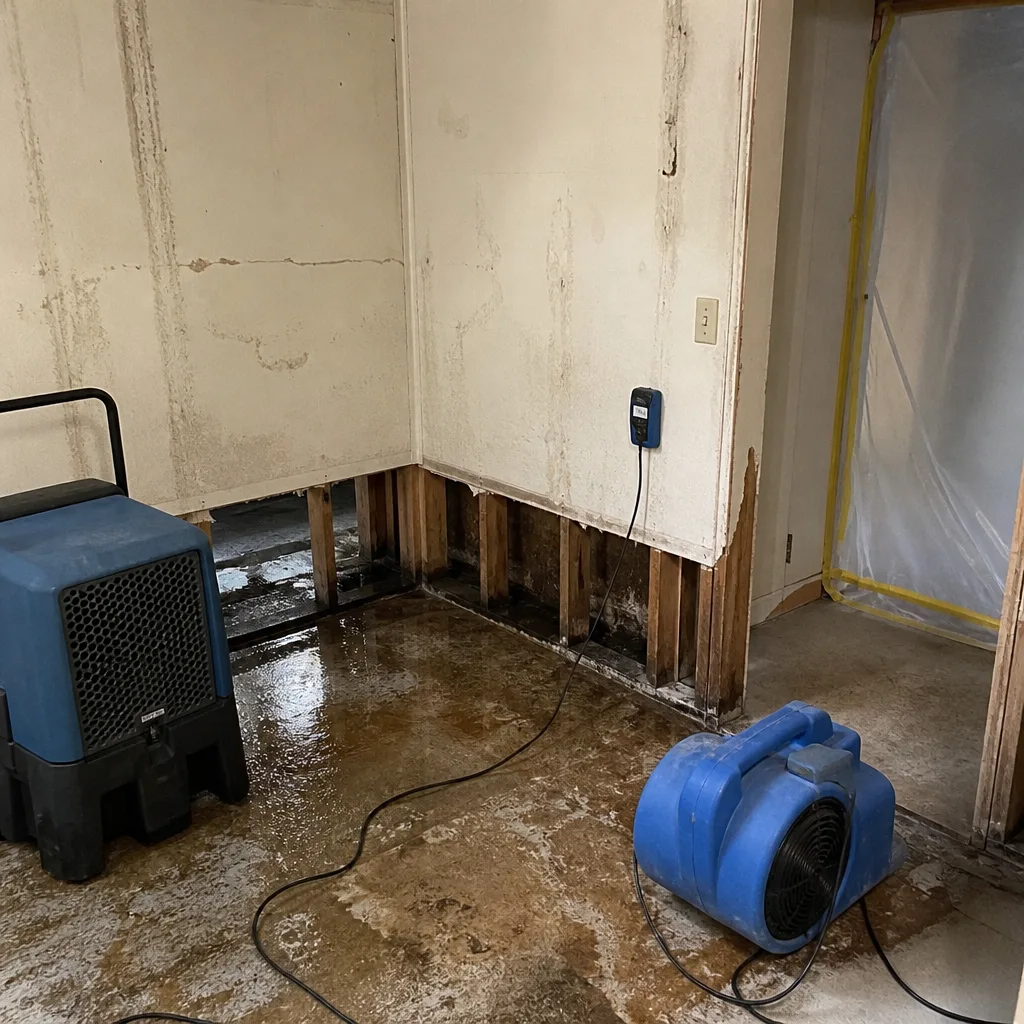 Before
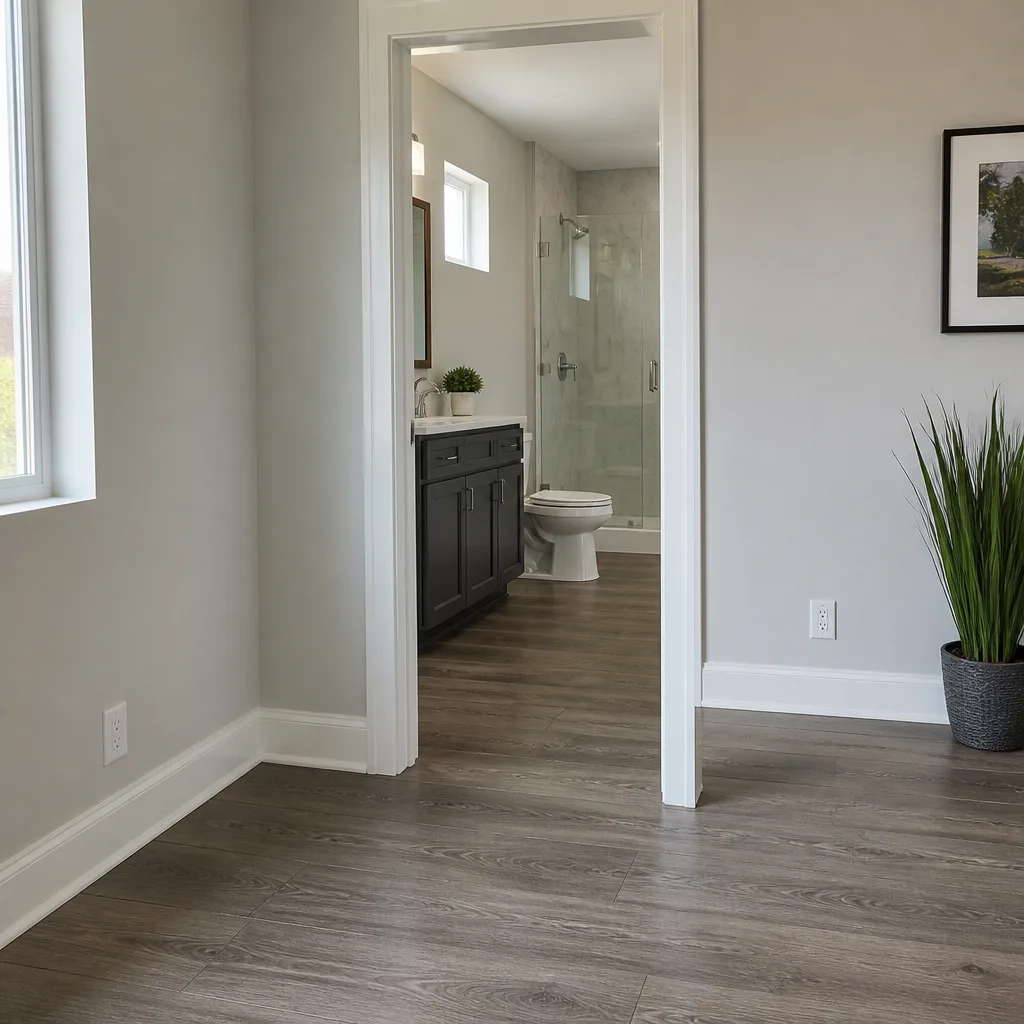 After
After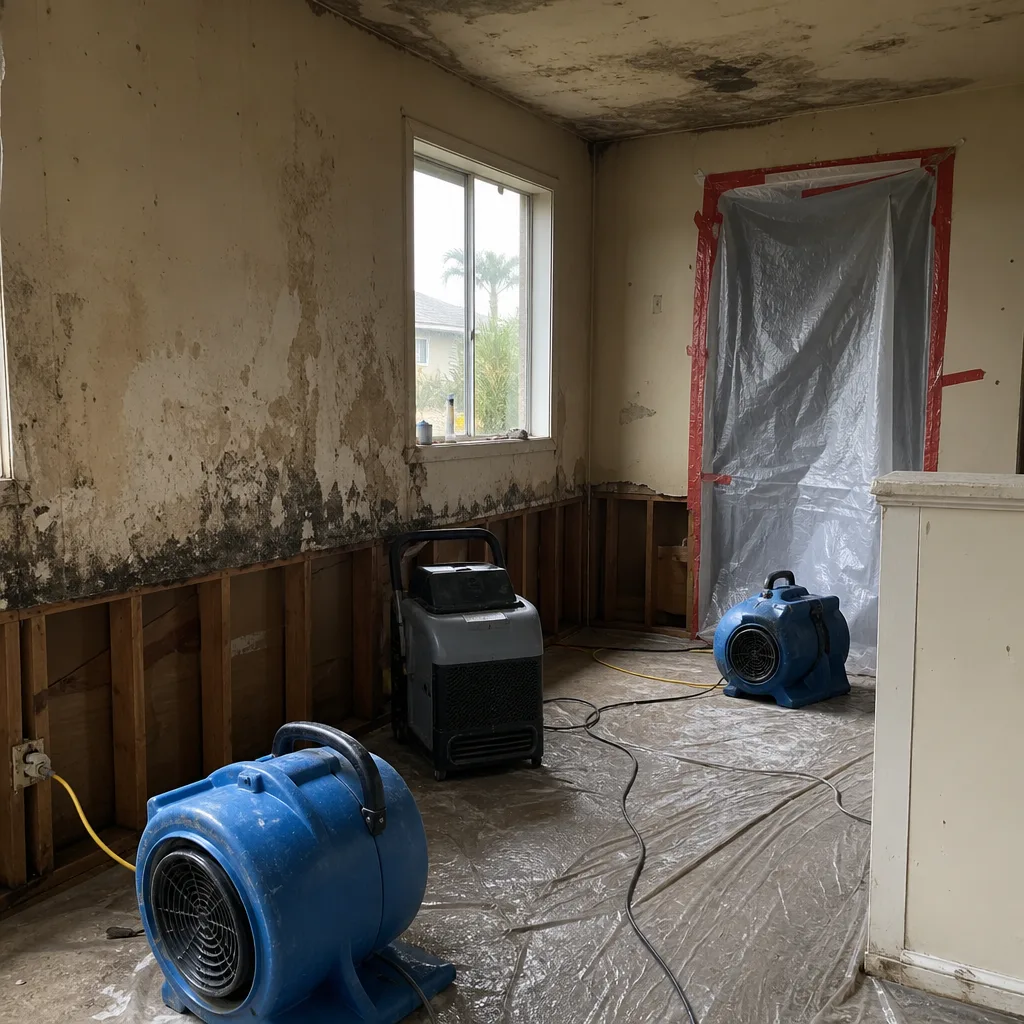 Before
 After
After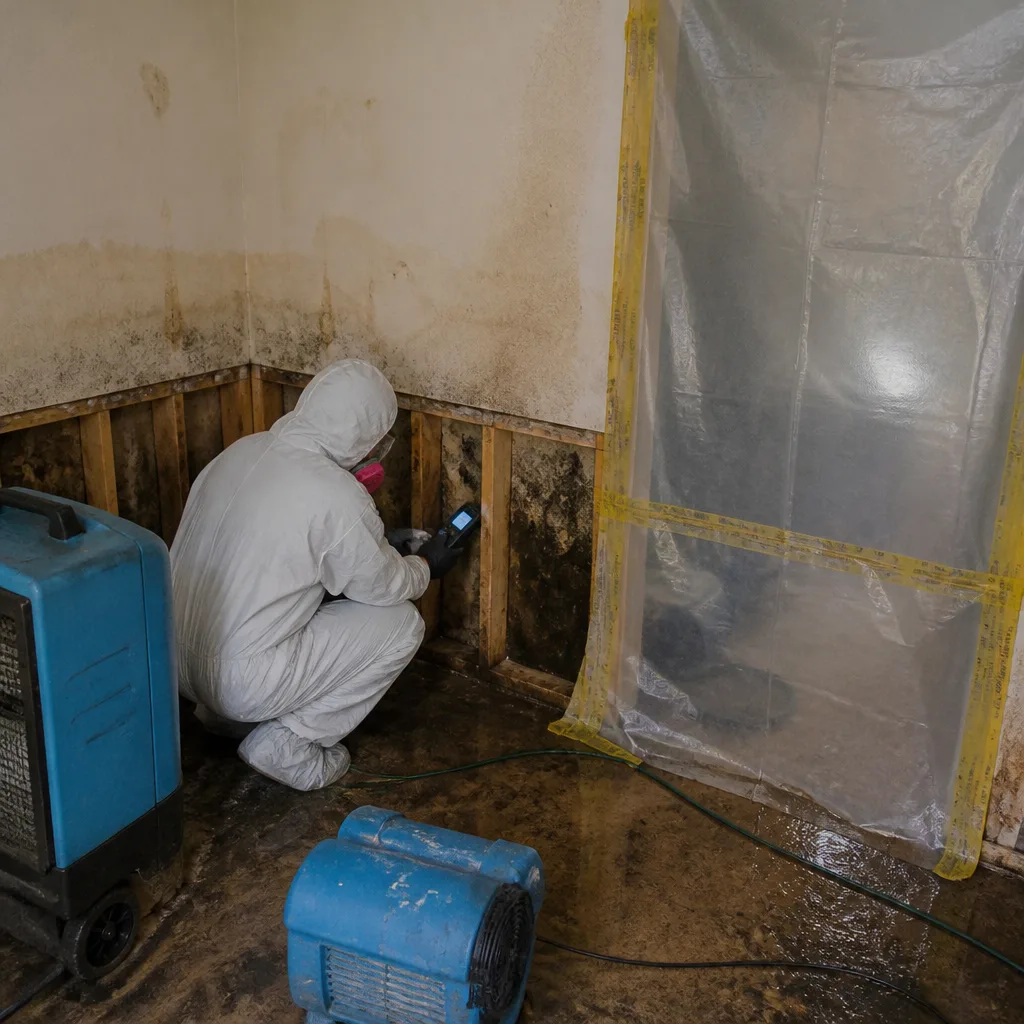 Before
 After
AfterWhen to Call a Professional
Water damage is not a wait-and-see situation. If you have standing water, water seeping through drywall, a musty odor developing within days of a leak, or any visible mold growth on porous materials, you need a professional. San Diego’s coastal humidity accelerates mold growth, especially in beach communities where the air is moist year-round. A small leak that sits unattended becomes a mold problem faster here than it would in the desert. If water has touched drywall, insulation, or flooring for more than 24 hours, the affected materials almost certainly need professional drying or replacement. If you’re unsure whether your situation warrants a professional, it costs nothing to ask. Wendell Restoration San Diego offers free estimates in San Diego, call (858) 988-6639, and we’ll tell you straight whether the job needs equipment or if you’re fine with a fan and a day of open windows.
Frequently Asked Questions
Check the Contractors State License Board website at cslb.ca.gov, search the company name or license number, and confirm the status is Active with the correct classification for the work being performed. Water damage restoration requires C-61/D-64, mold remediation requires C-22, and structural rebuilds require a B classification. The whole check takes under two minutes.
An Assignment of Benefits is a contract that transfers your insurance claim rights to the contractor, and you should never sign one. It gives the contractor control over your claim, including the right to bill your insurer directly and even sue them. Legitimate restoration companies in San Diego work with your insurance company without taking control of your claim. Call (858) 988-6639 for guidance on working with your adjuster.
Water damage restoration in San Diego typically ranges from $1,500 to $4,500 for a single room, with larger jobs involving multiple rooms or structural drying running $8,000 or more. The variables include the water source category, affected square footage, drying time, and whether mold remediation is also required. A detailed written estimate should break out every line item before work begins.
No, not if the water has penetrated walls, flooring, or insulation. Household fans dry surface moisture but don’t touch wall cavities where mold grows. Professional restoration uses psychrometric drying, which involves tracking moisture levels in air and materials with professional equipment from companies like Dri-Eaz until the structure is actually dry, not just surface-dry. In San Diego’s coastal climate, incomplete drying leads to mold within days.
Most San Diego homeowner policies cover sudden and accidental water damage, such as a burst supply line or an overflowing appliance. They typically exclude gradual leaks, groundwater seepage, and flood damage from rising water, which require separate flood insurance. A good contractor will help you document the damage accurately but will never suggest misrepresenting the cause to get coverage.
Within 24 to 48 hours, ideally sooner. San Diego’s humidity, especially in coastal neighborhoods, means mold can begin forming quickly once porous materials are saturated. Any water that’s been sitting for more than 24 hours should receive a professional assessment. A good restoration company will schedule a technician with a specific arrival time rather than a four-hour window. Call (858) 988-6639 and you’ll speak to a live person who can give you a real answer about timing.
The Bottom Line
Hiring a damage restoration contractor in San Diego is a one-time decision with long-term consequences, and doing it under stress makes it harder, not easier. Slow the moment down. Check the license at cslb.ca.gov. Verify the technician’s IICRC credential by name. Demand a written price, a written scope, a written schedule, and a photo documentation protocol. Never sign an Assignment of Benefits. If the contractor balks at any of these, keep looking. A legitimate restoration company welcomes the scrutiny because it’s the same scrutiny they’d apply to their own home. For more guides & resources, visit our blog. In San Diego, where the housing stock varies block by block and the climate works against you, the questions you ask before hiring are the difference between a professional restoration and an expensive mistake.
Written by Blake Sorensen, Owner at Wendell Restoration San Diego, serving San Diego since 2006.