
Last updated October 16, 2026
 Water damage drying
 Fire & smoke cleanup
 Mold remediation
 Storm response
 Sewage cleanup
 Reconstruction
Free visual inspection and a written scope of work before any mitigation begins - photos, moisture readings, and drying logs go in your claim file
The scope we write is the scope we bill. Anything new gets shown to you, in writing, before we touch it.
Get your free estimateSeasonal Damage Restoration Care for San Diego: Year-Round Homeowner’s Guide
October in San Diego is actually your highest-risk month for water damage, and most homeowners never see it coming. The Santa Ana winds have been quietly drying out roof membranes and flashing for weeks, creating hairline gaps that haven’t leaked yet because there’s been no rain to test them. Then the first real storm of the season hits a drainage system that hasn’t moved meaningful water in six months, and the leak you discover at 2 a.m. isn’t a sudden failure, it’s a slow-build consequence of San Diego’s peculiar seasonal cycle. This guide maps that cycle month by month so you can act before the damage does, not after.
Quick Answer
Seasonal damage prevention in San Diego comes down to three timed actions: a roof and drainage inspection every September before the first rains, marine layer moisture control in coastal crawl spaces from May through August, and a post-Santa Ana wind check of roof tiles, stucco, and HVAC vents before each rain event. In El Niño forecast years, add gutter capacity checks and exterior wall sealing in October. Each of these beats the alternative: a $4,000 to $9,000 water damage restoration job that could have been a $400 pre-season fix.
Restoration work we handle
Table of Contents
- The San Diego Damage Calendar: Month by Month
- Marine Layer Moisture: The Invisible Wet Season
- Pre-Rainy Season Prep: September and October
- Post-Santa Ana Wind Inspection Checklist
- El Niño vs. La Niña: How the Forecast Changes Your November
- Flat and Low-Slope Roofs: The Mid-Century Ranch Problem
- Crawl Spaces and Wall Cavities: Where Hidden Mold Starts
- Common Mistakes to Avoid
- When to Call a Professional
- Frequently Asked Questions
The San Diego Damage Calendar: Month by Month
San Diego’s seasons don’t follow the four-season model most homeowner checklists are written for. We don’t have freeze-thaw cycles, we don’t have snow load, and we don’t have a true monsoon. What we have is a predictable rotation of three forces: the marine layer, the Santa Anas, and episodic El Niño-driven rain. Each one stresses different parts of your home at different times of year.
January through March: Rain Season Reality. This is when San Diego gets the bulk of its annual rainfall, typically 9 to 12 inches total, concentrated into a handful of intense events rather than spread evenly. The soil around your foundation saturates, and hydrostatic pressure builds against below-grade walls. Flat roofs and low-slope roofs, common on the mid-century ranch homes in Clairemont, Allied Gardens, and San Carlos, pond water during extended drizzle and find every seam. This is the season when water damage restoration in San Diego call volume peaks.
April and May: The Transition Gap. Rains taper off, but the ground is still damp, and the first warm days of spring create exactly the conditions mold needs: moisture plus temperature. Crawl spaces that got wet in February and were never properly dried stay damp under the house for weeks. This is when we see the highest number of mold discoveries in San Diego homes year after year.
June through August: Marine Layer Season. Coastal neighborhoods from Point Loma to Carlsbad sit under the marine layer for 200 to 300 hours per month during these months. Sustained relative humidity above 85% drives moisture into crawl spaces, attics, and wall cavities without a single drop of rain falling. For homes within about three miles of the coast, this is actually the highest mold-growth risk window of the entire year. Inland neighborhoods like El Cajon and Santee face the opposite problem: extreme dry heat that bakes roof sealants and shrinks wood framing, creating gaps that will leak when the rains return.
September and October: Santa Ana Season Begins. The winds start, typically peaking in October and November. Santa Anas are dry, hot, and sustained, sometimes gusting to 60 mph in the foothills and canyons. They pull moisture out of roofing materials, causing membranes to shrink and crack. They lift tiles, peel back flashing, and drive dust and debris into HVAC intakes. And critically, they arrive right before the first significant rains of the new season. The damage they cause doesn’t show up as a leak until November.
November and December: First Rains. The first heavy rain after six dry months is the most damaging event of the year in San Diego. Drainage systems that have been idle since April are clogged with dust, leaves, and debris. Roof penetrations that dried out during Santa Ana season are now wide enough to admit water. Downspouts that worked fine in March are now blocked at the elbow. This is when wind damage from October becomes water damage in November.
Marine Layer Moisture: The Invisible Wet Season
From May through August, coastal San Diego homes don’t look wet, but many of them are. The marine layer sits over neighborhoods like Ocean Beach, Pacific Beach, La Jolla, and Del Mar for hours each morning and often doesn’t burn off until early afternoon. Relative humidity stays at or above 85% for extended periods. And here’s what most homeowners don’t realize: mold doesn’t need liquid water to grow. It needs sustained relative humidity above about 60% on a surface, and the marine layer provides that for months.
In our experience with mold remediation in San Diego, we consistently find the same pattern: crawl spaces with exposed dirt floors in coastal homes develop mold on floor joists and subflooring by late summer, even in years with below-average rainfall. The moisture comes from the air, not the ground. The same happens in wall cavities where bathroom exhaust fans vent into the attic or where kitchen range hoods don’t vent to the exterior at all. That warm, humid air meets the cooler marine layer air inside the wall and condenses. No leak required.
What to do about it, seasonally:
- May: Check that all bathroom exhaust fans actually vent to the exterior. In homes built before 1990 in San Diego, a surprising number vent directly into the attic. This is a $200 to $400 fix that prevents thousands in mold remediation.
- June: If you have a crawl space, check the vapor barrier. It should cover 100% of the dirt floor, with seams overlapped and sealed. In coastal neighborhoods, an upgraded 10-mil or 12-mil barrier with sealed seams is worth the extra cost.
- July and August: Run a dehumidifier in any below-grade space or crawl space that consistently reads above 60% relative humidity. A $250 dehumidifier is cheaper than the $3,000 to $6,000 it costs to remediate a mold outbreak that spread through floor joists.
We follow IICRC standards on every moisture assessment, which means measuring the actual moisture content of materials, not just the air. That’s the difference between knowing your home is dry and guessing it is. San Diego’s coastal climate makes guessing expensive.
Pre-Rainy Season Prep: September and October
If you do only one thing from this entire guide, do this: walk your property in September or early October with a specific checklist in hand. The most expensive water damage claims in San Diego are almost always failures that were visible and fixable before the first rain. Here’s what to check, in order of priority:
- Roof penetrations. Look at every place something pokes through your roof: plumbing vents, chimney flashing, skylights, attic vents, HVAC curbs. The sealant around these penetrations is the first thing Santa Ana winds dry out and crack. A tube of roof sealant costs $12. A leak through a failed penetration costs thousands.
- Gutters and downspouts. Clean them. More importantly, check the elbows and downspout exits. San Diego’s dry season deposits a fine dust that turns to cement-like sludge when the first rain hits. A downspout that’s clear at the top can be completely blocked at the bottom elbow.
- Drainage paths. Walk your property during a light rain if possible, or run a hose on your roof and watch where the water goes. Water should flow away from the foundation on all sides. In San Diego, where many homes are built on slopes, retaining walls with clogged weep holes are a common point of failure. If water builds up behind a retaining wall, it eventually pushes through or around it.
- Exterior wall penetrations. Check where hose bibs, electrical conduits, cable lines, and HVAC line sets enter the house. The caulk around these penetrations fails in the dry heat and wind. Re-caulking the entire exterior of a typical San Diego home takes an afternoon and costs under $100 in materials.
September is also the right time to test your sump pump if you have one. Pour a bucket of water into the pit and confirm it cycles on and actually discharges outside. We replace more sump pumps in October and November than any other time of year, because that’s when homeowners discover the pump died sometime during the dry season.
Post-Santa Ana Wind Inspection Checklist
Santa Ana winds in San Diego typically peak between October and February, with the strongest events usually in October and November. After a significant wind event, walk your property before the next rain arrives. The wind damage itself rarely causes water damage directly. What it does is create vulnerabilities that the next storm exploits. Here’s what to look for:
- Lifted or shifted roof tiles. On Spanish tile and barrel tile roofs, common throughout San Diego’s older neighborhoods like Mission Hills, North Park, and Kensington, wind can lift tiles just enough to break the interlocking seal without visibly removing them. From the ground, everything looks fine. From the attic, there’s a gap that channels water directly onto the underlayment.
- Damaged or detached flashing. The metal flashing around chimneys, skylights, and roof-to-wall transitions is the most common wind failure point. Santa Anas catch the edge and peel it back slowly over multiple wind events. Check for visible gaps, bent metal, or missing sections.
- Stucco cracks. Stucco facades, standard on most San Diego homes built since 1970, flex slightly in sustained high winds. Small cracks at corners, around windows, and along expansion joints can open up. Pre-existing hairline cracks become active leak paths during a driving rain.
- HVAC intake debris. Santa Anas drive dust, leaves, and fine debris into exterior HVAC intakes. If your air handler is in a closet or attic, check the intake screen and the condensate drain line. A clogged condensate line overflows inside the house, and that’s a water damage claim that has nothing to do with rain.
- Fence and exterior structure damage. A downed fence section or a loose patio cover seems unrelated to water damage, but both can redirect water flow. A fence that falls across a drainage swale turns a clear runoff path into a dam. Look for anything that changes the way water moves across your property.
We tell homeowners in San Diego to treat a strong Santa Ana event as an early warning system. The wind itself doesn’t flood your house. But it sets the table for the rain that’s coming, and the window between the wind event and the next storm is your opportunity to fix the vulnerabilities before they become active leaks.
El Niño vs. La Niña: How the Forecast Changes Your November
San Diego’s rainfall is wildly variable year to year, and that variability is largely driven by the El Niño-Southern Oscillation. In El Niño years, San Diego typically sees above-average rainfall, sometimes significantly above. In La Niña years, rainfall tends to be below average, sometimes dramatically so. The early-season forecast should change how you prepare in November.
In an El Niño forecast year: Plan for heavy, sustained rain events and possibly multiple significant storms in sequence. The ground saturates earlier, which means drainage systems that worked fine in a typical year can be overwhelmed. Two interventions deliver the most protection per dollar:
- Add temporary downspout extensions at every downspout that currently discharges within three feet of the foundation. In an El Niño year, saturated soil and a downspout dumping water directly at the base of the wall is a recipe for foundation wall seepage. A $15 extension pipe redirects that water ten feet away.
- Seal exterior wall penetrations proactively in October, not after the first leak. In heavy rain years, water finds every gap. The same caulk that holds in a normal year can fail under sustained saturation. Go around the house with a fresh tube of exterior-grade sealant and re-seal every penetration, even if it looks fine.
In a La Niña forecast year: Don’t assume the dry forecast means you can skip prep. La Niña years still produce occasional intense storms, and the risk profile shifts. Dry conditions through summer and fall mean more Santa Ana wind events and drier roofing materials. The damage risk in a La Niña year is less about volume of rain and more about the condition of your roof when that one big storm arrives. The same September roof inspection applies. Drainage still matters. The difference is that in a La Niña year, the failure is more likely to be a sudden roof leak than gradual saturation, because the whole system is drier and more brittle.
Either way, the September and October checklist doesn’t change. The forecast just tells you whether to add drainage capacity and early sealing to the top of the priority list.
Flat and Low-Slope Roofs: The Mid-Century Ranch Problem
San Diego has a remarkable concentration of mid-century ranch homes with flat or low-slope roofs. Neighborhoods like Clairemont, Serra Mesa, Linda Vista, and large parts of Chula Vista were built in the 1950s and 1960s, when flat roofs were standard. These roofs are fundamentally different from pitched roofs in how they handle water, and they require a different seasonal maintenance approach.
A flat roof relies on a continuous membrane, typically built-up asphalt or a modern single-ply material, to create a continuous waterproof surface. Pitched roofs shed water by gravity. Flat roofs hold water by design, letting it flow to internal drains or scuppers. When that drainage path fails, the roof ponds water. Ponding is the single biggest enemy of a flat roof, and in San Diego it’s most common during the January through March rain season, when storms are frequent enough that the roof never fully dries between events.
Pooled water on a flat roof finds its way through the smallest membrane failure and into the roof structure. By the time a ceiling stain appears inside the house, the water has usually been moving through the roof assembly for weeks or months. This is why water damage repair in San Diego in flat-roof homes often involves more than just patching drywall; the roof structure itself needs assessment.
Specific to San Diego flat roofs:
- Check internal drains monthly during rain season. Most flat roofs in San Diego use internal drains that run through the house to the exterior. A single clogged drain turns the entire roof into a pond. Clear debris from the drain strainers before and after every major rain event.
- Inspect the membrane for cracks and blisters every September. Santa Ana heat and wind causes membrane materials to shrink and crack. Blisters form where moisture got trapped under the membrane. Both are fixable before they leak, but only if you look.
- Check the flashing around roof penetrations and parapet walls. On flat roofs, the most common leak points are the transitions: where the membrane meets a parapet wall, where a vent pipe penetrates the roof, where the roof meets the house wall on an attached structure. These flashing details fail long before the main roof membrane does.
If you have a flat roof and notice water ponding for more than 48 hours after rain stops, get it evaluated. A properly functioning flat roof should drain within a day. Persistent ponding is a sign that the drainage system or the roof slope has failed, and it will eventually lead to membrane failure and interior water damage.
Crawl Spaces and Wall Cavities: Where Hidden Mold Starts
Mold in San Diego homes almost never starts where you can see it. It starts in crawl spaces, behind baseboards, inside wall cavities, and under flooring, places where moisture accumulates slowly and sits undisturbed for months. By the time visible mold appears on a wall or ceiling, the hidden growth has usually been active for weeks or longer.
The specific pattern we see in San Diego, based on years of mold remediation work across the county, follows the seasons. During rain season, crawl spaces get wet from three sources: groundwater seepage through foundation walls, leaks in plumbing lines that run through the crawl space, and condensation from warm indoor air meeting cold crawl space surfaces. Then, during marine layer season, that moisture never fully dries. The cycle repeats year after year, and the mold colony expands. It’s a compounding problem.
Wall cavities have their own dynamic. In San Diego homes, the most common hidden mold locations are:
- Behind bathroom tile in exterior walls. Grout and caulk failures let shower water behind the tile, where it sits in the wall cavity and feeds mold on the drywall and framing.
- Around window frames. Failed window flashing or sealant lets rainwater behind the stucco at the window perimeter. By the time you see staining around the window interior, mold is often already growing in the wall.
- At the base of exterior walls in slab-on-grade homes. In San Diego neighborhoods with slab foundations and stucco exteriors, water wicks up through the slab edge and into the base plate of the wall. This is a slow process that takes years, but it creates persistent mold at the base of walls in rooms that otherwise seem dry.
When we perform mold remediation, we follow IICRC and RIA standards for containment, air filtration, and antimicrobial treatment. What that means in plain terms: we seal off the affected area so spores don’t spread during removal, run HEPA air scrubbers to clean the air, physically remove the contaminated materials, and then treat the remaining surfaces with antimicrobial products to prevent regrowth. The standards exist because mold remediation done wrong spreads the problem throughout the house. This is not a DIY project when the affected area is larger than about ten square feet.
Common Mistakes to Avoid
- Waiting until it rains to check the roof. By the time rain is falling, the damage is happening. The vulnerabilities are visible in September and October, when the roof is dry and you can actually see cracks, gaps, and failed sealant. Once the rain starts, you’re in reactive mode, and reactive mode costs more.
- Assuming no visible leak means no moisture problem. In coastal San Diego, marine layer humidity alone can drive mold growth in crawl spaces and wall cavities. The absence of a drip doesn’t mean the absence of moisture. Check relative humidity in enclosed spaces, not just for standing water.
- Ignoring small stucco cracks because they’ve “always been there.” A hairline crack in stucco that’s never leaked before can become an active water path in a sustained El Niño rain. The difference between a normal year and an El Niño year is duration of saturation, and that’s what turns dormant cracks into leaks.
- Cleaning gutters in December instead of September. The first significant rain in San Diego typically arrives in November. If you wait until December to clean gutters, you’ve already missed the event that causes most water damage. September or early October is the window.
- Treating a Santa Ana wind event as a non-event for water damage. Wind damage is pre-water damage. The lifted tile or peeled flashing that doesn’t leak today is the active leak the next time it rains. Post-wind inspections are water damage prevention, not just wind damage assessment.
- Assuming a flat roof will be fine because it’s been fine before. Flat roof membranes fail gradually, then suddenly. The five-year-old roof that handled last winter fine may have developed membrane cracks during Santa Ana season that will leak this winter. Age plus dry heat equals vulnerability.
- Attempting major mold removal without containment. When you tear out moldy drywall without sealing the area, you release spores into the entire house. The air in the room becomes a distribution system for the problem you’re trying to solve. Professional remediation with proper containment is the standard for a reason.
When to Call a Professional
Some seasonal maintenance tasks are genuinely DIY-appropriate: cleaning gutters, re-caulking exterior penetrations, checking downspout extensions, replacing weatherstripping. But certain situations call for a professional assessment before they become full-scale damage events. If you notice staining on a ceiling or wall that appears or worsens after rain, water ponding on a flat roof for more than 48 hours, a musty smell in a crawl space or closed room, visible mold growth larger than a dinner plate, or the distinct smell of damp drywall after a Santa Ana wind event, that’s the point to bring in trained eyes. Wendell Restoration San Diego offers free estimates throughout San Diego, and we follow IICRC, RIA, and IFA standards on every assessment. Call (858) 988-6639 and we’ll send a background-checked technician with a live arrival time you can track, a written price before any work starts, and before-and-after photo updates by text. The consultation costs you nothing, and it beats finding out in January that October’s wind damage has become November’s water intrusion.
Frequently Asked Questions
Twice a year at minimum: once in September before Santa Ana season and the first rains, and once in March after the rain season ends. If you have a flat or low-slope roof, add a third check in January during the peak rain season to catch drainage failures while they’re still small. Roof inspection after major Santa Ana wind events is also worth the time, since wind damage creates the gaps that rain later exploits.
Yes. Sustained relative humidity above 60% on a surface is enough for mold to grow, and San Diego’s coastal marine layer routinely pushes relative humidity above 85% for months at a time. Crawl spaces with exposed dirt floors and wall cavities with poor ventilation are the most common locations for marine layer-driven mold growth in San Diego homes. No leak is required. The moisture comes from the air.
Most water damage restoration jobs in San Diego run between $2,500 and $7,000, depending on the extent of the damage, the materials affected, and whether structural drying is required. Small, contained leaks might run under $2,000. A whole-room flooding event with saturated drywall, flooring, and cabinetry can exceed $10,000. The exact number depends on what’s wet and how long it’s been wet, which is why we put our price in writing before any work starts. Call (858) 988-6639 for a free estimate.
Water damage restoration focuses on the response: extracting standing water, drying the structure with professional equipment, and preventing mold growth in the days after a leak or flood. Water damage repair is the rebuild: replacing drywall, flooring, trim, and other materials that were damaged beyond salvage. Both are part of the same overall process, but restoration happens first and fast, while repair is scoped and scheduled as a reconstruction project.
It depends on your policy and the cause of the mold. Most homeowners policies cover mold remediation if it results from a covered peril, like a sudden pipe burst or storm damage. Mold that developed gradually from long-term humidity or slow leaks is often excluded or capped. We document everything with photos and work directly with insurance adjusters to support your claim. Ask your insurer about your specific mold coverage limits, which are commonly between $1,000 and $10,000 even when mold is covered.
A live person answers our phones 24/7 at (858) 988-6639, no voicemail and no phone tree. For active water damage, we dispatch same day in most San Diego neighborhoods. You’ll get a live arrival time from your technician that you can track, not a four-hour window, and our price goes in writing before any work starts. If you’re calling about a non-emergency assessment, we typically schedule within 24 to 48 hours depending on your location and availability.
The Bottom Line
San Diego’s damage calendar is predictable if you know what you’re looking at. Marine layer moisture in summer, Santa Ana wind damage in fall, rain-driven water intrusion in winter, and the slow reveal of hidden mold in spring. The fix for almost all of it is the same: act before the season changes, not after. Clean the gutters in September, check the roof before the first rain, re-caulk the exterior penetrations, and treat any wind event as a preview of the next leak. When something does go wrong, speed matters, and so does knowing exactly what you’re paying for. That’s the approach we built Wendell Restoration around in San Diego, and you can find more guides & resources on our blog or start with a phone call to (858) 988-6639.
Written by Blake Sorensen, Owner at Wendell Restoration San Diego, serving San Diego since 2006.
See the difference
 Before
 After
After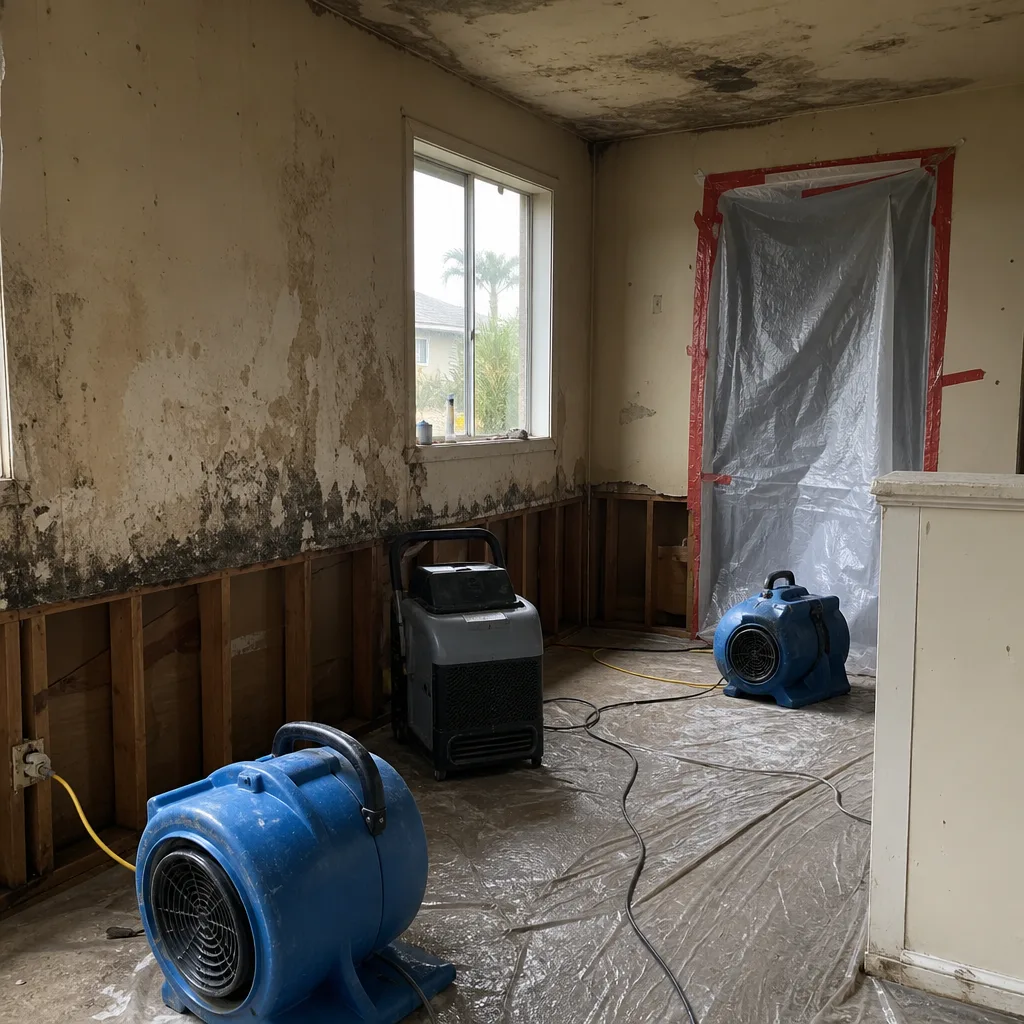 Before
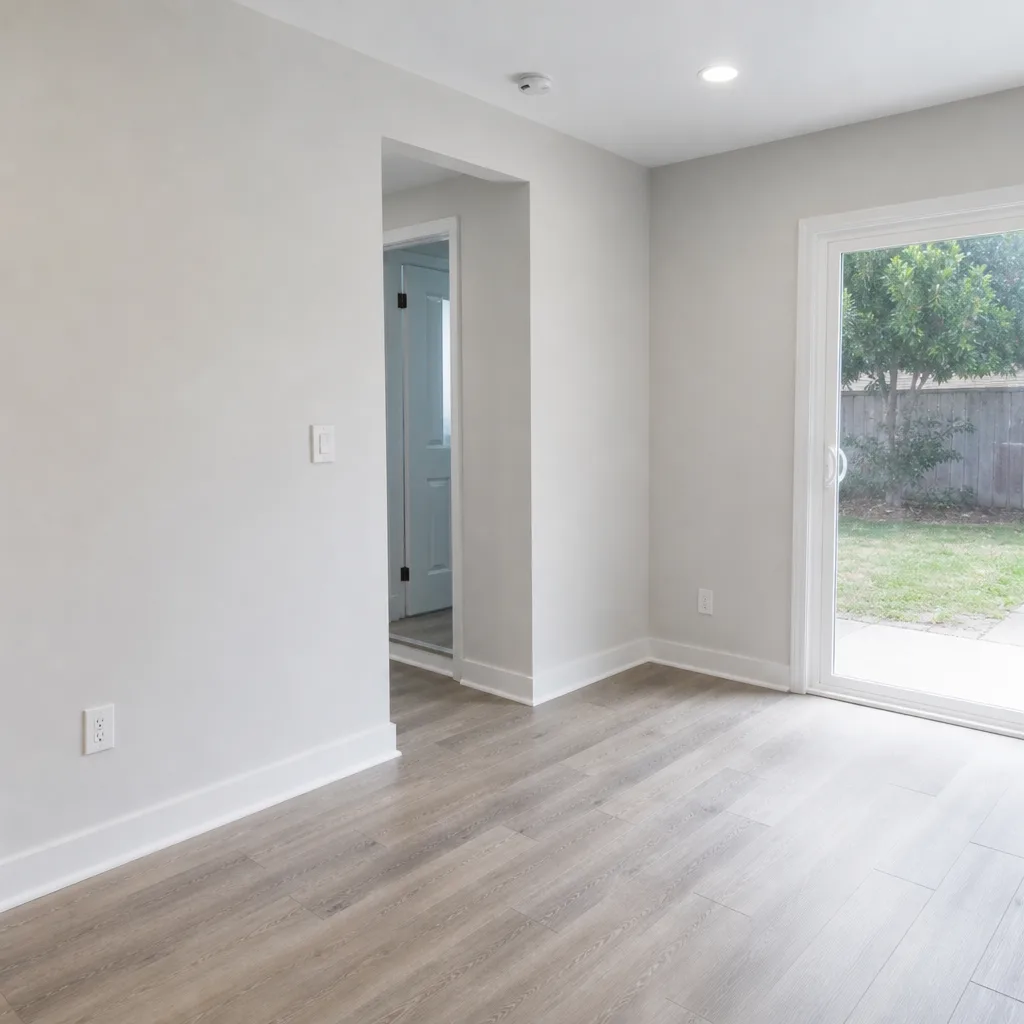 After
After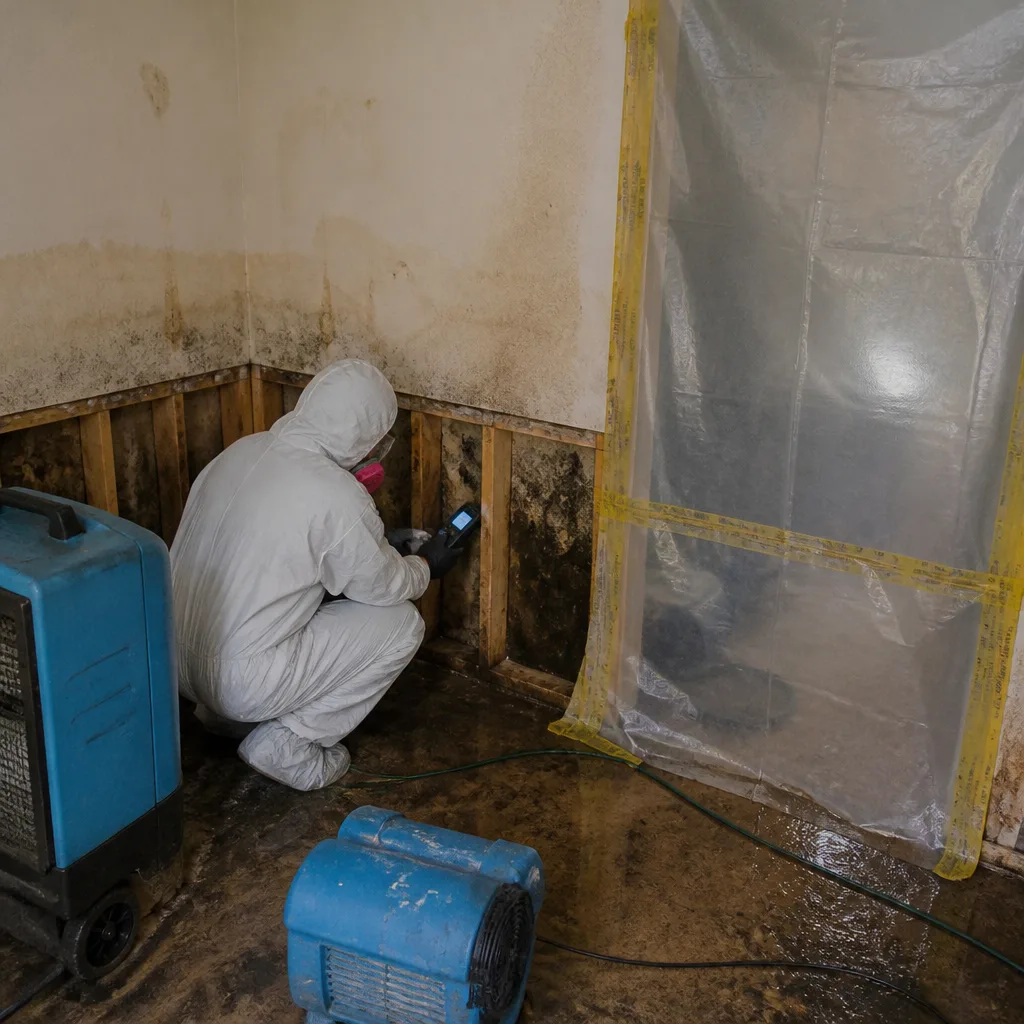 Before
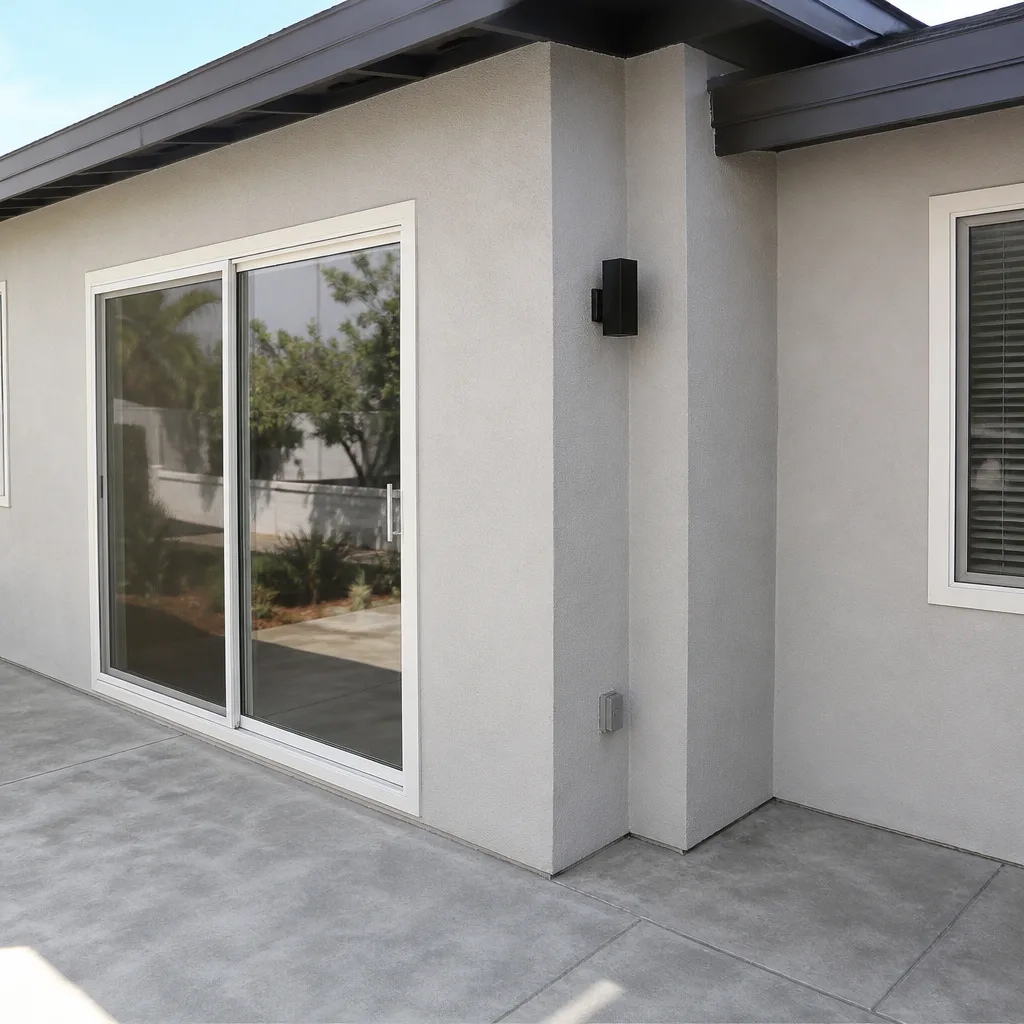 After
After